

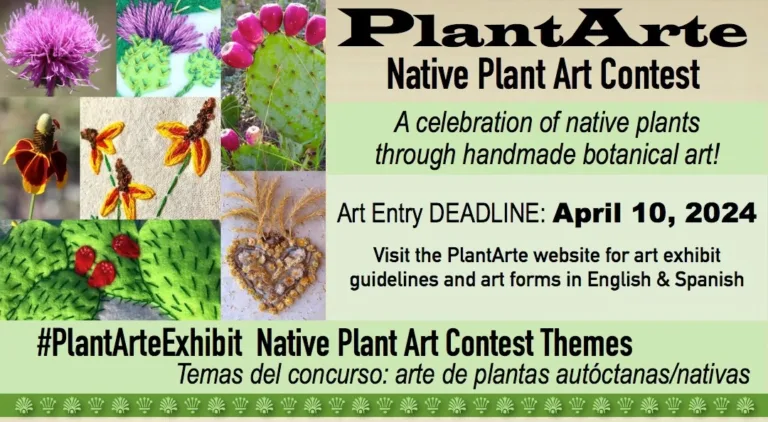
PlantArte Native Plant Art Contest
PlantArte is a celebration of native plants through botanical art, offered by Arte Sana’s Plants & People, Plantas y Gente project and the following partners: Through the PlantArte handmade native plant art contest and online exhibit, participating artists will help raise awareness of the role of native plants in preserving
Restoring My Prairie Home
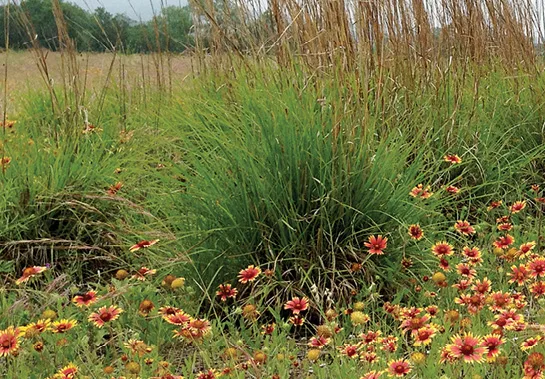
By Jerry Winakur, Fredericksburg Chapter In 1999, my wife and I bought an old, broken-down, overgrazed 100-acre ranch on the Edwards Plateau outside of Comfort, Texas. We named it “Canyon Wren Ranch.” We are at the extreme eastern edge of this bird’s range, but they love the cliff faces along
Art Exhibit at UNT all of February
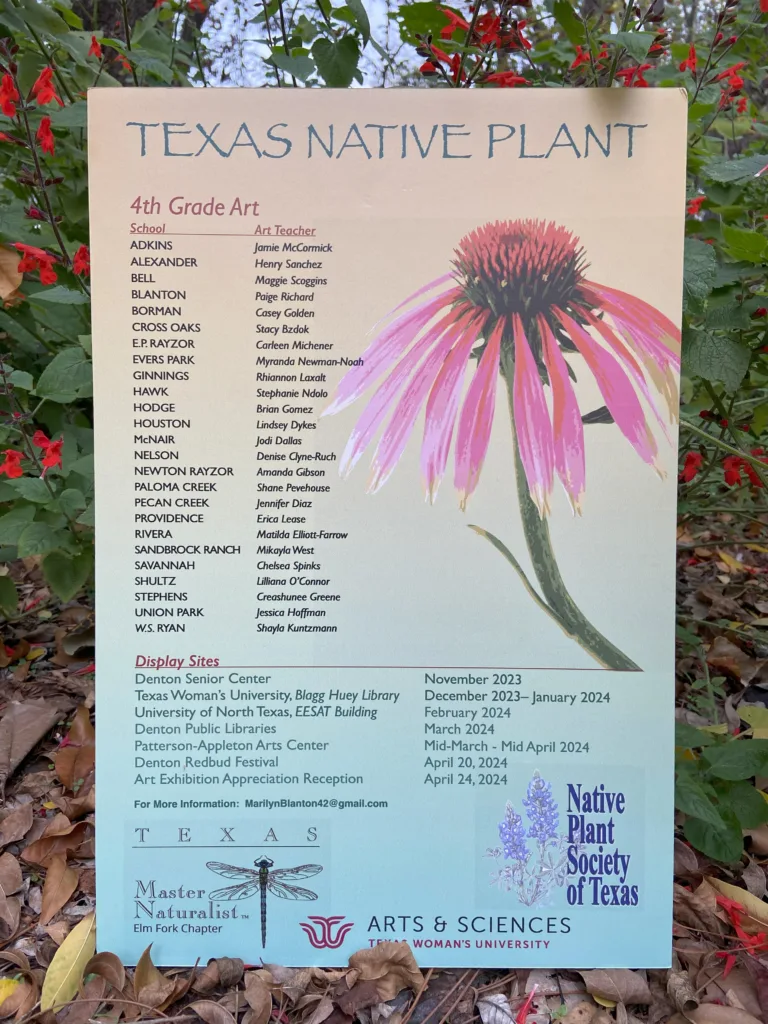
We are letting everyone know that the Texas Native Plant Art Exhibition will be at the UNT Elm Fork Education Center for the month of February. Brian Wheeler, the center’s director, said the display would be ready February 8th. The Elm Fork Education Center is located on the UNT campus
Accepting Applications to Our Wildscapes Grant Program Now thru Feb. 29
We are proud to announce that we have revamped our Wildscapes Grant Program. Funding availability has increased to $2,000 per project, and we are now distributing funding pools twice a year.
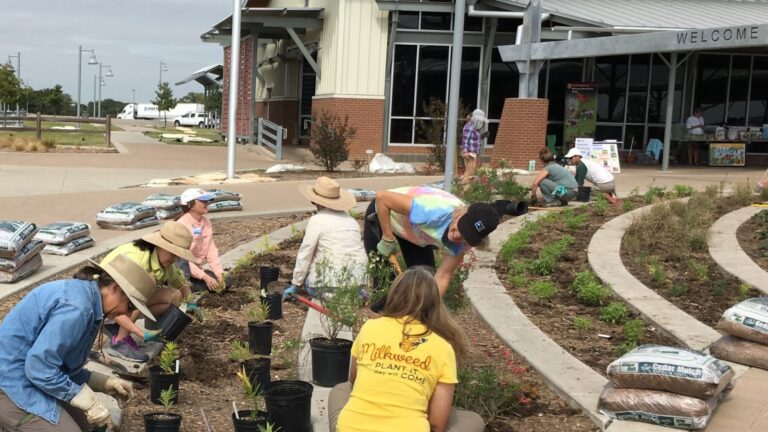
Hill County Rest Area Monarch Waystations
Seeking Volunteers On Saturday February 17 there will be a workday at the Hill County rest area monarch waystations. This effort is part of a NPSOT project to maintain monarch waystations along Interstate 35. We will start on the southbound waystation at 9:00 am. Please come and go as your
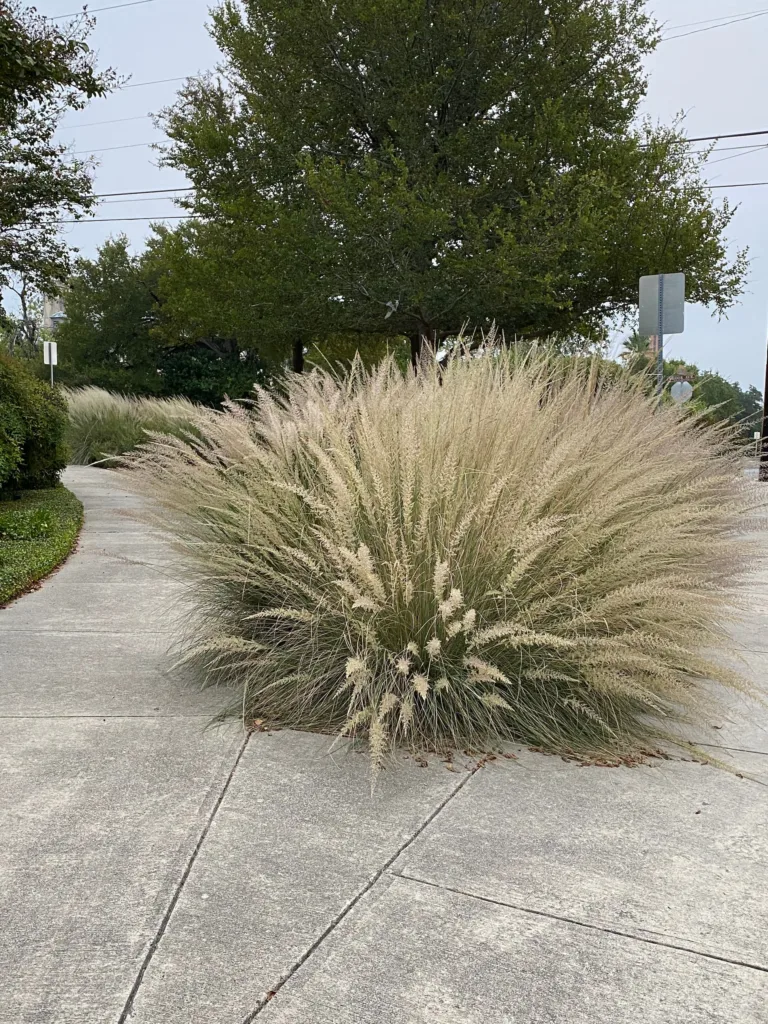

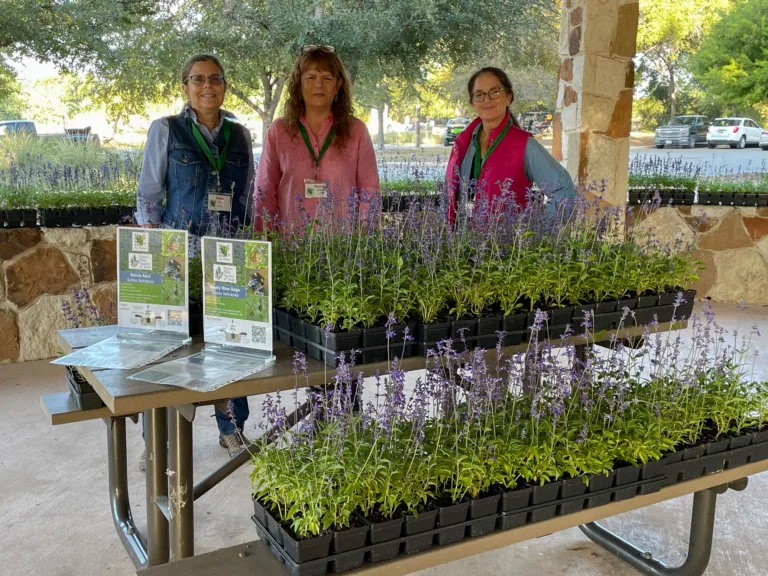
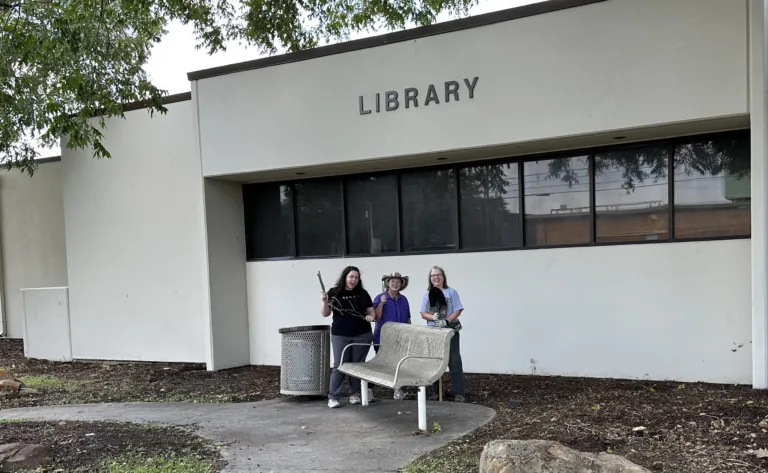
Partnerships Build Pathway to Progress
Demonstration garden volunteers assisted White Settlement in securing a grant from Tarrant Regional Water District to install a rainwater harvesting system next to the library. Extension of the White Settlement Monarch Waystation is planned for this area. Read WATER WISE on page 16 for the complete article. Around The City,
January 2024 Newsletter
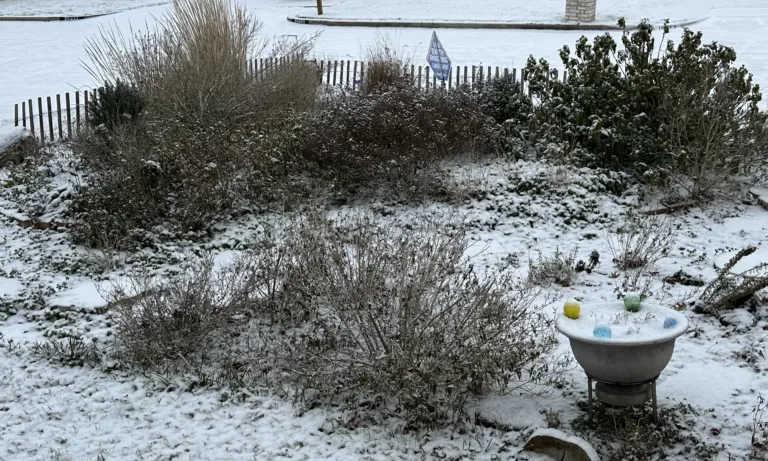
Download Newsletter Avon’s native garden in the snow January 15th
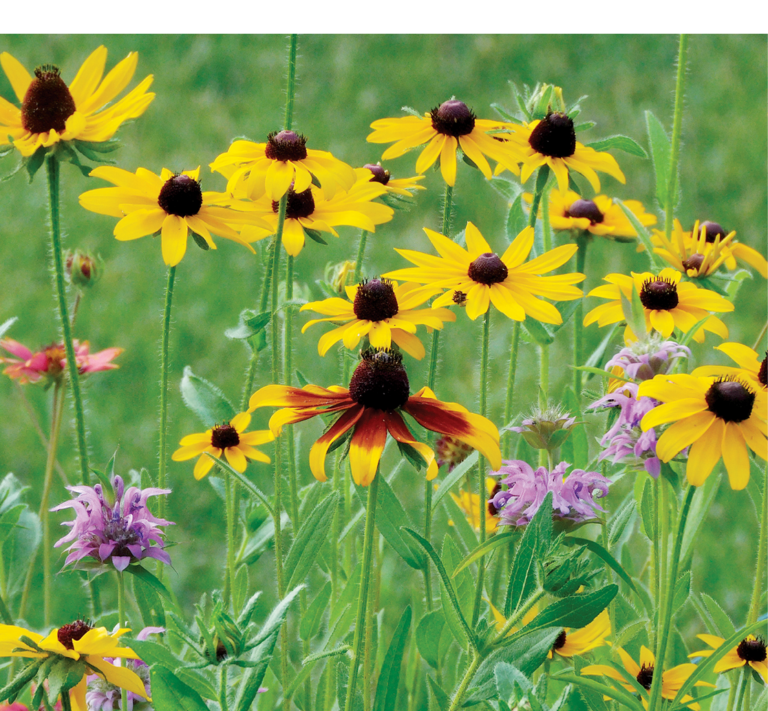
Texas Ecoregions Thrive with Native Plants
Yellow Indian grass (Sorghastrum nutans) is native to a variety of ecoregions in Texas. Brian Heatherington “Native plants give us a sense of where we are in this great land of ours. I want Texas to look like Texas and Vermont to look like Vermont.” – Lady Bird Johnson Texas
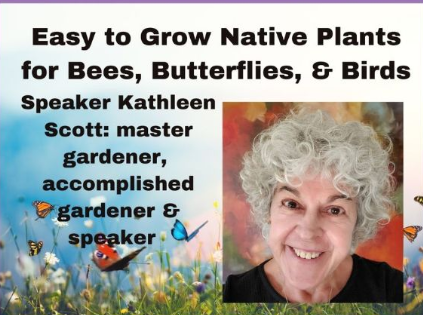
Wildlife Habitat Basics by Kathleen Scott
Jan 2024 by Kathleen Scott
Building a wildlife habitat basics with Native Plants.
