

August 19: Member Garden Tour NPSOT Austin
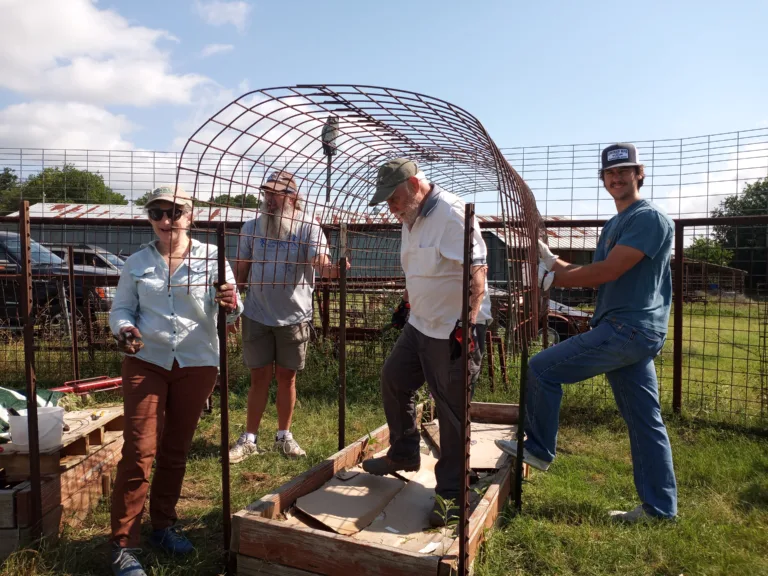
Date: August 19, 2023 Time: 9:00am-11:00am Our host and NPSOT member, Tom Heger, will show us around his undeveloped 6-acre property. We will have a chance to see some areas where he is working on restoration plantings. Click on this link to the plant list if you would like to
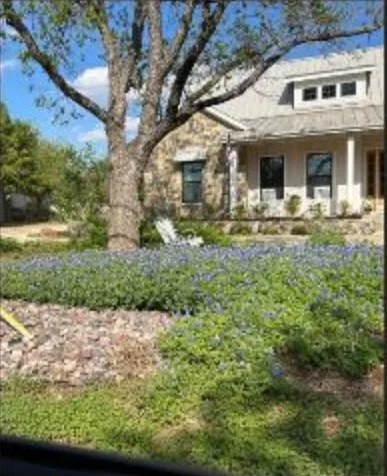
Eric Strickland presents: a transformation of a landscape into a paradise of native plants
View YouTube video: https://youtu.be/wblZ-SfpvHg

You Are What You Eat – Dining from a Bee’s Perspective
July 2023 Presentation by Mark De KiewietYou Are What You Eat – Dining from a Bee’s Perspective Mr. de Kiewiet will discuss his practice keeping feral bees “back to how nature intended” speaking about the advantage of native plants, climate challenges, impact of food on bees, and the impact of

Native Plants that attract Hummingbirds
A list of native plants that attract hummingbirds.

Native Plants that attract Butterflies
A list of native plants that attract butterflies.
Minutes
Twelve members attended the South Texas NPSOT meeting, held at the La Retama library in Corpus Christi at 10 AM on Saturday, 27 May, 2023. The meeting was called to order at 10:08 by Vice-President Karen Easton in the absence of President Katie Swanson. Ray Kirkwood moved that we accept
NPSOT Dallas June 19, 2023 meeting
TOPIC: Texas Tough Natives for Droughts and Floods: Texas weather is notorious for changing rapidly and going to extremes. What’s your best bet for a home landscape that can withstand those extremes? Resilient Texas native plants that are already adapted to Texas’ extremes can help keep your yard looking great–whatever
