

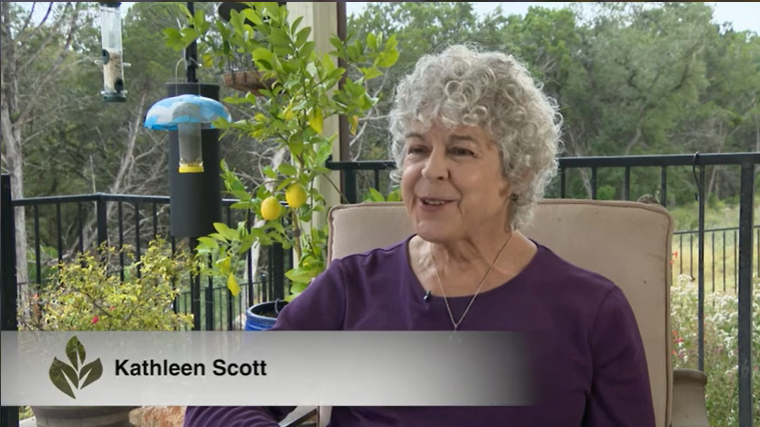
Kathleen Scott on Central Texas Gardener
Our own Kathleen Scott was interviewed by Central Texas Gardener. Native Plant Garden from Scratch in a strict HOA.
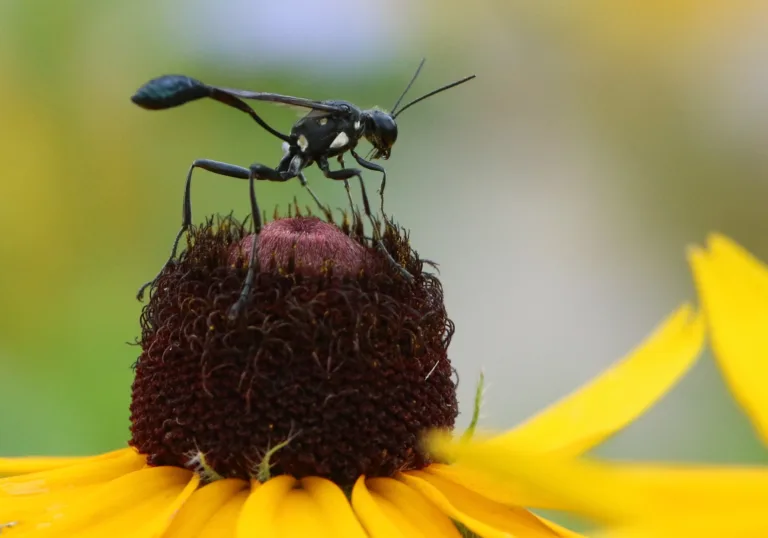
It’s Contest Time: Here’s the Submission Information!
It’s contest time: show off your talent in our photo, video, and newsletter contests!
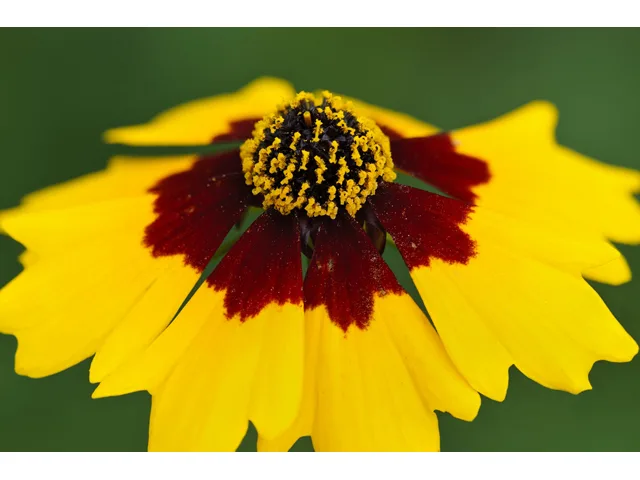
Plant of the Month June 2023 – Coreopsis tinctoria
Plains coreopsis, also known as goldenwave, is a common wildflower across the state.
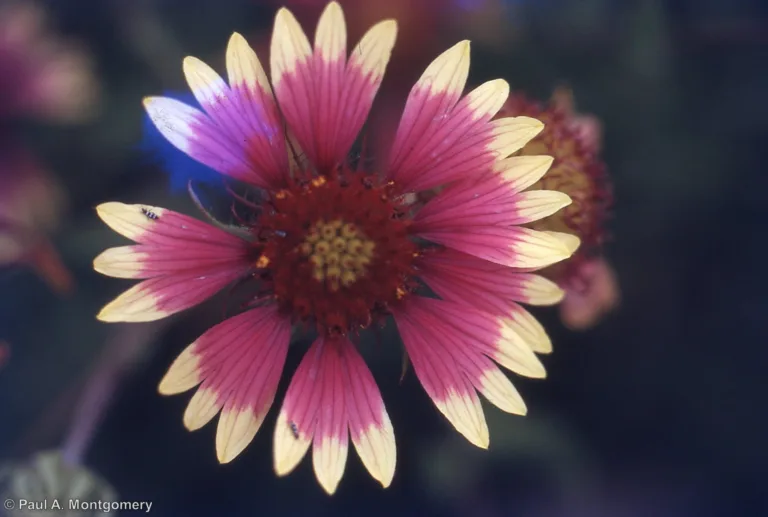
June 2023 Plants of the Month
These plants really shine in June as the sun starts heating up Click for more details Blanket Flower Skeleton Leaf Goldeneye Rock Rose Inland Sea Oats Horsemint Pearl Milkweed Vine
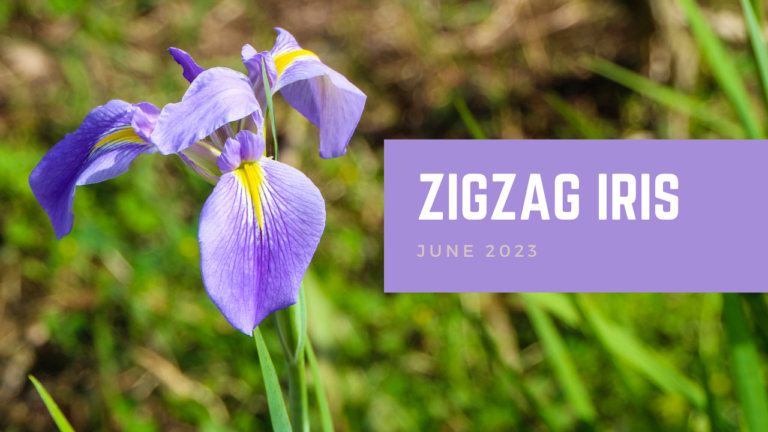
Plant of the Month: Zigzag Iris
Our plant of the month for June 2023 is Zigzag Iris, a hardy perennial.
Botanical name: Iris brevicaulis
Common name(s): Zigzag Iris, Leafy Blue Flag

Chapter Meeting: The Fibonacci Sequence in Nature and Native Plants
This presentation explained the origins of the Fibonacci sequence, which can be found in our everyday experiences, and hopes to inspire viewers to have a greater appreciation for geometry, nature, and native plants.
June 27, 2023 – Chapter Meeting with “Pollinators and Native Plants – What it means for our future” by Ricky Linex
What: Chapter Business Meeting followed by Educational Presentation When: June 27, 2023 at 6 p.m. Where: Mount Pleasant Historical School, 213 Raymond George Way, Weatherford TX 76086 Please join us for a short business meeting. Are you trying to select the best pollinator plants for your landscape? Join
President’s Letter – June 2023
The June 2023 President’s Letter has been published. Be sure to add all of the upcoming events listed to your calendar!
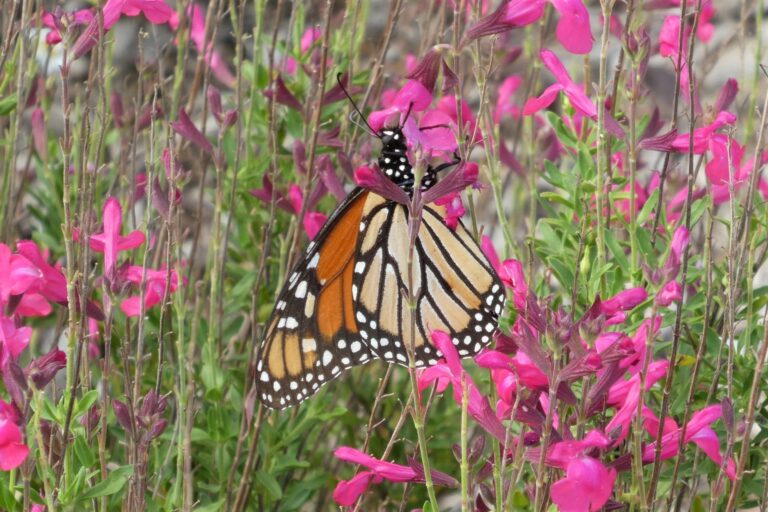
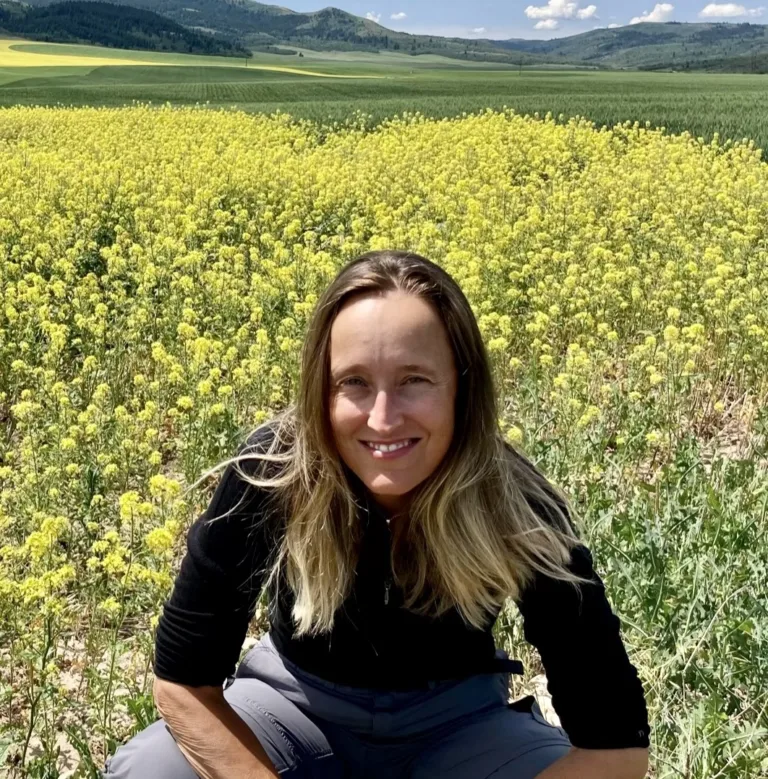
Butterfly Gardening with Elizabeth White Olsen
In this presentation, we will learn what butterflies need to survive and complete their life cycle, as well as ways we can help them in our own yards.
Crossroads of the Eclipses: How Plants and Dark Skies are Connected in the Texas Hill Country
The total solar eclipse’s path of totality passes through the rolling terrain of the Hill Country. “We are excited to have Ms. Davies join us for our June 27 meeting to share her insights on dark skies, the upcoming eclipses, and how plants might be affected,” said Deborah Simmons, President, Fredericksburg Chapter of NPSOT. “We hope the public will come join us to learn more and bring their questions.”
