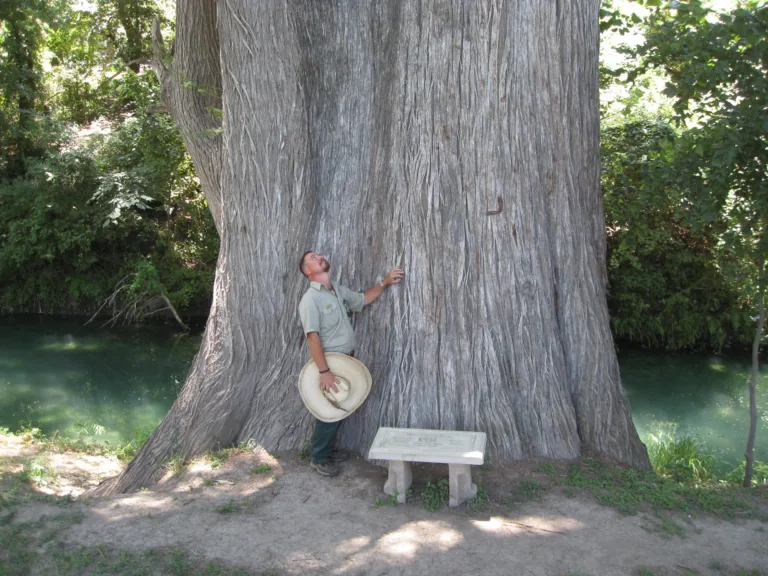
Update: How to Plant a Tree with Robert Edmonson
Written information from Robert Edmonson’s presentation was unavailable the night of the chapter meeting. Links for “Native Trees of the Edwards Plateau” and “How to plant a Tree” are available now.
Congratulations to our 2023 Undergraduate Scholarship Recipients
The Native Plant Society of Texas State Board Education Committee is excited to announce our 2023 Undergraduate Scholarship Recipients.
June Chapter Pot Luck Dinner – Tuesday June 6, 2023, — –DUPLICATE
June Chapter Pot Luck Dinner – Tuesday June 6, 2023, Cibolo Nature Center Auditorium, 6:00pm Come celebrate summer at our June Is Busting Out All Over Pot Luck Dinner. Now is your chance to exhibit your culinary skills. Members bring an entree, side dish, salad or dessert, as well as
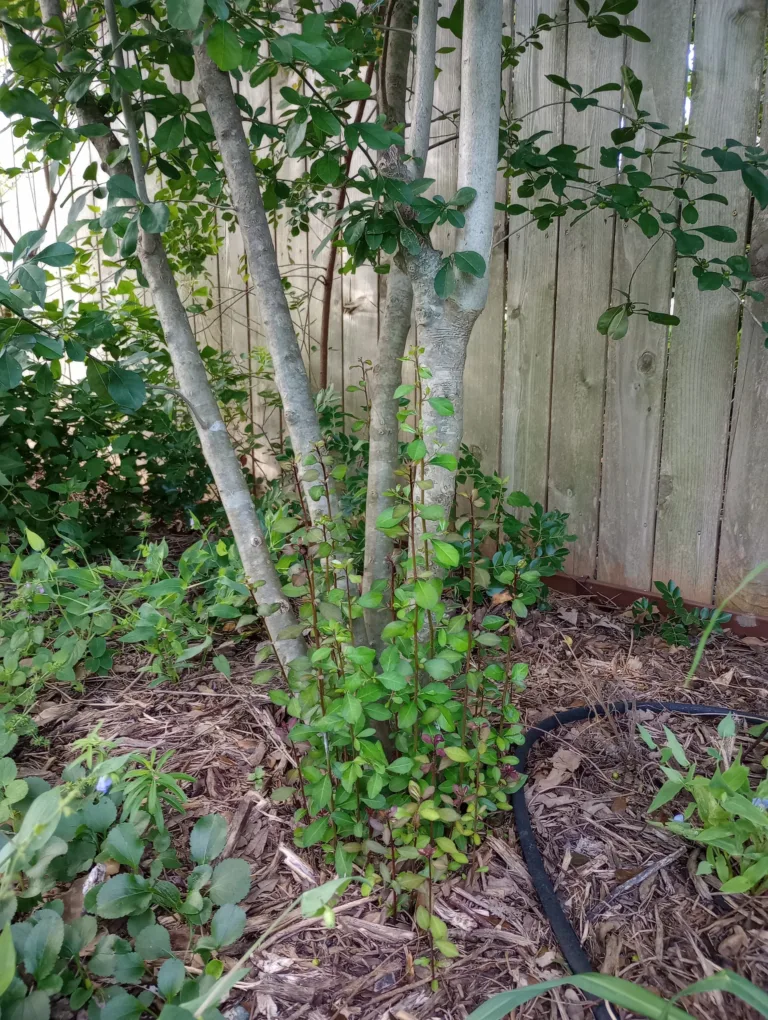
Gardening Tips, Hints and Hacks June 2023
If you’ve been gardening for any amount of time, you have probably discovered practical gardening practices that work for you here in Central Texas. We’d love for you to share them with us! In coming newsletters, we’ll select and share one or two submissions.
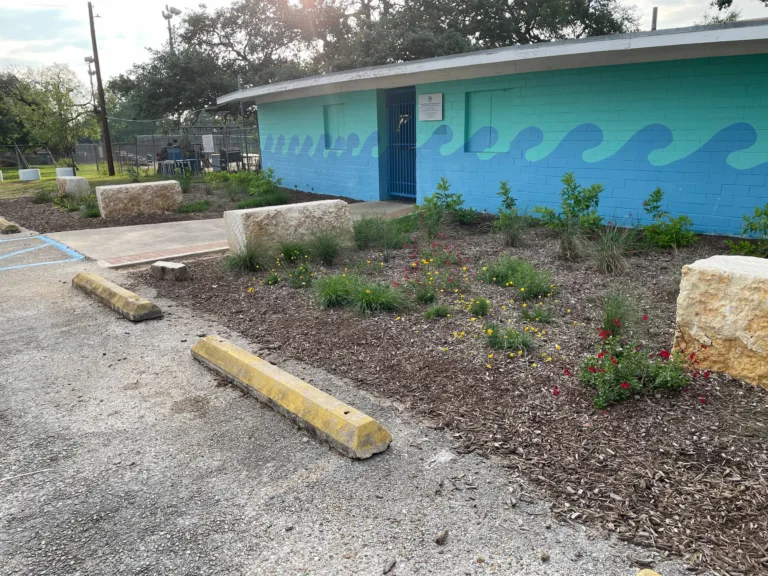
Harmony Hills Cabana Club Native Plant Garden
The San Antonio Chapter of the Native Plant society provided a grant to NPSOT members Ellen Hagan and Teresa Maslonka in 2022 to purchase plants for a native plant demonstration garden at the Harmony Hills Cabana Club.
Rare Plant Conservation Programs at SABOT
Michael Eason from San Antonio Botanical Garden discusses the programs they have to conserve rare plants.
Native Plant Sale
The Native Plant Society of Texas’ Spring Plant Sale was a roaring success. Our thanks to Carol Morrow at Forever West Texas Realty for lending us her “back yard,” to all the NPSOT members whose volunteer hours set up and sold beautiful native plants. And to our customers, whose gardens
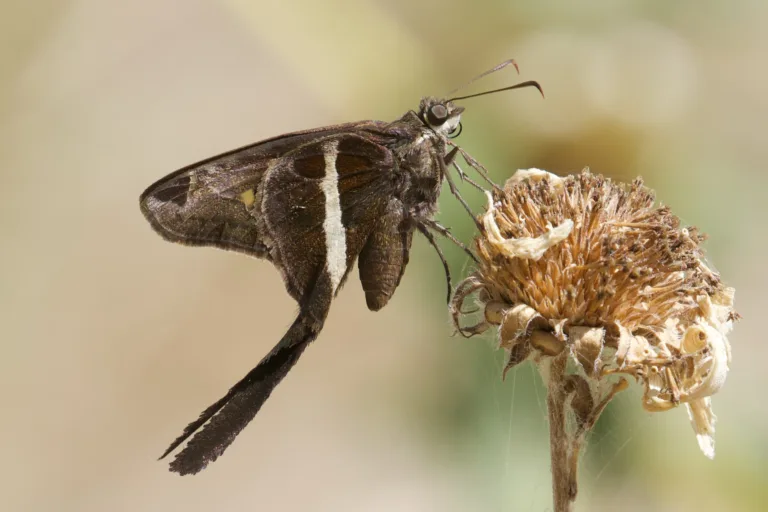
Butterflies of Bexar County
June 2023 Presentation by Zachary Tonzetich Butterflies of Bexar County Zachary Tonzetich will discuss some of the basics about how to get started in butterfly watching, describe some identification tips, and share photographs of his personal experiences finding butterflies in Bexar County and some of the native plants that serve
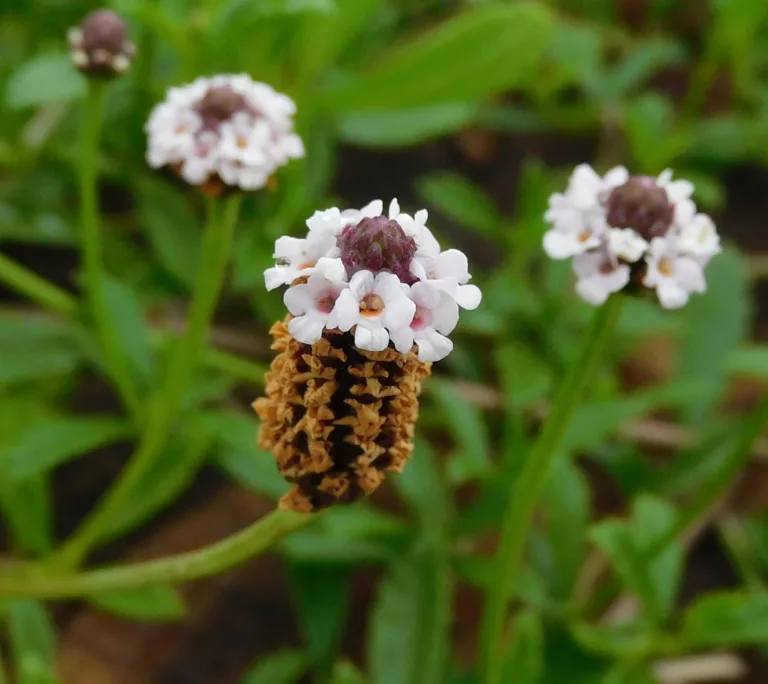
NICE Summer Plant of the Season
Frogfruit: Flowering Groundcover and Butterfly Caterpillar Host Frogfruit, Phyla nodiflora (Lippia nodiflora), also called Texas Frogfruit, or Sawtooth Frogfruit, is a member of the verbena family. Frogfruit is a rapid grower and an excellent long-lived perennial groundcover. It can be used as a lawn substitute in areas that receive only
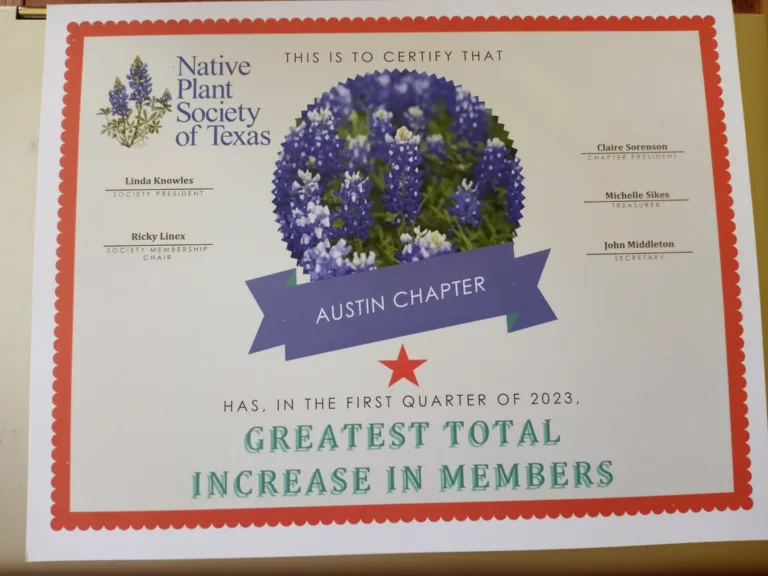
NPSOT Chapter Membership Contest Award
NPSOT AUSTIN #1 Go Team Austin We just received this in the mail and I wanted to share it with everyone. Congratulations to all of our hard working officers and committee members.
How to Plant and Care for Trees – May 23 Fredericksburg chapter meeting
The May 23rd speaker, Robert Edmonson a Texas A&M Forest Service Biologist,
addressed his favorite subject: TREES
His presentation outlined the importnce of finding the right tree for the right place and how to plant one properly.