Category: Magazine

Magazine

Fall 2025 Member Magazine

President’s Message | Executive Update | Celebrating Leadership | Curb Appeal with a Cause | Grant Recipients | Autumn’s Perfect Pairing | Native Plant Database | Sustainable Landscaping | Winterizing Tips

Magazine

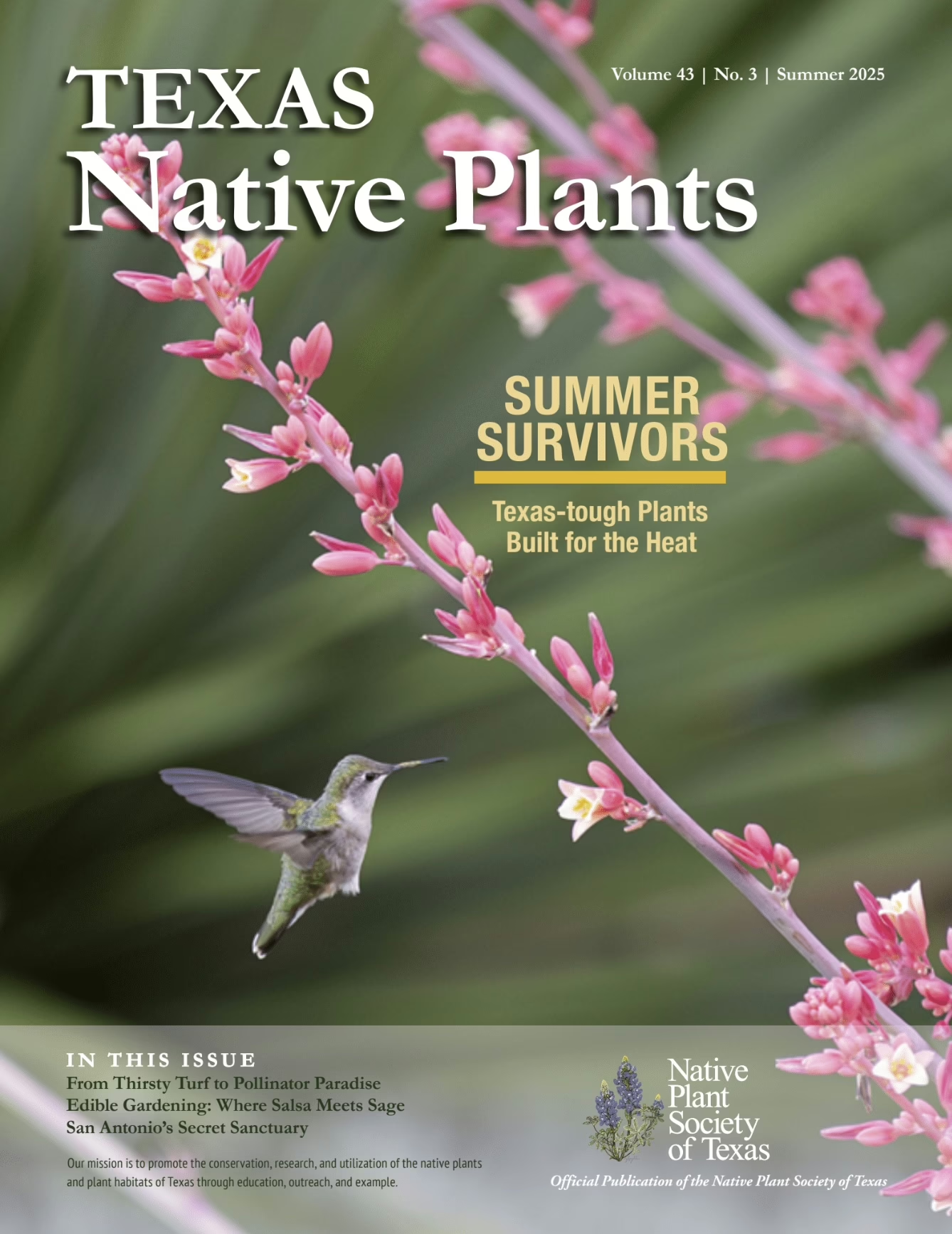
Summer 2025 Member Magazine

Executive Summary | Resilience in Bloom | Suburban Sanctuary | Texas-tough Summer Survivors | Where Salsa Meets Sage | A Rain Garden Grows | Member News | Smart Watering

Magazine

Spring 2025 Member Magazine

Executive Summary | Blooming with Possibility | Wildflower Waltz | Native Grasses | Member News | Texas Wildflower Day

Magazine

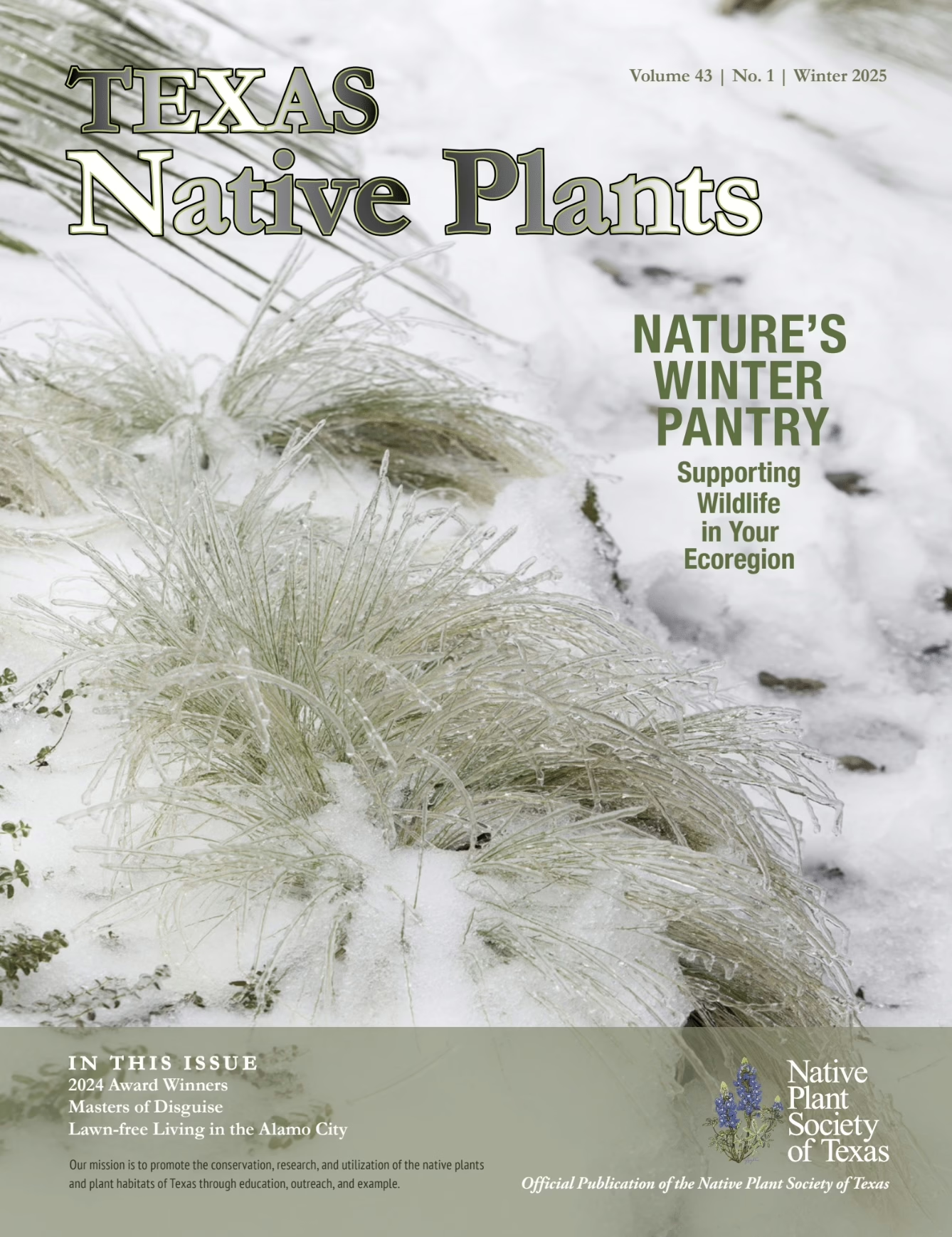
Winter 2025 Member Magazine

Executive Summary | 2024 Society Awards | Nature’s Winter Pantry | Native Plants at TWU | Lawn-free Living |Masters of Disguise | Member News

Magazine

Fall 2024 Member Magazine

Executive Director’s Message | President’s Message | Fall Symposium Recap | Top Picks for Fall Foliage | Creating a Wildlife Habitat | Exceptional Native Plants | Plateau Meets Prairie | Member News

Magazine

Summer 2024 Member Magazine

Tips for Working with Your HOA | Lawn-Free Living – The Art of Natural Landscaping | Creating Sanctuary In A Serene Woodland Retreat | From Urban Lawn To Natural Habitat | From Ashes And Flames, A Wildlife Haven Comes Alive | Your Favorite Flora Revealed | Musings On Starting Two Society Chapters | Rio Grande Valley Chapter to Manage Native Plant Center | Transforming Urban Spaces With Native Garden | The Hidden Perks of Native Plants in Cities | Transform Eyesores Into Micro Meadows With Native Plants

Magazine

Spring 2024 Member Magazine

A Spring to Remember | Welcoming Spring with Open Arms | 2023 Ann Miller Gonzalez Research Grant Recipients | Wet and Wild: Diving into the Underworld of Aquatic Plants | Hidden Gems: Unique Landscaping Options | Your Favorite Flora Revealed | Inviting the Prairie Into Your Home Landscape | Remembering “Mr. Bluebonnet” | Spreading the Monarch Mission | Gardening with a Purpose | Save Time Landscape Planning This Spring

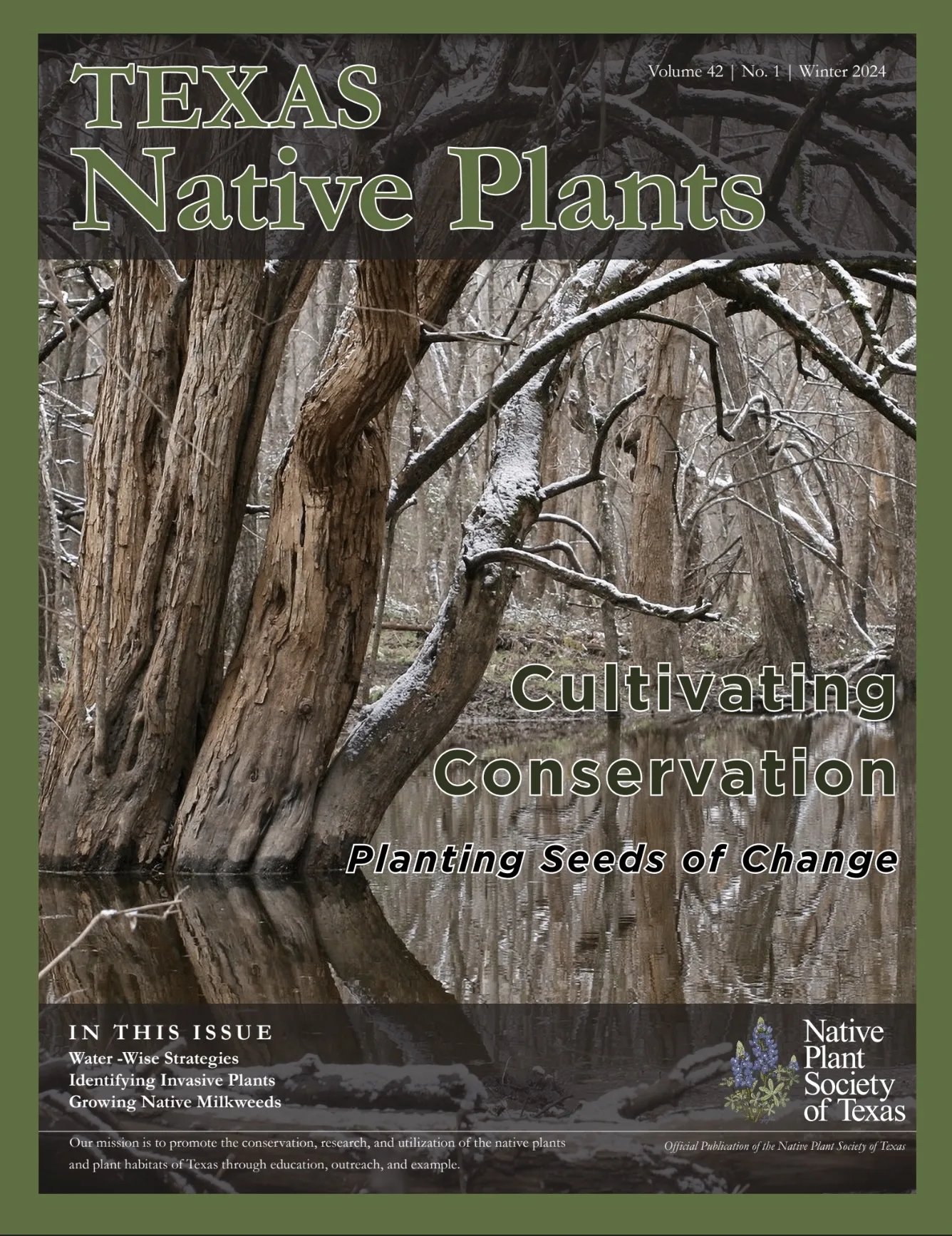
Cultivating conservation, planting seeds of change. Winter 2024 member magazine cover page
Magazine

Winter 2024 Member Magazine

From Pines to Petals: Exploring the Pineywoods | 2023 Society Award Recipients | No-Freeze Trees | Water-Wise Strategies | Conservation Champions | Power Plants for Pollinators | Using the Invasive Plant Database | Coming Soon: More Native Milkweed! | Native Gardens are For the Birds | Native Plants Thriving in Town Hall | Promoting Native Milkweeds | Engaging the Next Generation | Native Plant Student Art Showcased | If You Know What to Look For

Magazine

Fall 2023 Member Magazine

Texas really IS like a whole ‘nother country. Its sheer size, variety of terrain, and biological diversity is staggering. The great Lone Star state contains barrier islands and coastal lowlands, large river floodplain forests, rolling plains and plateaus, forested hills, deserts, and a wide variety of aquatic habitats.

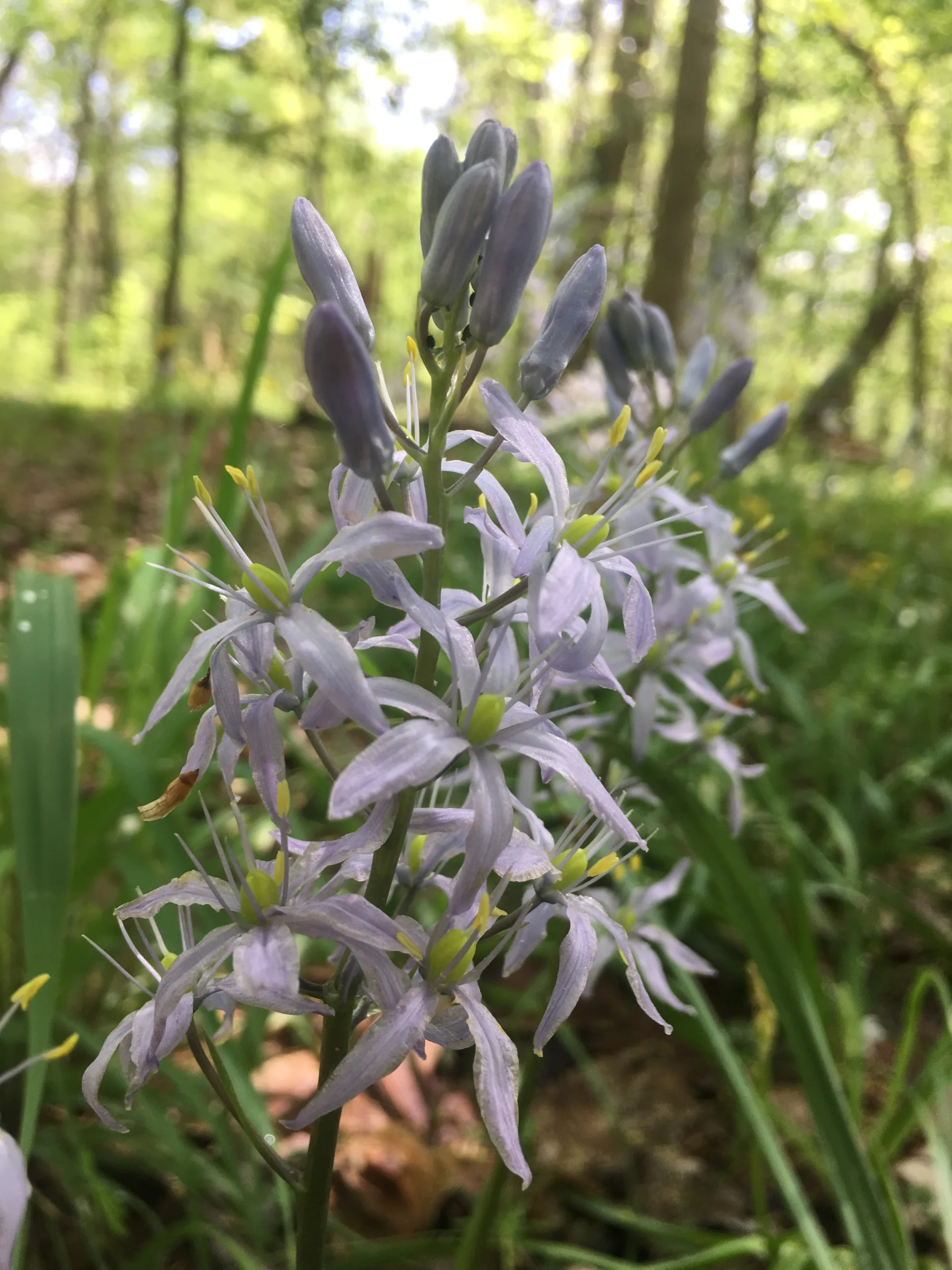
Forest undergrowth, flower with purple blooms.
Magazine

Summer 2023 Member Magazine

Our mission is to promote the conservation, research, and utilization of the native plants and plant habitats of Texas through education, outreach, and example.

About the Region

Fall Symposium 2025 Logo - Teach for the Future

Salado, the location of our Fall 2025 Symposium, lies at the intersection of two ecoregions: the Edwards Plateau (Limestone Cut Plain) and Blackland Prairie (Northern Blackland Prairie).

The Edwards Plateau area is also called the Hill Country; however, this general term covers a much larger area extending farther north. Spring-fed creeks are found throughout the region; deep limestone canyons, rivers, and lakes (reservoirs) are common. Ashe juniper is perhaps the most common woody species found throughout the region. Additional woody species include various species of oak, with live oak (Quercus fusiformis) being the most common. Sycamores (Platanus occidentalis) and bald cypress (Taxodium distichum) border waterways. This area is well known for its spring wildflower displays, though they may be viewed in spring, late summer, and fall, as well. According to Texas Parks and Wildlife, average annual rainfall in the Edwards Plateau ranges from 15 to 34 inches.

The Blackland Prairie extends from the Red River south to San Antonio, bordered on the west by the Edwards Plateau and the Cross Timbers, and on the east by the Post Oak Savannah. Annual rainfall averages 30 to 40 inches, with higher averages to the east. This region is dominated by prairie species. The most common grass species include little bluestem (Schizachyrium scoparium) and Indian grass (Sorghastrum nutans) in the uplands and switchgrass (Panicum virgatum) in the riparian areas and drainages. Common herbaceous flowering plants include salvias, penstemons, and silphiums. This area has suffered greatly from overgrazing and agricultural use. Few intact areas remain, though many of the plants can be found along county roadsides throughout the region.

Our fall Symposium host chapter, the Tonkawa Chapter, includes both of these ecoregions.

Source: Wildflowers of Texas by Michael Eason