By Lindsey Townsend, Tyler Chapter
Climate change with rising temperatures and droughts. Invasive species that compete with native plants for resources. Coastal erosion and rising sea levels. They can all make it difficult for native plants to thrive–and they’re all part of a larger group of environmental concerns in Texas. According to the Texas Parks & Wildlife Department (TPWD), our state’s top conservation threats include:
- Habitat loss and fragmentation
- Changing demands on land resources
- Non-native plant and animal species that cause harm
- Overgrazing and fire suppression
- Reduced water quality and quantity
Regardless of their specific mission, the hundreds of conservation champions in Texas share some common goals: a commitment to preserving biodiversity and natural resources; a focus on sustainability and resource management; a passion for promoting public awareness about environmental issues; and a recognition of the need for collaboration and partnership to achieve their goals.
“Our challenges are the same as what other conservation organizations are seeing: land fragmentation and growing populations that increase the ever-demanding strain on natural resources, which all creates a constant need for education, outreach, and technical guidance,” said Michelle M. Haggerty, the Statewide Coordinator for the Texas Master Naturalist Program at Texas Parks and Wildlife Department (TPWD).
While there are more environmental issues to tackle than ever, there are also endless opportunities to get involved and help make a difference. For example, at the volunteer-led Texas Master Naturalist Program, participants receive in-depth training on various aspects of natural resource management, including native habitats and plants. The program is coordinated jointly by TPWD and the Texas A&M AgriLife Extension Service.
It’s not just large state agencies effecting meaningful change, though. The Cibolo Center for Conservation in Boerne, Texas was started in 1988 by Carolyn Chipman-Evans, her husband Brent, and a handful of friends who wanted to clean up a creek. Today it serves as an award-winning model for conservation, land stewardship, and outdoor learning, offering nature education programs, community gardens, and research projects for flora, fauna, and native Texas plants. What was once a small grassroots organization now serves more than 100,000 children, adults, and families per year.
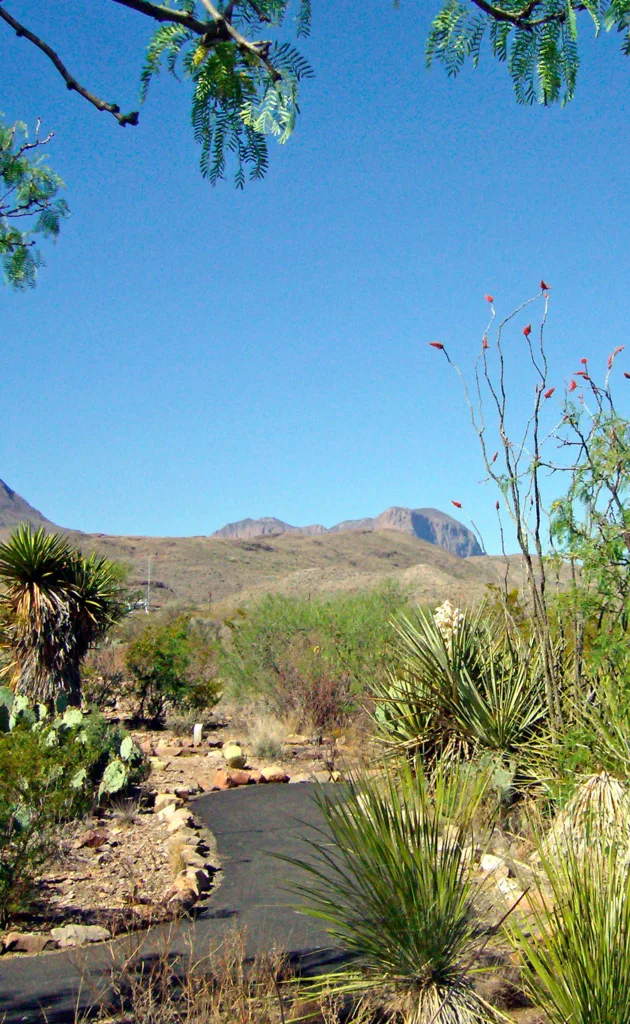
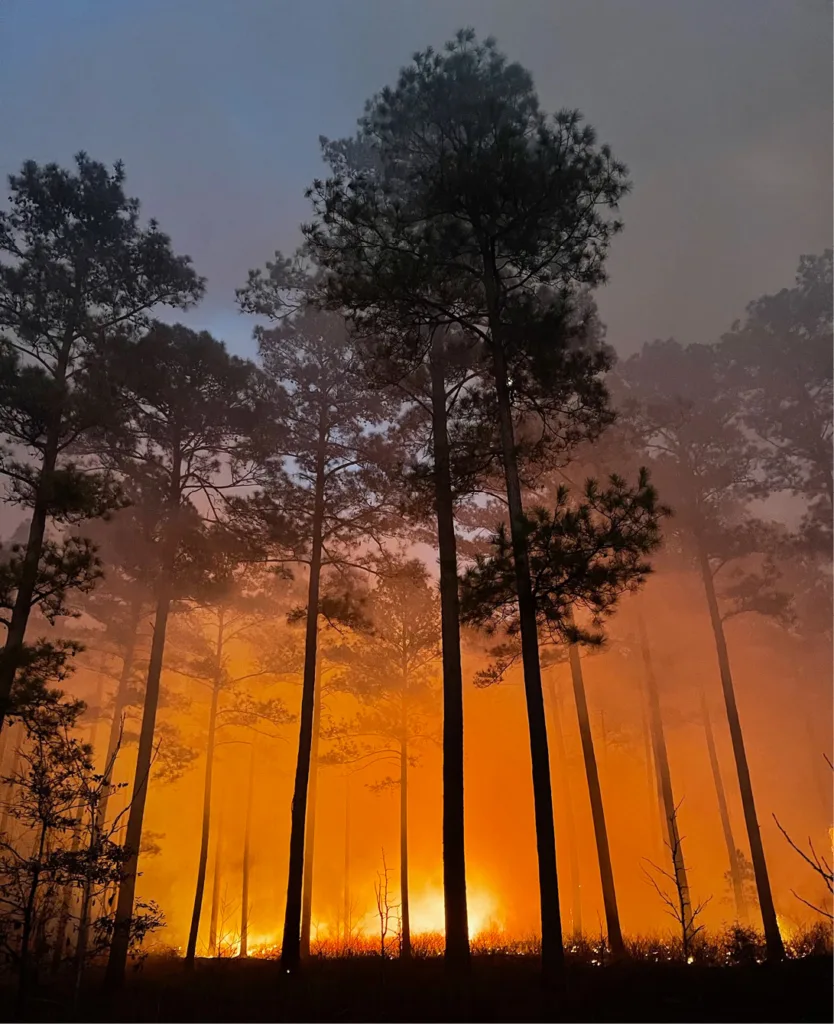
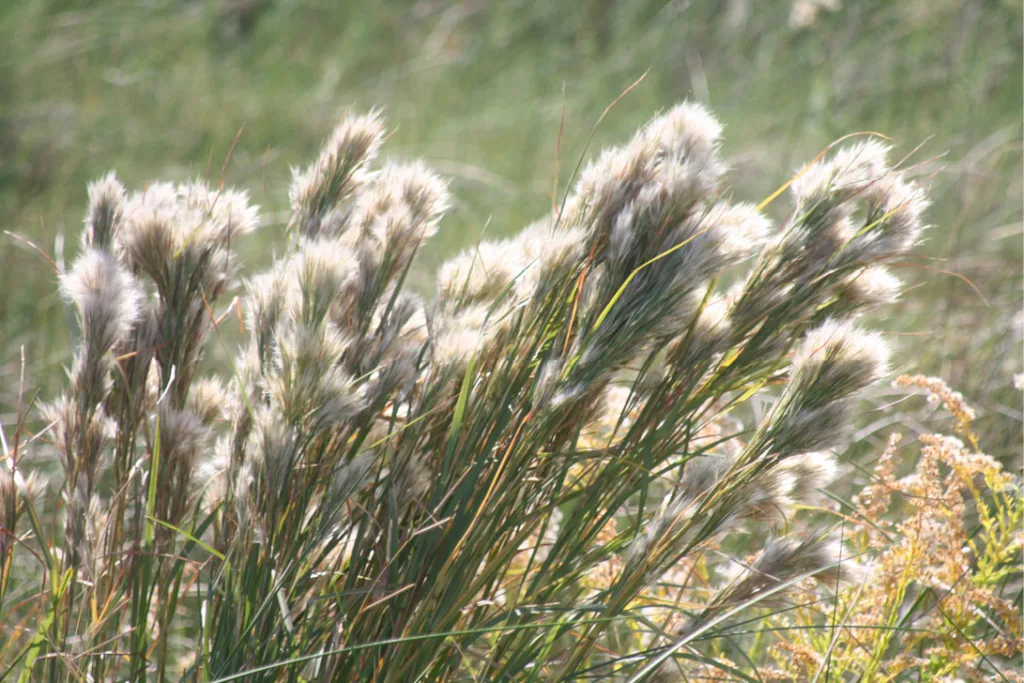
Meanwhile, at the Native Prairies Association of Texas (NPAT), the focus is on grasslands: the most endangered habitat on earth. Of the 26.5 million acres of tallgrass and coastal prairies in Texas that existed prior to European settlement, less than 1% remains. NPAT acquires and protects prairie acreage, initiates restoration projects, and holds regular educational sessions to raise awareness about the importance of prairie ecosystems. It also offers volunteer opportunities such as prairie seed collection, habitat restoration, and land stewardship.
Founded by Lady Bird Johnson and Helen Hayes, the famed Lady Bird Johnson Wildflower Center has evolved from a private nonprofit narrowly focused on Texas wildflowers into a major botanic garden and research unit at the University of Texas at Austin. The Center promotes its mission of native plant conservation through its sustainable gardens, education and outreach programs, and research projects. Its 284 acres are a mix of cultivated gardens, an arboretum, managed natural areas, and wildlands that straddle the Edwards Plateau and Texas Blackland Prairies ecoregions.
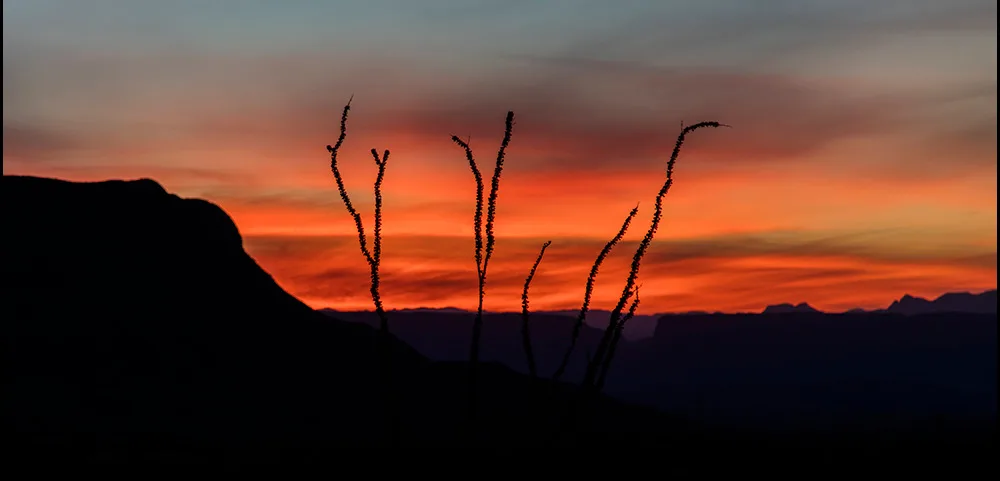
Another seminal organization that casts a wide net for conservation collaboration is Texan by Nature (TxN), founded by Mrs. Laura Bush in 2011. It brings conservation and business together by developing partnerships with 140+ conservation across Texas to advance conservation that’s beneficial to people, prosperity, and natural resources. Its mission is to activate new investments in conservation, amplify and accelerate innovations, and connect partners to the resources they need to succeed.
These organizations–and hundreds more–are doing the critical environmental work needed to ensure the long-term survival of both the natural world in Texas and its ever-growing population. For a comprehensive listing and more information on their activities and volunteer opportunities, please visit http://eco-usa.net/orgs/tx.shtml
Did you like this article? It’s from our Winter 2024 Texas Native Plants magazine. Read more here