Clear Lake Chapter

Fall Plant Sale on October 5

Join us for our Fall Plant Sale on October 5, 2024, at the UH-Clear Lake campus! Get ready to shop our selection of native plants—here’s all the important info you’ll need.

Schedule

Tree & Shrub Pre-order: August 8 – 23
ClosedTree & shrub pre-order pick up at the in-person plant sale, Oct 5.
Plant Sale: Saturday, October 5
8 – 11 a.m.Plant sale open to the public. Pre-order pick up.

Don’t forget to bring your wagon or cart to carry your finds! We accept credit cards and cash.

Plant Prices

Prices range from $4 to $25. Look for signs throughout the sale for pricing information.

We will also have Debra’s handmade soaps for $5! And a discount table with all items priced at $2.

Raffle - Cash Only

Enter for a chance to win a wren house! Tickets are $2 (cash only). This is perfect for enhancing your backyard habitat and welcoming native wildlife into your garden.

Yard Signs

Spruce up your garden with a yard sign! Show off your commitment to native plants and pollinators with these options:

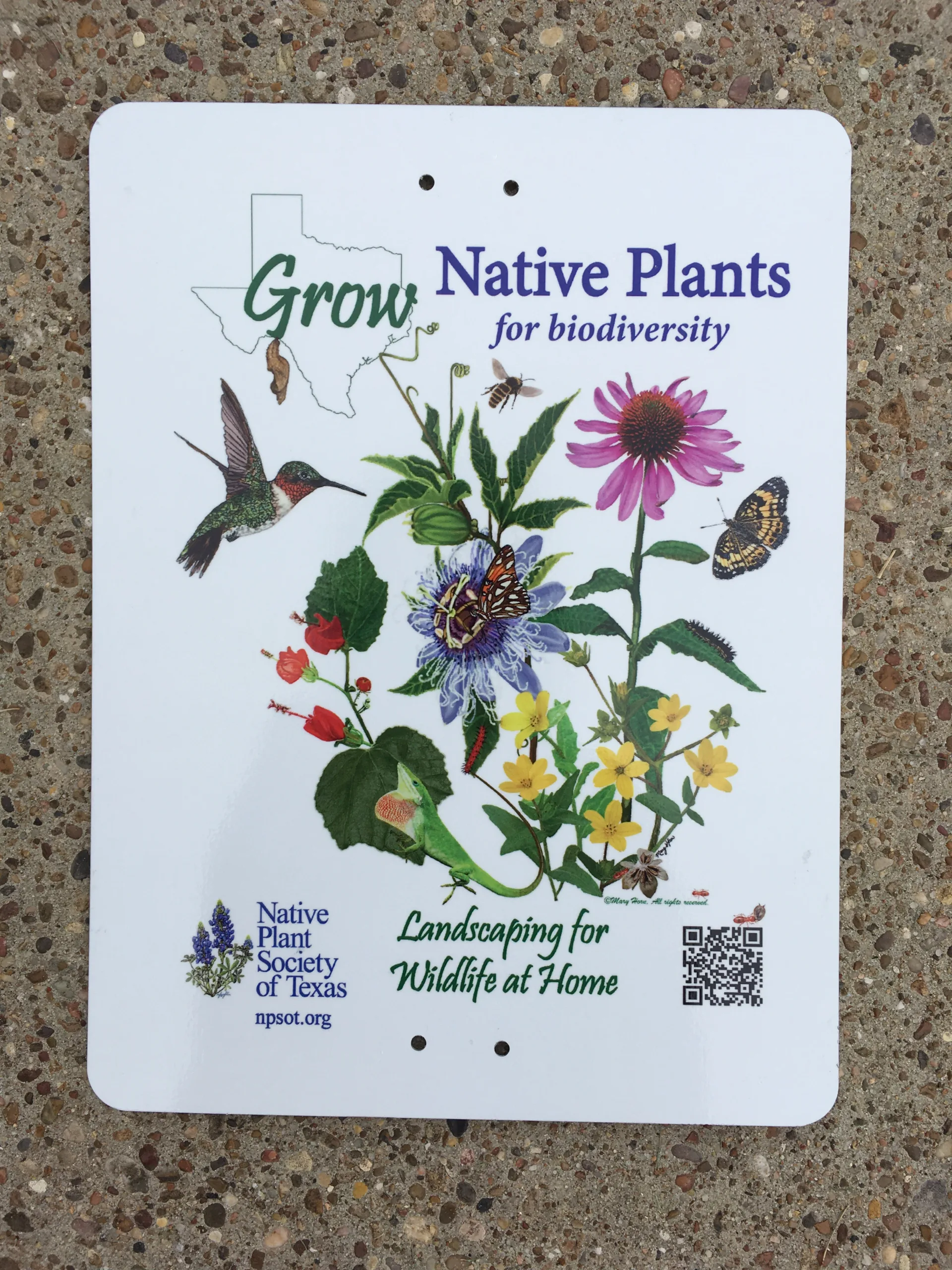
  •  Biodiversity Sign (English): $25
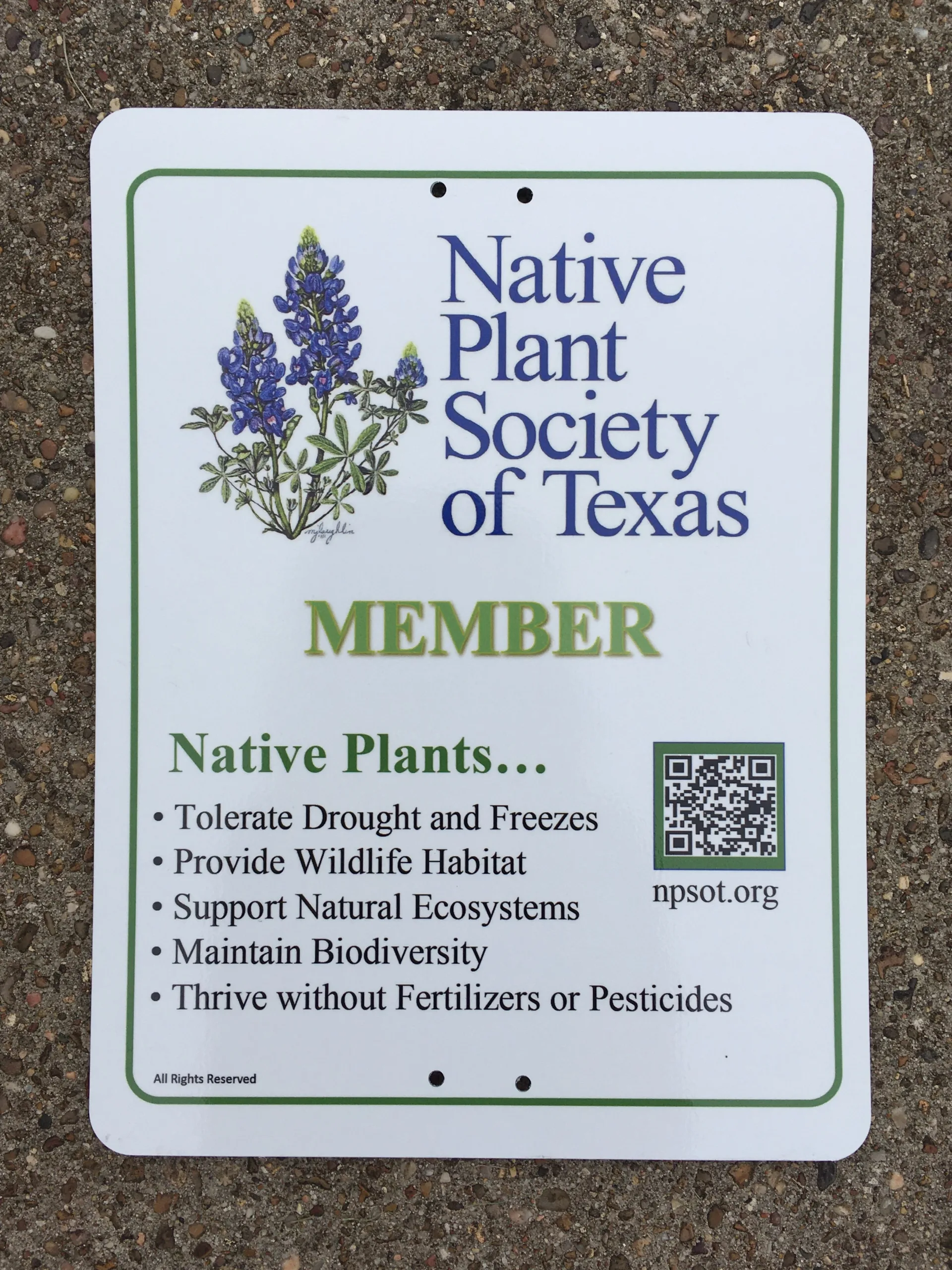
  • Native Plant Society Membership Sign (English or Spanish): $20

Ask the Expert

We’ll have experts on hand to answer your questions about native plants.

5 Tips to Love Your Native Plants from the Start

Fall Plant Sale Flyer – Please share and post to community bulletin boards.

Location

EIH is located on the UHCL campus at 2700 Bay Area BlvdEnter Entrance 2, take a left on Bayou Rd., and follow the signs to the NOA 1 Bldg. Or use Entrance 3 on Middlebrook Dr. and take a right into parking lot D4.

Look for these signs around campus:

Green and black plant sale event sign

About the Region

2026 Fall Symposium Logo

This low-elevations region of Texas extends inland from the barrier islands, about 60 or so miles, and stretches from Brownsville to Louisiana. In total, it covers about 9.5 million acres, with a high point of 150 feet in elevation. More than 1000 species of plants can be found in this region. On the southern end, species more common in Mexico (such as Sabal mexicana) and Central America occur.

The barrier islands provide us with dune systems, and clay flats to the inland side, which have species found in these areas alone. Many plants here, such as Ipomoea pes-caprae (beach morning glory), can be found throughout tropical regions of the globe. I’ve encountered the same species on the beaches of Guam.

Once inland, vast marshes and wet prairies occur. Occasionally, oak (Quercus fusiformis) groves can be found. Common grasses include species of Bothriochloa, Paspalum, and Sporobolus; eastern gamagrass (Tripsacum dactyloides); and switchgrass (Panicum species). Many rivers and creeks cut through the Gulf Prairies, and along these riparian areas various species of trees, Sabal minor, and other plants adapted to clay soils can be found. Due to overgrazing, farming, and fire suppression, woody species such as mesquite (Prosopis glandulosa) and huisache (Acacia farnesiana), and invasive species such as chinaberry (Melia azedarach), Brazilian pepper (Schinus terebinthifolius), and Chinese tallow (Sapium sebiferum) have increased and displaced our native flora.

Source: Wildflowers of Texas by Michael Eason