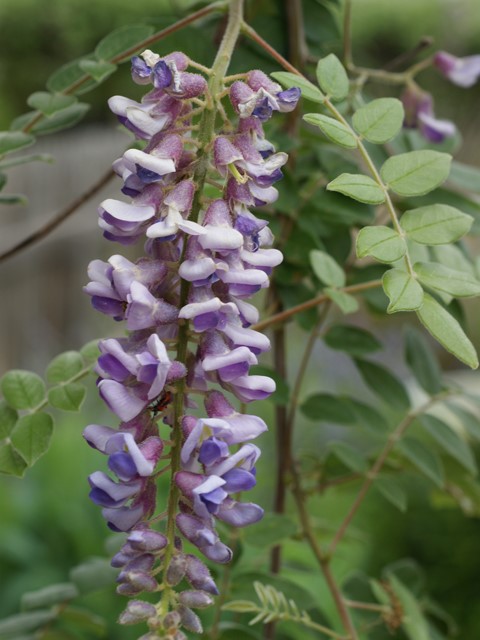

Coral Vine

Antigonon leptopus

Other Common Names

queen’s wreath, Mexican coral vine, Mexican creeper, confederate vine

Plant Category

Vine

Invasive Description

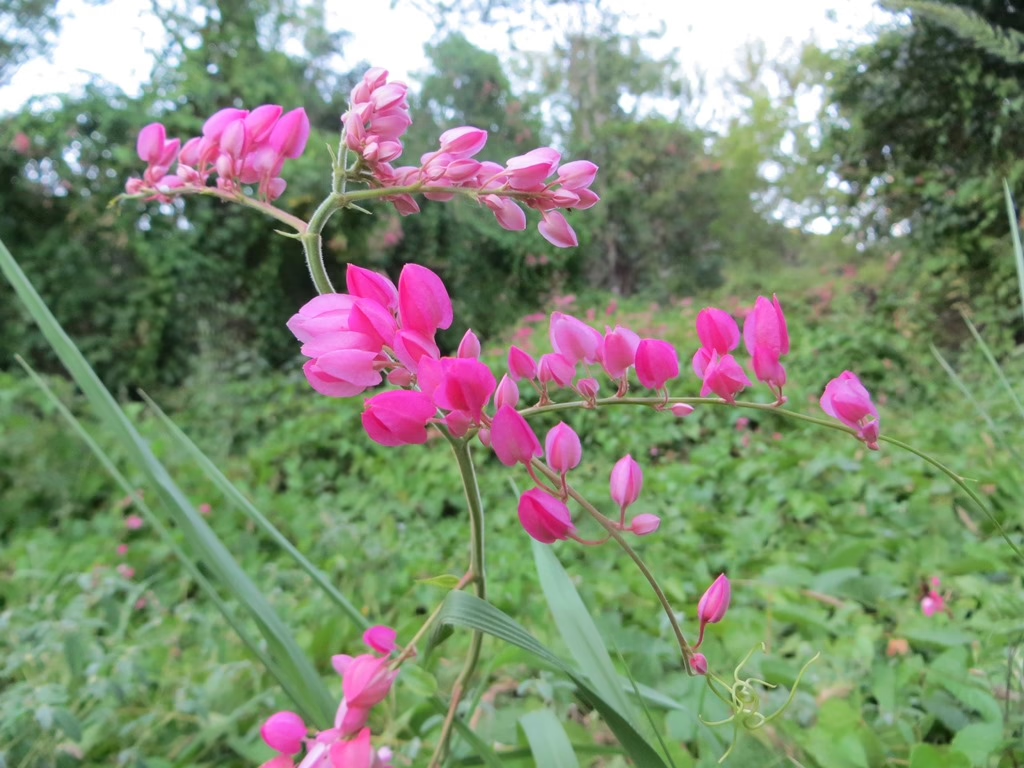
Native to Mexico, Coral Vine was introduced pre-1924 to the southeast and gulf regions of the United States as a landscape plant. It is a rapidly growing vine up to 25 feet in length with cordate (heard-shaped) or triangular leaves 2½ to 7½ cm long. The flowers are pink to white that grow in clusters along the central vine and blooms from spring to fall. The vine forms underground tubers and large rootstocks.

Ecological Threat

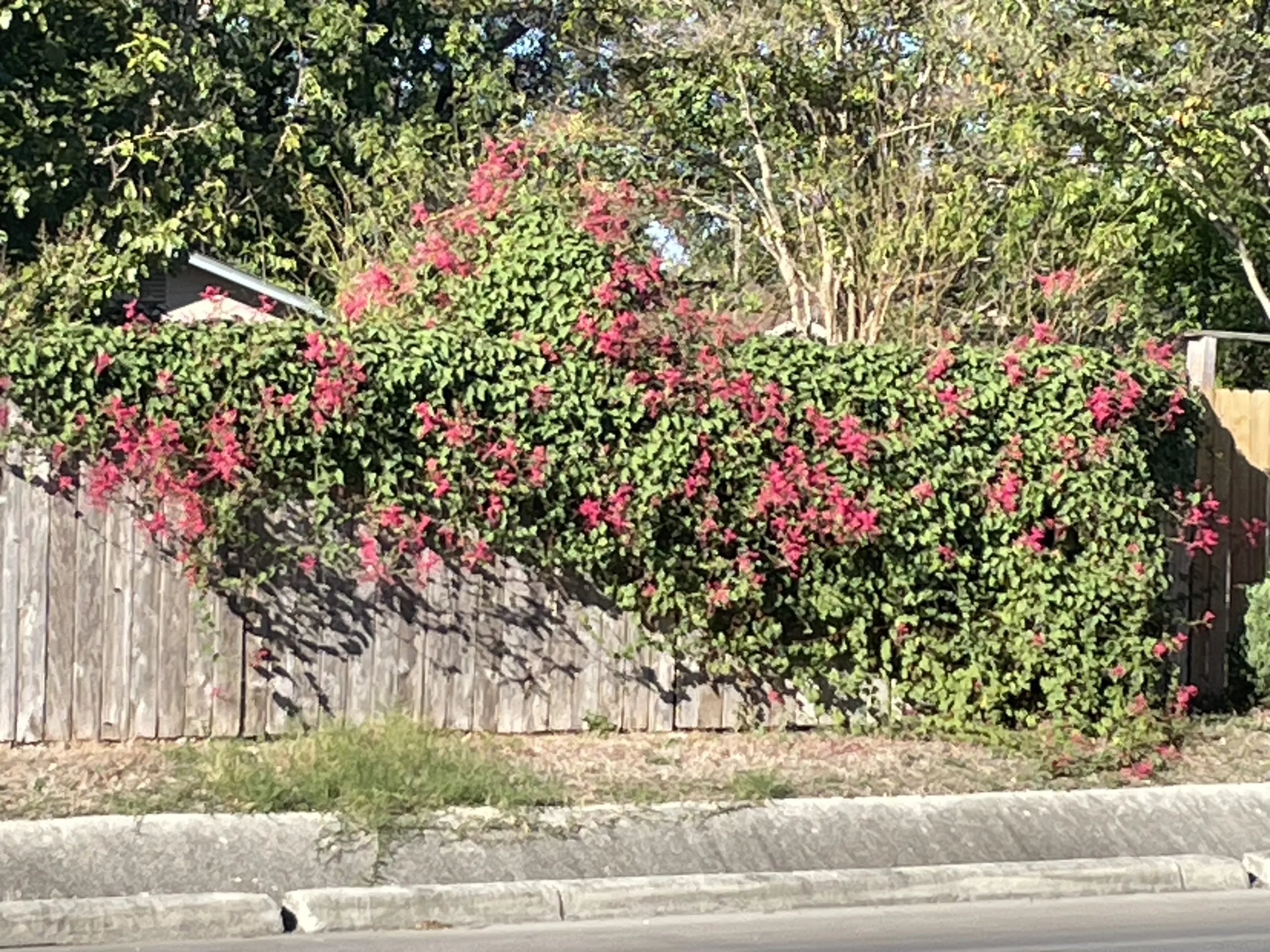
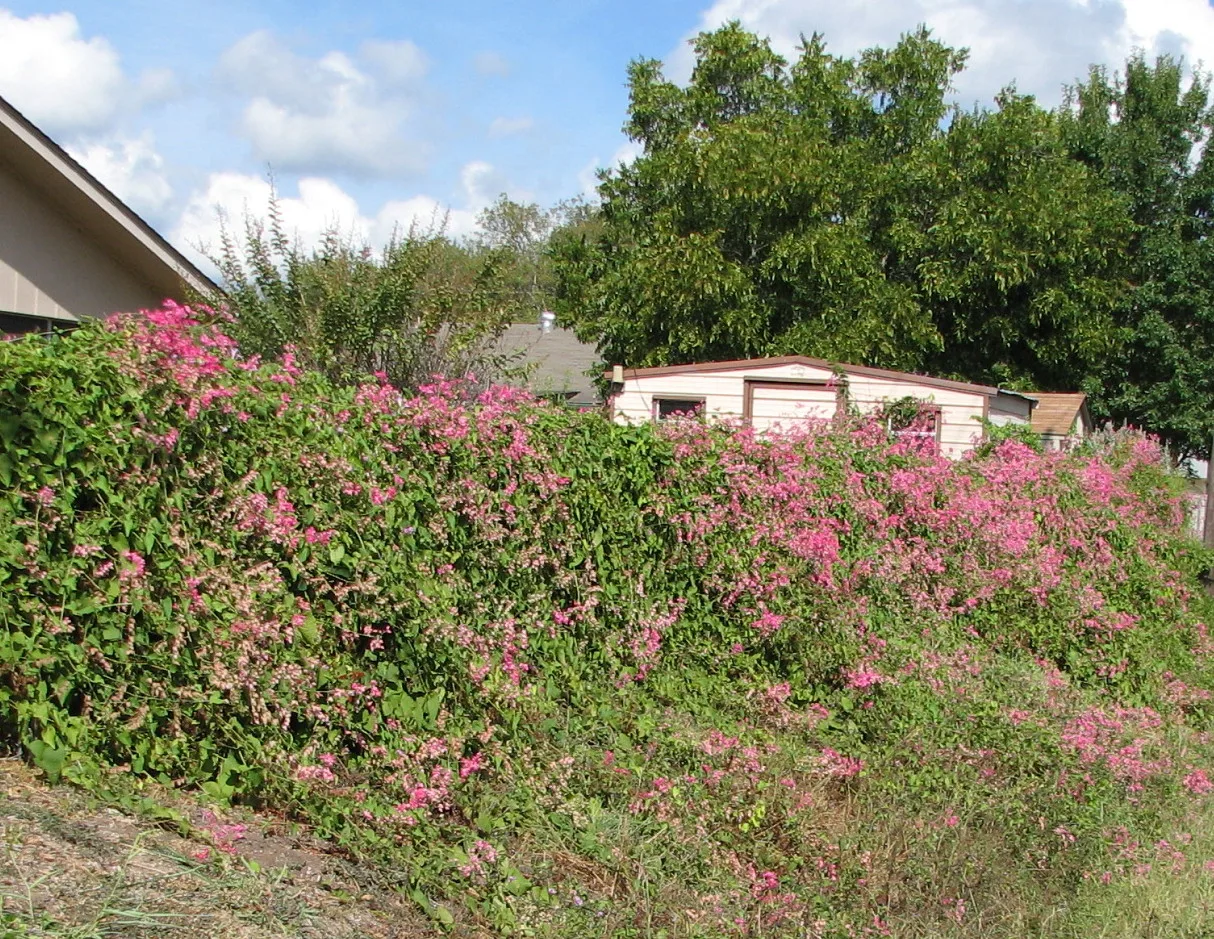
Antigonon leptopus spreads rapidly and can be weedy or invasive. Coral vine is a landscape plant used for its climbing habit, trained on fences and trellises. It can grow in poor soil and low sunlight, allowing it to flourish in areas where other plants cannot. This plant spreads by prolific seeding and underground tubers that will re-sprout, even with damage. The seeds can float on water, allowing the vine to spread to many different areas. Seeds are also spread by animals like birds, raccoons, and wild hogs.  Coral vine will quickly cover forest edges and disturbed ground, climbing and covering structures and nearby plants, many of them native. This makes the coral vine a successful invasive species.

How to Eradicate

For information on how to eradicate this invasive, view our statement on herbicide use and preferred alternatives for invasive plants.

Native Alternatives

You can replace this invasive plant with native alternatives. Here are some plants that make superior replacements.

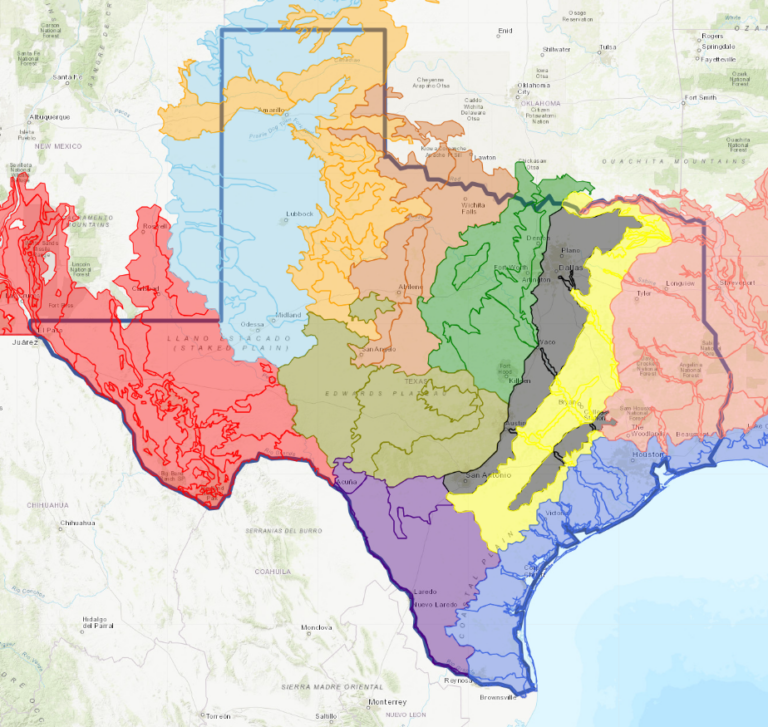
Match your location on the Texas map to the color squares on the replacement plants below to find suitable replacements for your ecoregion.

Click for more details about the ecoregions

About the Region

Fall Symposium 2025 Logo - Teach for the Future

Salado, the location of our Fall 2025 Symposium, lies at the intersection of two ecoregions: the Edwards Plateau (Limestone Cut Plain) and Blackland Prairie (Northern Blackland Prairie).

The Edwards Plateau area is also called the Hill Country; however, this general term covers a much larger area extending farther north. Spring-fed creeks are found throughout the region; deep limestone canyons, rivers, and lakes (reservoirs) are common. Ashe juniper is perhaps the most common woody species found throughout the region. Additional woody species include various species of oak, with live oak (Quercus fusiformis) being the most common. Sycamores (Platanus occidentalis) and bald cypress (Taxodium distichum) border waterways. This area is well known for its spring wildflower displays, though they may be viewed in spring, late summer, and fall, as well. According to Texas Parks and Wildlife, average annual rainfall in the Edwards Plateau ranges from 15 to 34 inches.

The Blackland Prairie extends from the Red River south to San Antonio, bordered on the west by the Edwards Plateau and the Cross Timbers, and on the east by the Post Oak Savannah. Annual rainfall averages 30 to 40 inches, with higher averages to the east. This region is dominated by prairie species. The most common grass species include little bluestem (Schizachyrium scoparium) and Indian grass (Sorghastrum nutans) in the uplands and switchgrass (Panicum virgatum) in the riparian areas and drainages. Common herbaceous flowering plants include salvias, penstemons, and silphiums. This area has suffered greatly from overgrazing and agricultural use. Few intact areas remain, though many of the plants can be found along county roadsides throughout the region.

Our fall Symposium host chapter, the Tonkawa Chapter, includes both of these ecoregions.

Source: Wildflowers of Texas by Michael Eason