By Greg Pearson, Clear Lake Chapter
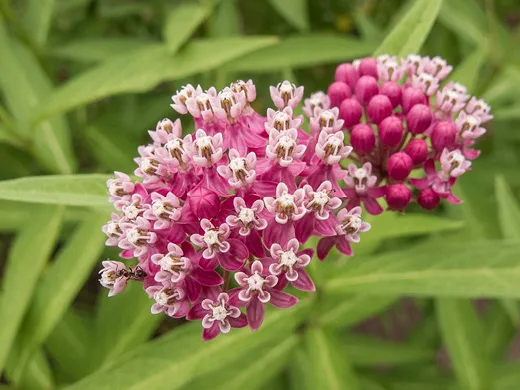
My interest in Monarchs and milkweed started following a trip my wife and I took to visit the Monarch wintering grounds in Mexico. After the trip, my wife and I added milkweed to our garden, but unfortunately, the only variety available at the time was Tropical Milkweed, Asclepias curassavica. After learning about all of the negative issues associated with tropical milkweed, we decided to replace it with native milkweed. Easier said than done.
After checking around, we found it was nearly impossible to find native milkweeds like our native Butterflyweed, Asclepias tuberosa. So, I embarked on a journey to grow our own. My first few naïve attempts were total failures. So, I took a step back, learned the basics of growing milkweed, and then worked on the method that I currently use. I started growing enough for our garden, but considering the need for it, I have since scaled up.
This year, I grew 500+ plants that I donated to our chapter plant sales, outreach giveaways, and other events. I also began leading workshops on growing milkweed through the Clear Lake Chapter and at nurseries as a means to further increase the supply. There is such a need for education about the importance of native milkweed, among both gardeners and professionals who work in the trade.
At one outreach function I met a nursery professional who was looking for a supply of native milkweed. They had been unable to source it from their suppliers and can’t been able to grow it on their own. After several conversations, we agreed that I could give a short workshop on growing native milkweed to their customers. I also volunteered to train their staff and help guide them through their first growing season (taking a NICE partnership up a notch)!
I encourage you to try any or all of these approaches to help increase the supply of native milkweed and help reduce or eliminate the use of tropical milkweed in Texas landscapes. I’m sure there are other local nurseries out there who would like to grow native milkweed. We should share our expertise.
If you’re interested in learning more about how to grow native milkweed–whether it’s for your own purposes, to share with your fellow chapter members, or to help educate your local nursery–please feel free to reach out to me. I’ll be happy to help you on this very important mission.
Greg Pearson can be contacted through the Clear Lake Chapter.
Editor’s note: Arm yourself with information on which milkweed species are native to your area of Texas by downloading a copy of the Texas Parks and Wildlife guide, Identification of Milkweeds in Texas.
Did you like this article? It’s from our Winter 2024 Texas Native Plants magazine. Read more here