
Organization: North Central

Container Pollinator Garden at UUMC

LOCATION: 2416 West Berry Street, Fort Worth TX 76110 at University United Methodist Church. Enter the parking lost on Forest Park Blvd, across from Paschal High School. The demonstration garden

N.I.C.E. for the season

NICE Summer 2025 Plant of the Season

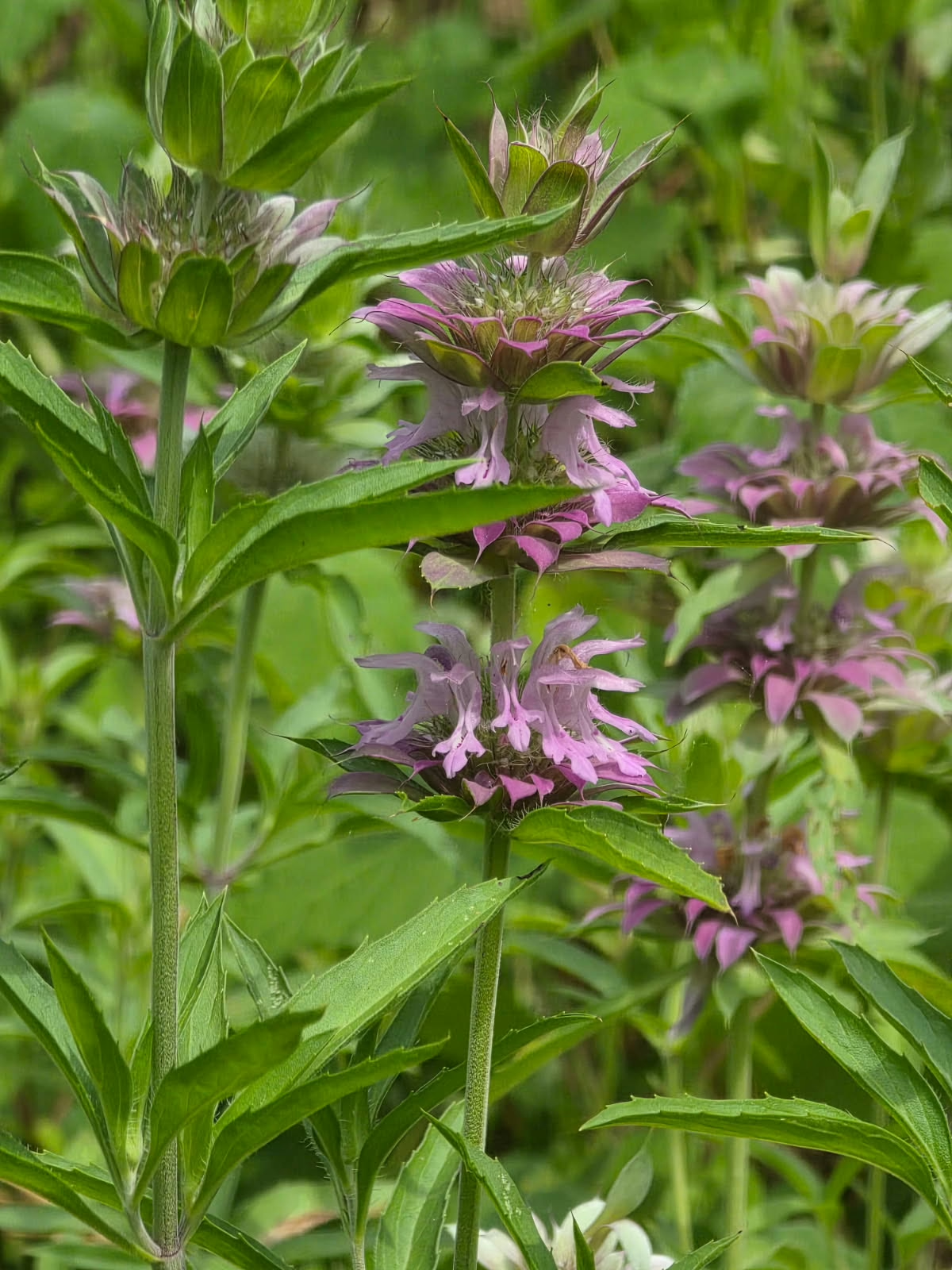
Lemon Beebalm: Annual Wildflower with Medicinal Uses Monarda citriodora, is a hardy, annual wildflower found in sandy or rocky soils in prairies and meadows and is widespread in Texas. The

N.I.C.E. for the season

NICE Spring 2025 Plant of the Season

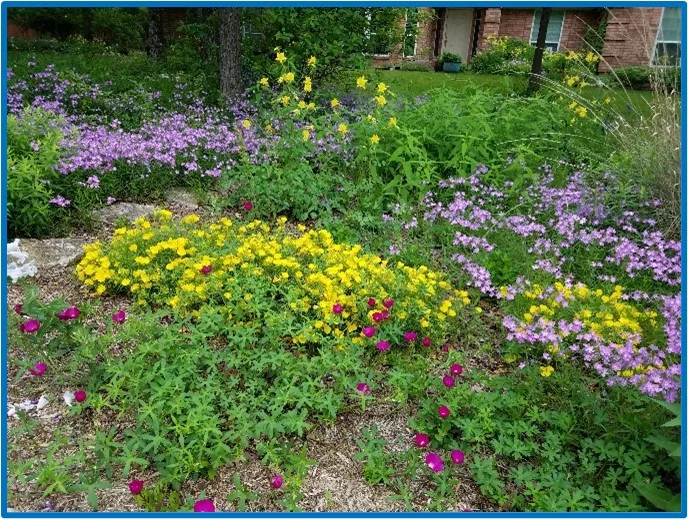
Fragrant Phlox (Phlox pilosa) Perennial spring blooms that attract butterflies.Phlox pilosa, called Fragrant Phlox, Downy Phlox or Prairie Phlox, is found in north central Texas, primarily in the dry soils

Plant Sale

Spring Plant Sale May 3, 2025

When: Saturday, May 3, 2025 Where:  Randol Mill Park Pavilion, Arlington TX Time: 10:00 am – 12:30 pm Click here to sign up to volunteer at this plant sale.  Many

N.I.C.E. for the season

NICE Fall 2024 Plant of the Season

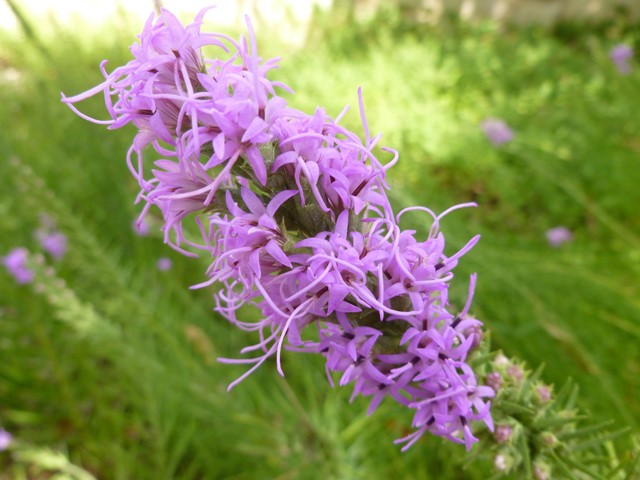
Gayfeather: Fall Blooming, Showy Perennial (Liatris punctata)Description: Liatris punctata is a large eastern and midwestern NorthAmerican genus that includes 43 species, collectively called Gayfeather,Texas Blazing Star, or Button-Snakeroot. Narrow-Leaf Gayfeather,

Native Plants

NICE Summer 2024 Plant of the Season

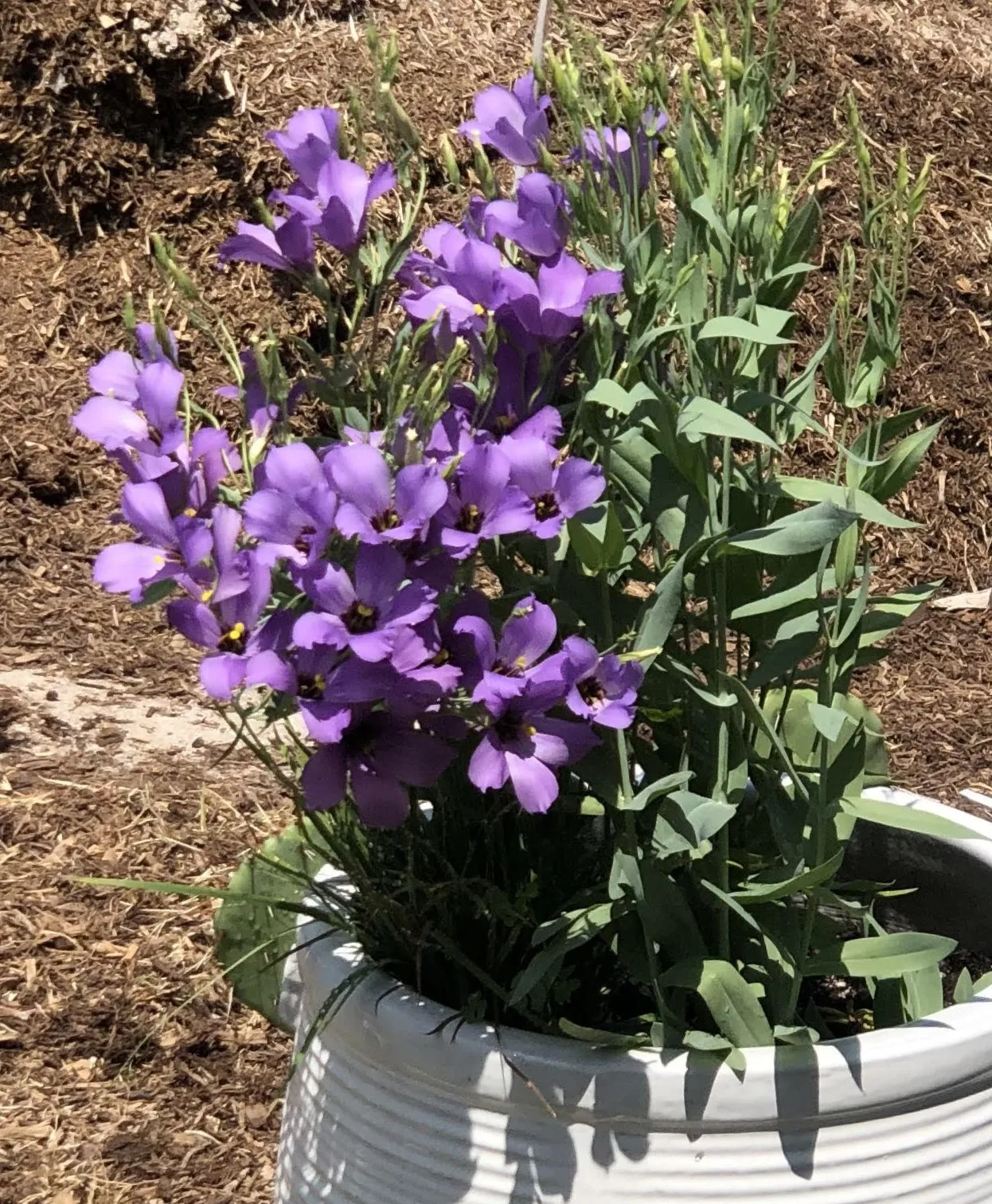
Texas Bluebells, Eustoma exaltatum ssp. russellianum, depending on where they grow, may grow as an annual, a biennial, or a perennial but in most of its range it is a

Native Plants

NICE Spring 2024 Plant of the Season

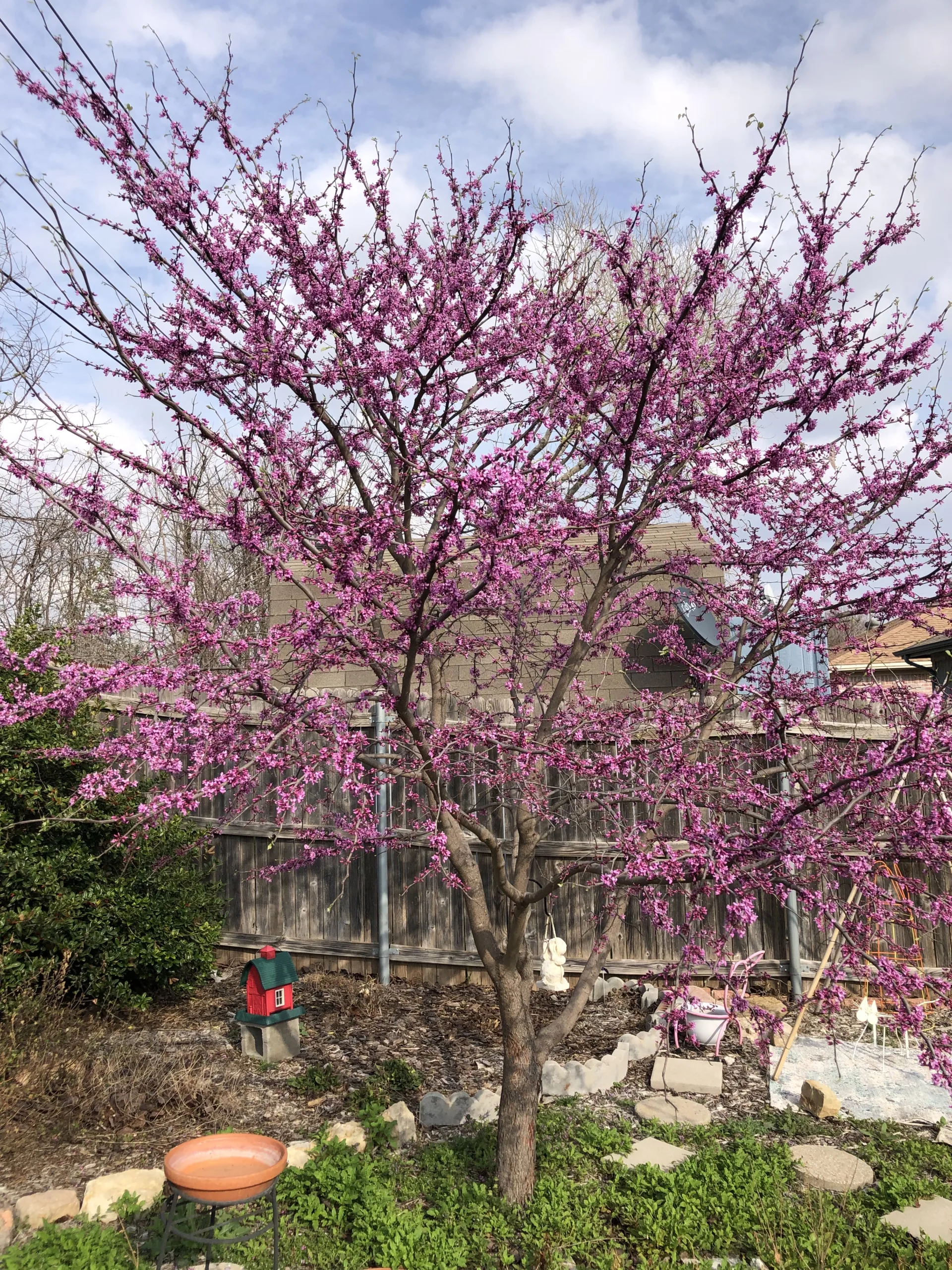
Texas Redbud (Cercis canadensis var. texensis) Ornamental Tree and Harbinger of SpringDescription: Texas Redbud, (Cercis canadensis var. texensis),is native to southern Oklahoma to central Texas andnortheastern Mexico. Nothing quite heralds

About the Region

2026 Fall Symposium Logo

This low-elevations region of Texas extends inland from the barrier islands, about 60 or so miles, and stretches from Brownsville to Louisiana. In total, it covers about 9.5 million acres, with a high point of 150 feet in elevation. More than 1000 species of plants can be found in this region. On the southern end, species more common in Mexico (such as Sabal mexicana) and Central America occur.

The barrier islands provide us with dune systems, and clay flats to the inland side, which have species found in these areas alone. Many plants here, such as Ipomoea pes-caprae (beach morning glory), can be found throughout tropical regions of the globe. I’ve encountered the same species on the beaches of Guam.

Once inland, vast marshes and wet prairies occur. Occasionally, oak (Quercus fusiformis) groves can be found. Common grasses include species of Bothriochloa, Paspalum, and Sporobolus; eastern gamagrass (Tripsacum dactyloides); and switchgrass (Panicum species). Many rivers and creeks cut through the Gulf Prairies, and along these riparian areas various species of trees, Sabal minor, and other plants adapted to clay soils can be found. Due to overgrazing, farming, and fire suppression, woody species such as mesquite (Prosopis glandulosa) and huisache (Acacia farnesiana), and invasive species such as chinaberry (Melia azedarach), Brazilian pepper (Schinus terebinthifolius), and Chinese tallow (Sapium sebiferum) have increased and displaced our native flora.

Source: Wildflowers of Texas by Michael Eason