
Organization: North Central

N.I.C.E. for the season

NICE Summer 2026 Plant of the Season

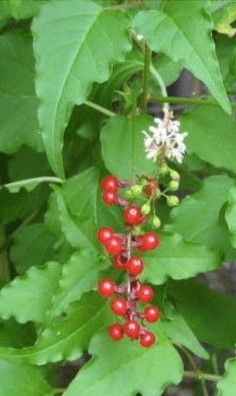
Pigeonberry (Rivina humilis L.): Perennial ground cover for shade Description: Pigeonberry (Rivina humilis L.), also called Coralito, or Rouge Plant, is native to the southern US as far north as

N.I.C.E. for the season

NICE Spring 2026 Plant of the Season

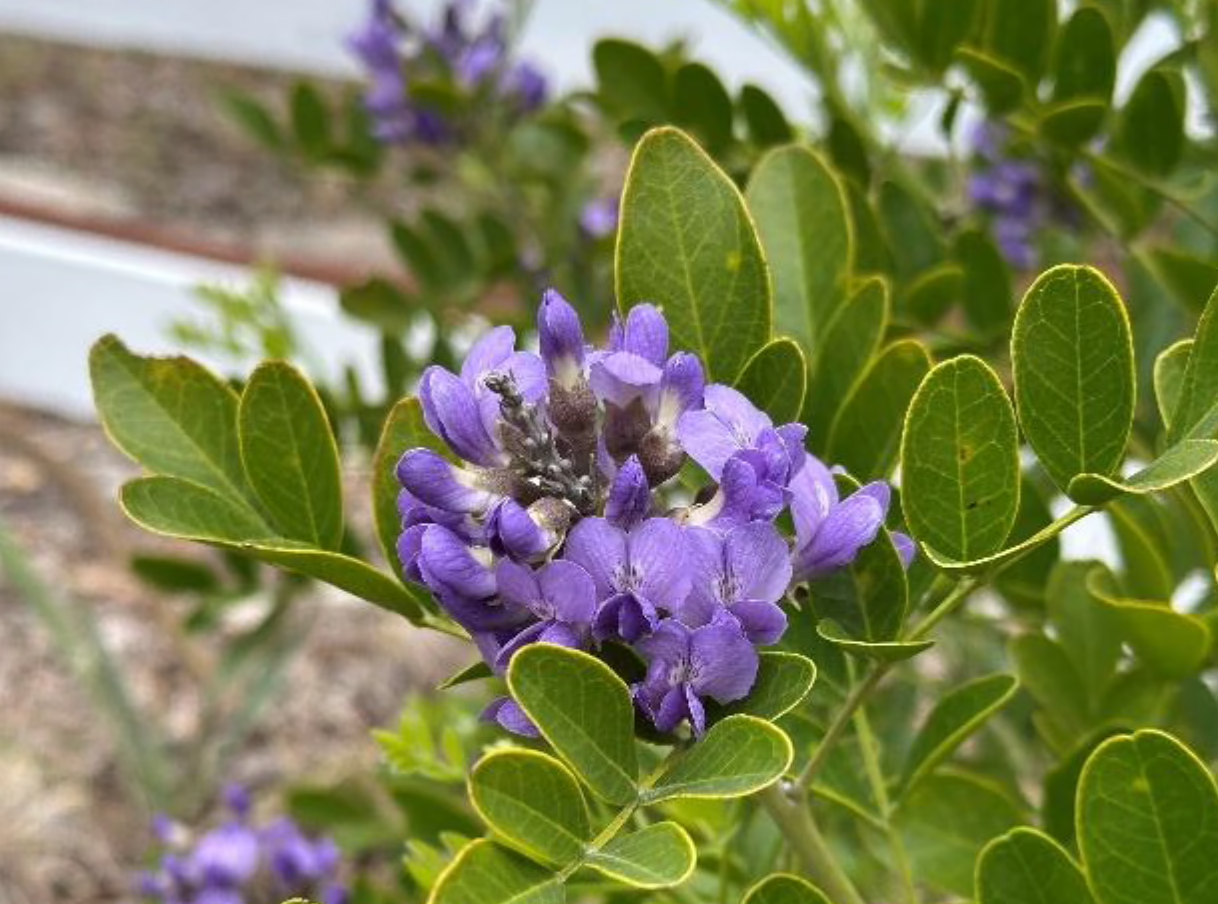
Texas Mountain Laurel Calia secundiflora (Sophora secundiflora): Evergreen shrub or small multi-trunked tree Description: Texas Mountain Laurel, Calia secundiflora (Sophora secundiflora), is a slow growing evergreen shrub that can be

General

A Renewed Commitment to Monarchs and to the Future

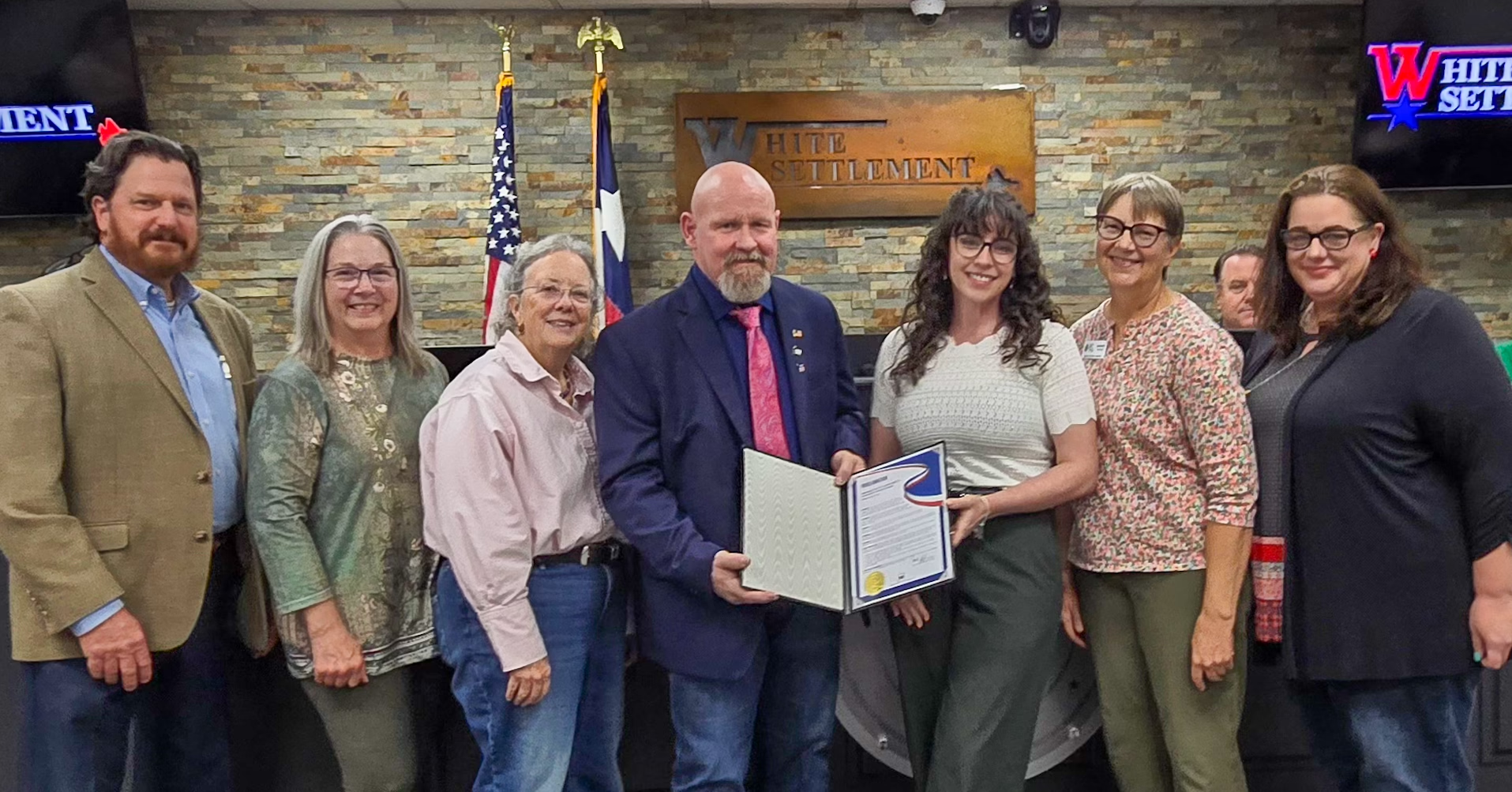
The volunteers of the White Settlement Monarch Waystation were recently honored with a formal proclamation from Mayor Faron Young, reaffirming the City of White Settlement’s participation in the Mayor’s Monarch

Plant Sale

Spring Plant Sale May 2, 2026

When: Saturday, May 2, 2026 Where:  Randol Mill Park Pavilion, Arlington TX Time: 10:00 am – 12:30 pm  Many of our chapter members are providing plants and we are expecting

Contact North Central Chapter

Have a question about the chapter or know about a native plant program that members might find interesting? Contact us by email atnorth-central-chapter@npsot.org, join our Facebook Group, or fill out

Calendar – North Central

Zoom Meeting Registration We hold our monthly chapter meetings both in person and online. If you can’t make it in person, you can join us on Zoom. Please sign up

Conservation

North Texas Giving Day

North Texas Giving Day runs August 28 through September 18, 2025. Every dollar you give helps us plant seeds of change—literally and figuratively. Whether you’re passionate about protecting Texas’s natural

N.I.C.E. for the season

NICE Fall 2025 Plant of the Season

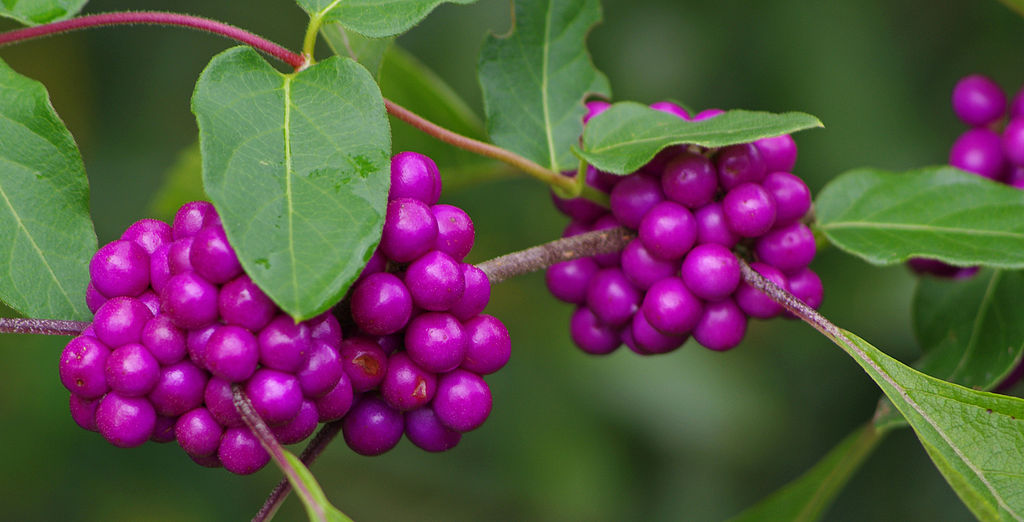
American Beautyberry (Callicarpa americana): Shrub for partial shade Description: American Beautyberry is an interesting and beautiful ornamental shrub, suitable for a shade or sun garden. The most striking feature of

Newsletter Archives

Subscribe to our email newsletter Newsletter Archives Recent newsletter archives can be found here: August 2025 – Present Newsletters:  2023 to July 2025 January – July 2025  2024 Newsletters

About the Region

2026 Fall Symposium Logo

This low-elevations region of Texas extends inland from the barrier islands, about 60 or so miles, and stretches from Brownsville to Louisiana. In total, it covers about 9.5 million acres, with a high point of 150 feet in elevation. More than 1000 species of plants can be found in this region. On the southern end, species more common in Mexico (such as Sabal mexicana) and Central America occur.

The barrier islands provide us with dune systems, and clay flats to the inland side, which have species found in these areas alone. Many plants here, such as Ipomoea pes-caprae (beach morning glory), can be found throughout tropical regions of the globe. I’ve encountered the same species on the beaches of Guam.

Once inland, vast marshes and wet prairies occur. Occasionally, oak (Quercus fusiformis) groves can be found. Common grasses include species of Bothriochloa, Paspalum, and Sporobolus; eastern gamagrass (Tripsacum dactyloides); and switchgrass (Panicum species). Many rivers and creeks cut through the Gulf Prairies, and along these riparian areas various species of trees, Sabal minor, and other plants adapted to clay soils can be found. Due to overgrazing, farming, and fire suppression, woody species such as mesquite (Prosopis glandulosa) and huisache (Acacia farnesiana), and invasive species such as chinaberry (Melia azedarach), Brazilian pepper (Schinus terebinthifolius), and Chinese tallow (Sapium sebiferum) have increased and displaced our native flora.

Source: Wildflowers of Texas by Michael Eason