

July 2026
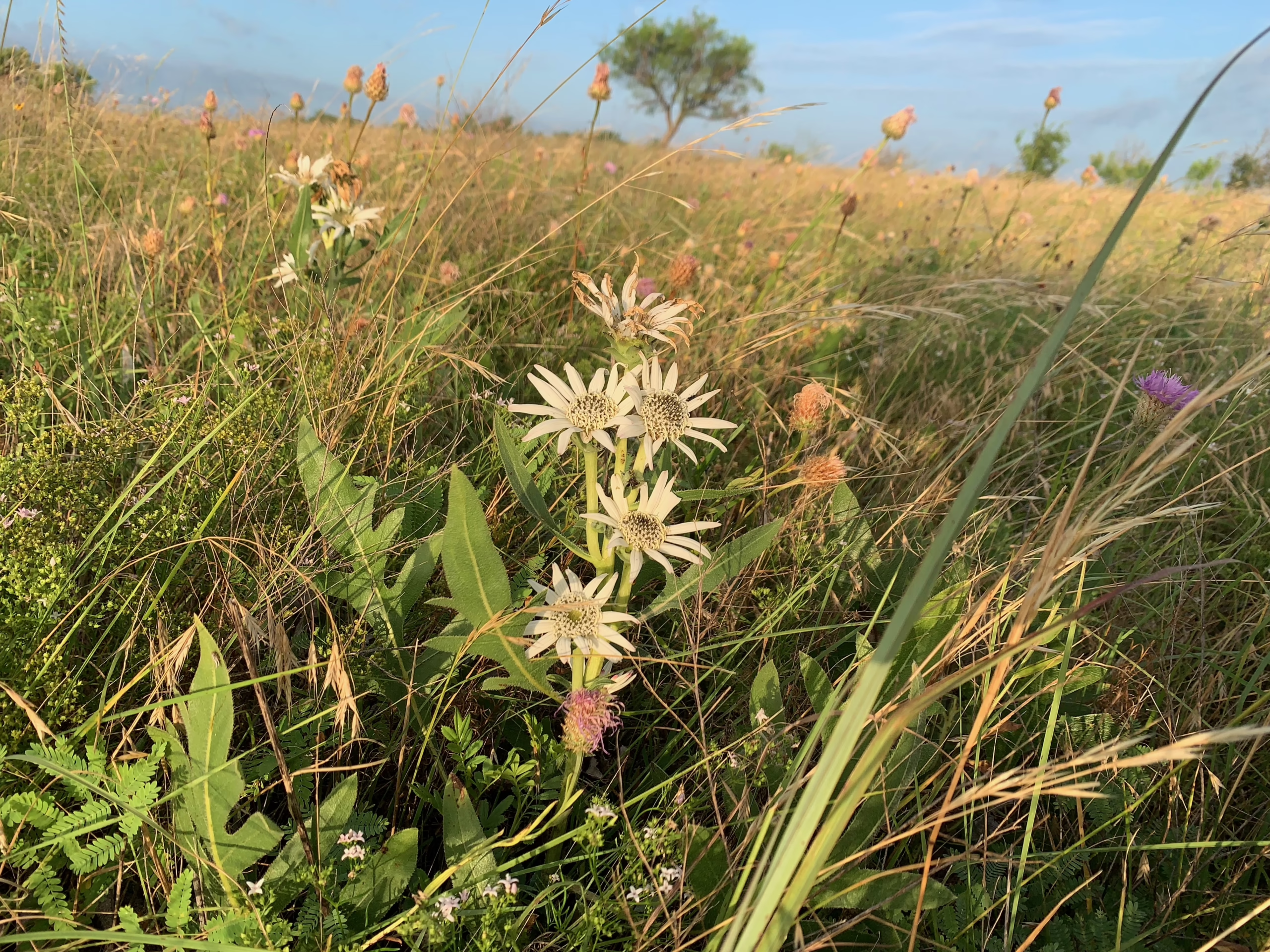
All Seasons Field Trip: Summer, Benbrook, North Central Chapter
Come explore the Benbrook Environmentally Sensitive Area with us. This 700-acre site has been designated as an Environmentally Sensitive Area (ESA) by the Army Corps of Engineers. Part of the greater Fort Worth Prairie ecoregion, it offers views of the unspoiled grand prairie with riparian features. There are a multitude of native prairie grasses and […]

Social Event at Main Event in Fort Worth
Everyone is invited! Bring the kids, grandkids, or a friend. You don’t need to be a NPSOT member to attend. We’d love for you to come hang out with us! This is a come-and-go event, and you can join us anytime between 5:00pm and 8:00pm. Members from the North Central Chapter will be set up […]
August 2026
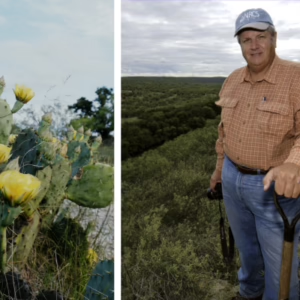
Ricky Linex, Native and Introduced Plants: The Good, the Bad, and the Ugly, North Central Chapter Meeting
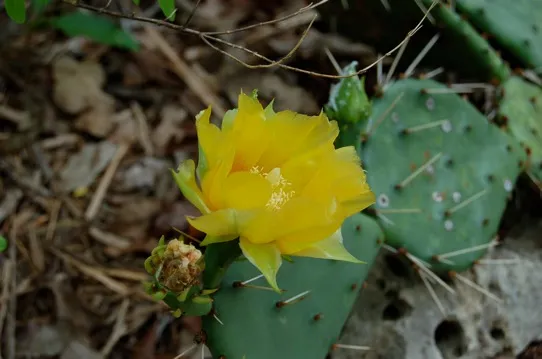
Join us for an engaging lecture featuring vivid photos and expert insights on Texas’s native plants as well as introduced and invasive grasses and forbs. Learn to recognize invasive and noxious species making their way into Texas landscapes, and discover the value of monitoring native plants—such as a ten-year photo study of prickly pear growth. […]

Reminder – Contest Entry Deadline August 31
Reminder that entries for our annual contests must be submitted by midnight on August 31. To access rules and entry forms login to the member portal and check the left-hand panel for the link. We have contests in photography, video and chapter newsletters.
September 2026
David Hopman, Creative Regionalism: Native Plants and Natural Systems. North Central Chapter Meeting
David Hopman, ASLA, PLA has pursued a long career as a landscape architect and educator. In both professions, he continually searches for and transmits an ideology that promotes thriving for humans, non-humans, and natural systems. This search culminated in a book published in 2025: Creative Regionalism: Renewing the Aesthetic Experience of Landscape in Environmental Design […]
October 2026
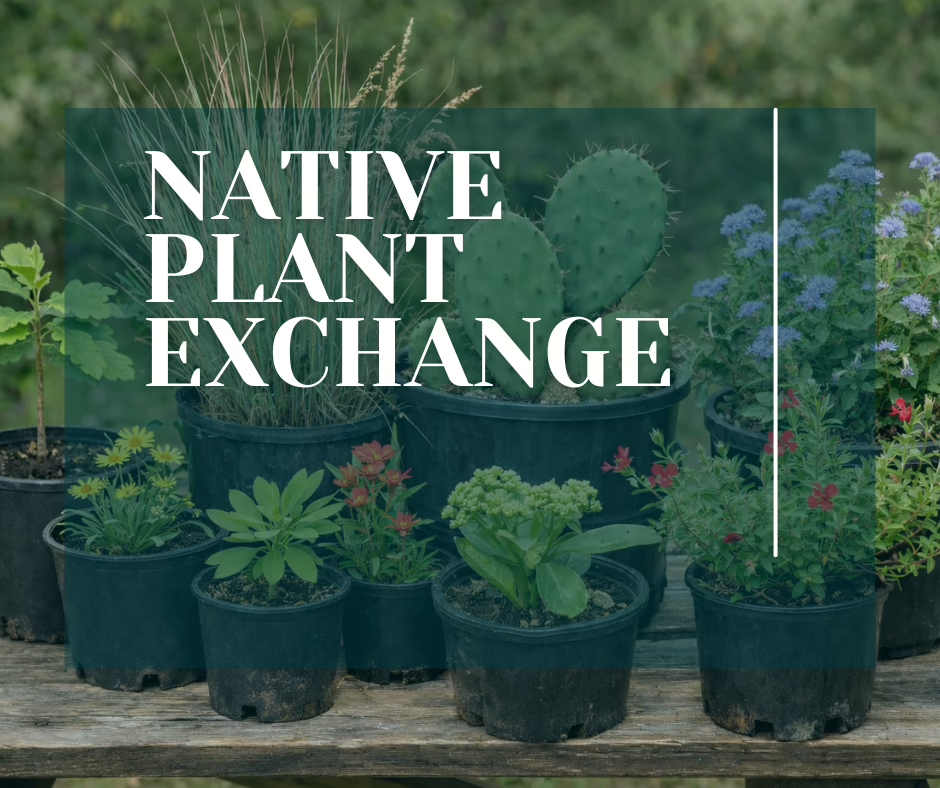
Native Plant Exchange, North Central Chapter Meeting
Bring your favorite native plant to swap for a new one! Be prepared to share a bit about your plant, including its common and scientific names, where it grows in your garden, its growing conditions, and what you love about it. If you don’t have a plant to bring, that’s okay, we have plenty to […]
Fall Native Plant Sale, North Central Chapter
The North Central Chapter holds two native plant sales each year. These sales showcase a wide variety of native plant species, some of which are rarely offered by commercial nurseries. By purchasing from our sales, you help advance our mission to promote conservation, research, and the use of native plants in Texas. Join us in […]
November 2026
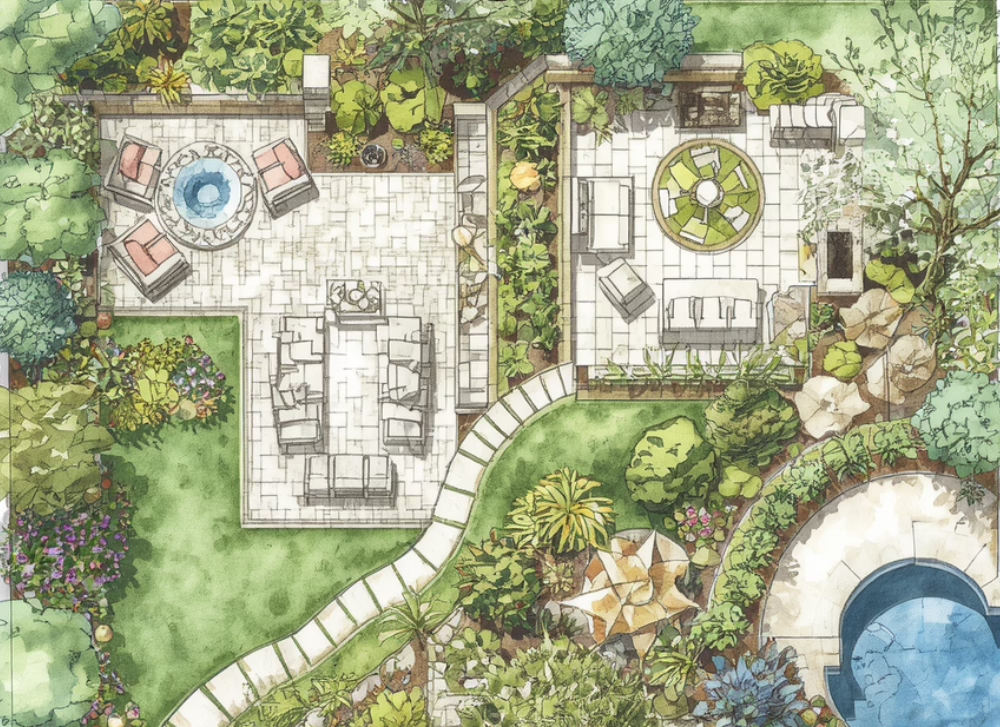
James Theiss, Eco-Typic Landscape Design: a New Revolution in Modern Landscape Planting, North Central Chapter Meeting
This presentation will focus on eco-typic planting alternatives for modern landscapes and explore how we can use nature as both inspiration and instruction for planting design. James Theiss has a degree in Forest Ecology and a master’s degree in Landscape Architecture. He is an award-winning landscape designer who has been designing sustainable landscapes since 2001. […]
December 2026

Holiday Party, North Central Chapter
North Central Chapter Members are invited to our Annual Holiday Party! The room will be set with banquet tables and we will have a catered dinner, games, and prizes! Are you a chapter member interested in joining the Holiday Party planning committee? Send us an email! north-central-chapter@npsot.org RSVP Link will be Emailed to Chapter Members […]
No event found!
