Organization: Trinity Forks

Roots for Wings Demo Garden

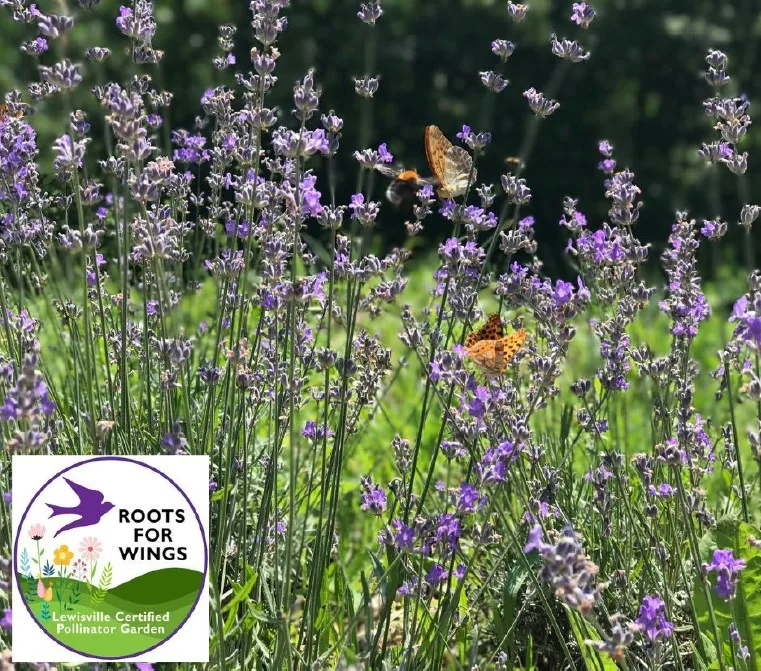
Lewisville Animal Shelter Roots for Wings Demo Garden The City of Lewisville is excited to launch Roots for Wings, a pilot program certifying residential pollinator and native habitat gardens.  This

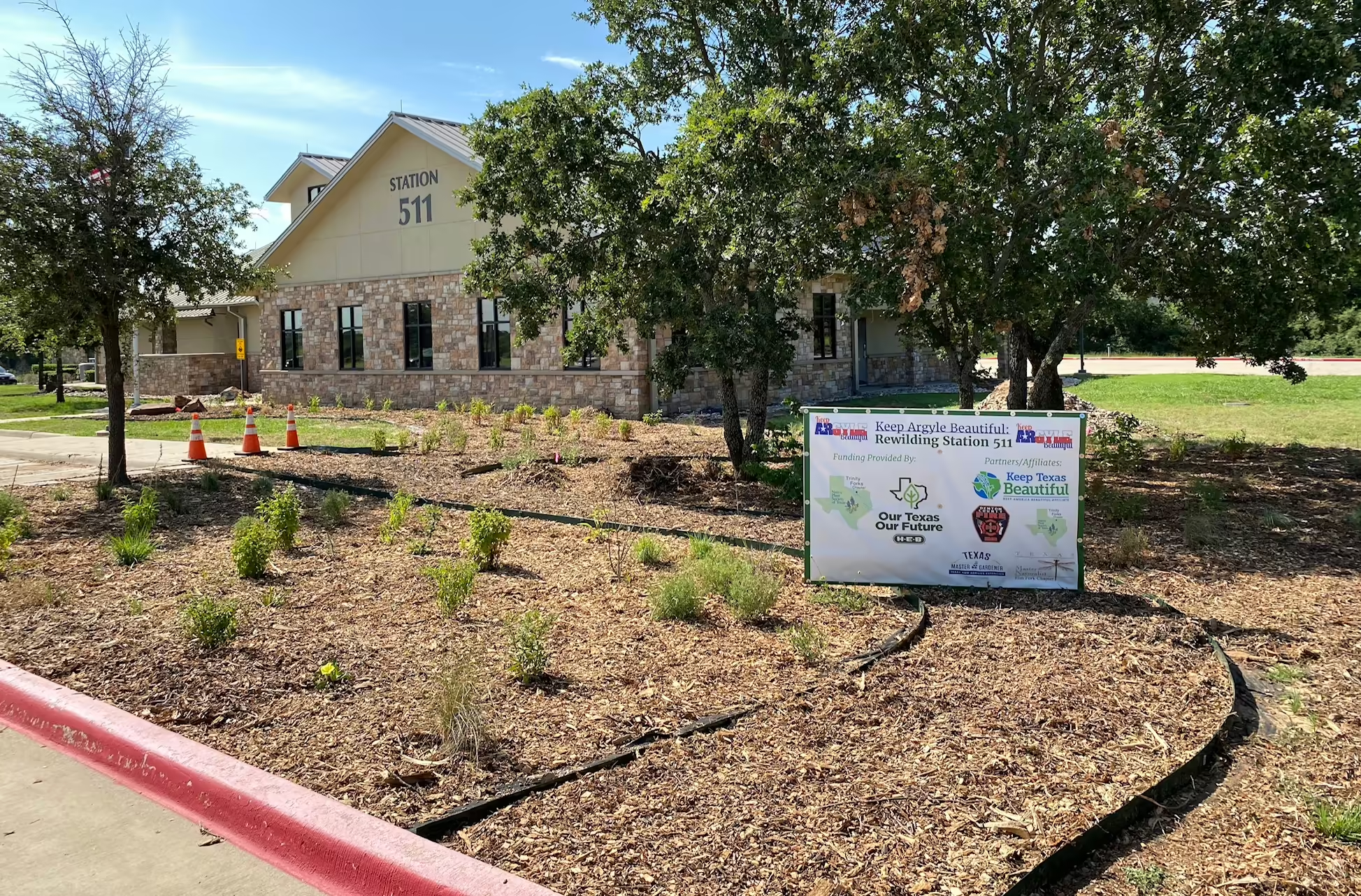
Station 511 in Argyle

Located at Station 511 in Argyle, Rewilding Station 511 is a joint project between Denton County ESD 1, Keep Argyle Beautiful, the Denton County Master Gardener Association, and NPSOT Trinity

Bringing the Prairie into the City

The year was 1995. Trinity Forks (TF) members were working around the clock to restore a piece of prairie in Denton, precisely a 1.5 acres of fire scorched land north-east

Trinity Forks Project Collaborations

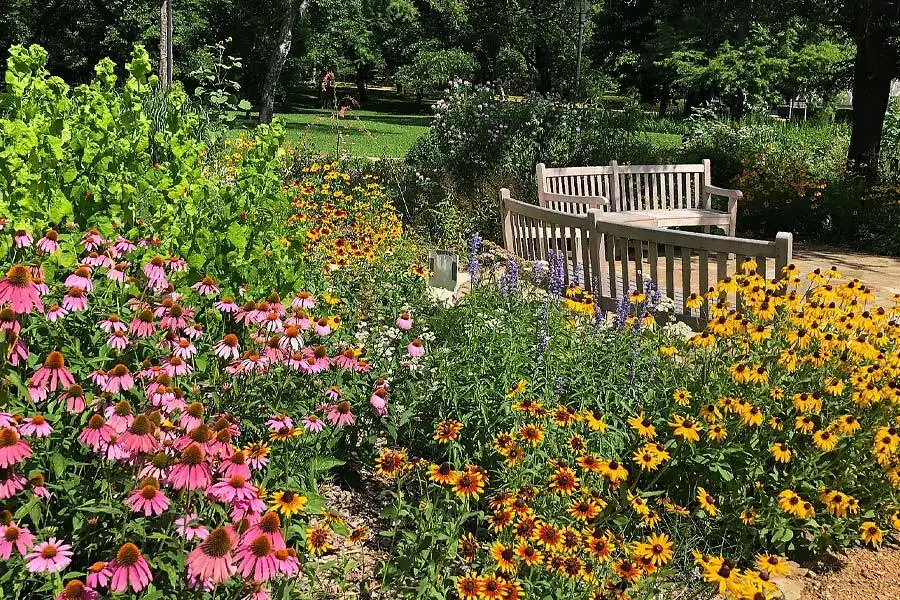
1995 – Restoration of native prairie north-east of North Lakes Park, Denton 1998 – Benny J. Simpson Memorial Garden, Texas Woman’s University Campus, Denton 2018 – Planting a Native Landscape

Trinity Forks Resources

   Please Enjoy this short video: Interview with a Bluebonnet https://www.youtube.com/watch?v=x0lJEI_ljCg   Resource List – Nurseries, Websites, Organizations and Books for success growing Texas native plants Native Plants: What to Plant &

Spring Creek Forest Preserve

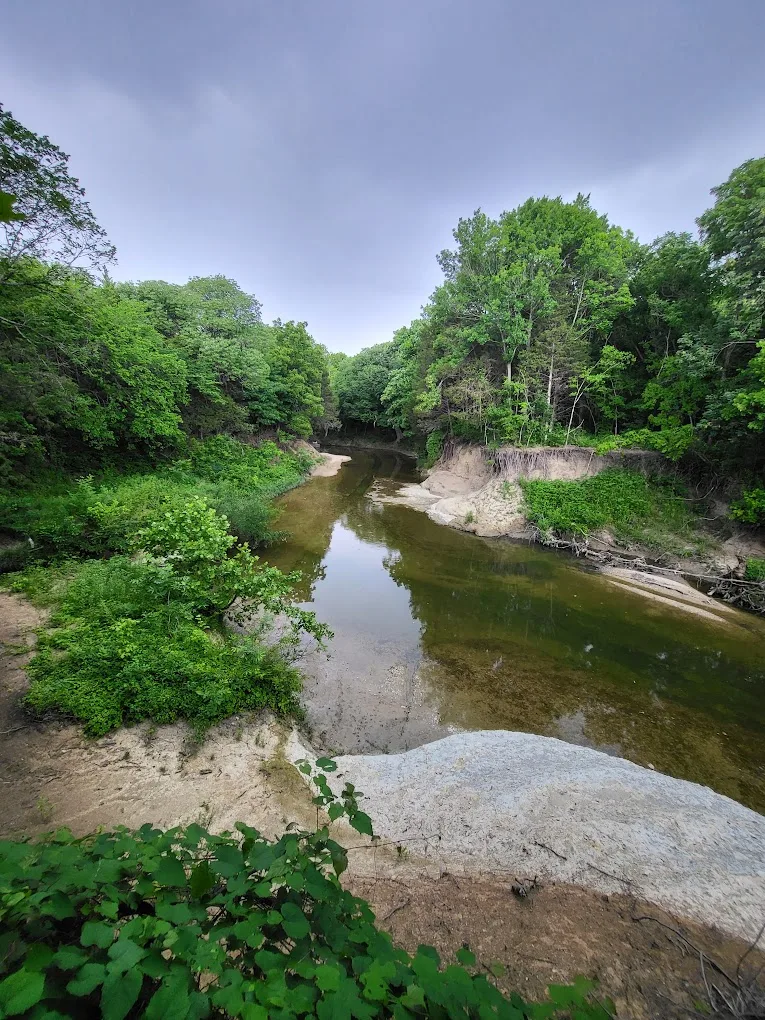
The preserve is situated in northern Dallas County, and features old-growth bottomlandforest with a gentle, wide spring water stream that flows over a bed of solid limestone. The force of the water has

Arbor Hills Nature Preserve

Arbor Hills Nature Preserve is a 200-acre park in Plano, Texas. It has several amenities including 3 miles of paved hiking trail, 3 miles of unpaved hiking trail, a 2.8

Cross Timbers Hiking Trail at Lake Texoma

This near-15 mile trail runs along the shore of Lake Texoma from Paw Paw Creek to Juniper Point, passing through Cedar Bayou about 13 miles north of Whitesboro, and Eagles

About the Region

Fall Symposium 2025 Logo - Teach for the Future

Salado, the location of our Fall 2025 Symposium, lies at the intersection of two ecoregions: the Edwards Plateau (Limestone Cut Plain) and Blackland Prairie (Northern Blackland Prairie).

The Edwards Plateau area is also called the Hill Country; however, this general term covers a much larger area extending farther north. Spring-fed creeks are found throughout the region; deep limestone canyons, rivers, and lakes (reservoirs) are common. Ashe juniper is perhaps the most common woody species found throughout the region. Additional woody species include various species of oak, with live oak (Quercus fusiformis) being the most common. Sycamores (Platanus occidentalis) and bald cypress (Taxodium distichum) border waterways. This area is well known for its spring wildflower displays, though they may be viewed in spring, late summer, and fall, as well. According to Texas Parks and Wildlife, average annual rainfall in the Edwards Plateau ranges from 15 to 34 inches.

The Blackland Prairie extends from the Red River south to San Antonio, bordered on the west by the Edwards Plateau and the Cross Timbers, and on the east by the Post Oak Savannah. Annual rainfall averages 30 to 40 inches, with higher averages to the east. This region is dominated by prairie species. The most common grass species include little bluestem (Schizachyrium scoparium) and Indian grass (Sorghastrum nutans) in the uplands and switchgrass (Panicum virgatum) in the riparian areas and drainages. Common herbaceous flowering plants include salvias, penstemons, and silphiums. This area has suffered greatly from overgrazing and agricultural use. Few intact areas remain, though many of the plants can be found along county roadsides throughout the region.

Our fall Symposium host chapter, the Tonkawa Chapter, includes both of these ecoregions.

Source: Wildflowers of Texas by Michael Eason