Saving Nature: Conserving Native Texas One Yard at a Time

Presentation Details

The reasons for growing native plants in our yards and parks are shown. The importance of native ecosystems to nature and urban society as well as the benefits of native plants in home landscapes are presented. Information presented includes global, national, Texas, and Montgomery County specific trends in land use and how this adversely impacts wildlife and ecosystem functions. Research on the impact of native plants on nature is presented along with practical examples of benefits of native plants to the local ecosystem(s).

Equipment Required:
Projector, Screen, Television
Additional Requirements:
If using, TV should have HDMI. If not, will need projector.
Ecoregions Covered:
East Central Texas Plains, Gulf Coast Prairies and Marshes, Texas Blackland Prairies, Western Gulf Coastal Plain

Presenter Information

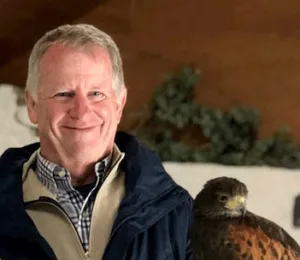
Mike has a lifelong interest in nature and gardening and currently volunteers with the Native Committee at Mercer Botanic Gardens in Houston. He’s a member of his local chapters of […]

  • Mike McGee

    Mike has a lifelong interest in nature and gardening and currently volunteers with the Native Committee at Mercer Botanic Gardens in Houston. He's a member of his local chapters of the Native Plant Society and Texas Master Naturalists.

About the Region

Fall Symposium 2025 Logo - Teach for the Future

Salado, the location of our Fall 2025 Symposium, lies at the intersection of two ecoregions: the Edwards Plateau (Limestone Cut Plain) and Blackland Prairie (Northern Blackland Prairie).

The Edwards Plateau area is also called the Hill Country; however, this general term covers a much larger area extending farther north. Spring-fed creeks are found throughout the region; deep limestone canyons, rivers, and lakes (reservoirs) are common. Ashe juniper is perhaps the most common woody species found throughout the region. Additional woody species include various species of oak, with live oak (Quercus fusiformis) being the most common. Sycamores (Platanus occidentalis) and bald cypress (Taxodium distichum) border waterways. This area is well known for its spring wildflower displays, though they may be viewed in spring, late summer, and fall, as well. According to Texas Parks and Wildlife, average annual rainfall in the Edwards Plateau ranges from 15 to 34 inches.

The Blackland Prairie extends from the Red River south to San Antonio, bordered on the west by the Edwards Plateau and the Cross Timbers, and on the east by the Post Oak Savannah. Annual rainfall averages 30 to 40 inches, with higher averages to the east. This region is dominated by prairie species. The most common grass species include little bluestem (Schizachyrium scoparium) and Indian grass (Sorghastrum nutans) in the uplands and switchgrass (Panicum virgatum) in the riparian areas and drainages. Common herbaceous flowering plants include salvias, penstemons, and silphiums. This area has suffered greatly from overgrazing and agricultural use. Few intact areas remain, though many of the plants can be found along county roadsides throughout the region.

Our fall Symposium host chapter, the Tonkawa Chapter, includes both of these ecoregions.

Source: Wildflowers of Texas by Michael Eason