Collin County Chapter

Reminder – No January Chapter meeting

Our next chapter meeting will be on Tuesday, February 4th. The meeting will be virtual only via Zoom. We will not hold an in-person gathering at the Heard Museum in February, so please plan to join us online.
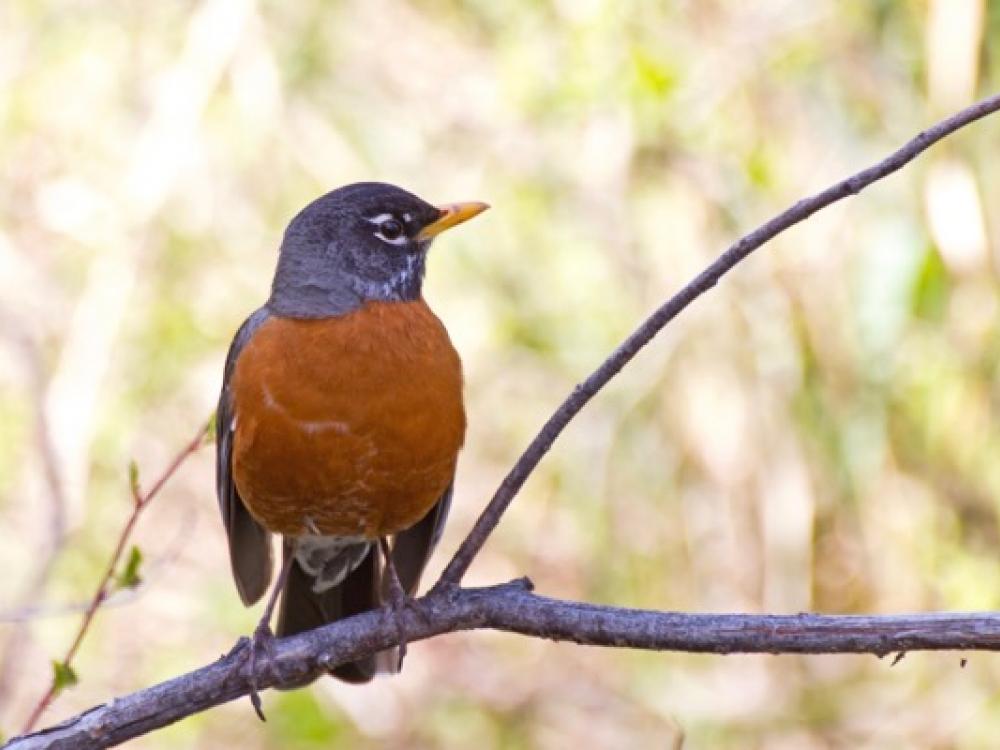
Our February meeting will open at 6:30 for the testing of connections, with a short chapter update by our president, Rodney Thomas, at 7:00, followed by our February presentation. We will return to our regular hybrid meetings in March, with attendance available via Zoom and at the Heard.

The February meeting is on “Gardening for Birds with Native Plants“, presented by Jane Tillman. Jane will explore the ways you can enhance your landscape or local greenspace for birds and other wildlife using native plants. You will deepen your understanding of various backyard birds’ preferences for food, shelter, and water. Plus, learn how your plant choices, landscaping design, and gardening practices can help birds thrive and bring your landscape to life.

Jane is a past president of the Native Plant Society of Texas, Austin Chapter. Since 2003, Jane has been teaching people how to attract birds to their yards with native plants. She teaches beginning backyard birding classes and gives talks about Central Texas birds and gardening in the Austin community. Jane teaches a Birds of Central Texas class for the local non-profit Lifetime Learning Institute. She also teaches for the statewide Native Landscape Certification Program (NLCP), and she helped create the NLCP Landscape for Birds class. The Zoom link and additional information will be provided in January

About the Region

2026 Fall Symposium Logo

This low-elevations region of Texas extends inland from the barrier islands, about 60 or so miles, and stretches from Brownsville to Louisiana. In total, it covers about 9.5 million acres, with a high point of 150 feet in elevation. More than 1000 species of plants can be found in this region. On the southern end, species more common in Mexico (such as Sabal mexicana) and Central America occur.

The barrier islands provide us with dune systems, and clay flats to the inland side, which have species found in these areas alone. Many plants here, such as Ipomoea pes-caprae (beach morning glory), can be found throughout tropical regions of the globe. I’ve encountered the same species on the beaches of Guam.

Once inland, vast marshes and wet prairies occur. Occasionally, oak (Quercus fusiformis) groves can be found. Common grasses include species of Bothriochloa, Paspalum, and Sporobolus; eastern gamagrass (Tripsacum dactyloides); and switchgrass (Panicum species). Many rivers and creeks cut through the Gulf Prairies, and along these riparian areas various species of trees, Sabal minor, and other plants adapted to clay soils can be found. Due to overgrazing, farming, and fire suppression, woody species such as mesquite (Prosopis glandulosa) and huisache (Acacia farnesiana), and invasive species such as chinaberry (Melia azedarach), Brazilian pepper (Schinus terebinthifolius), and Chinese tallow (Sapium sebiferum) have increased and displaced our native flora.

Source: Wildflowers of Texas by Michael Eason