NICE! Plant of the Month
(Quercus polymorpha)
Family:
Fagaceae
Other Common Names:
Mexican or Netleaf White Oak
Type:
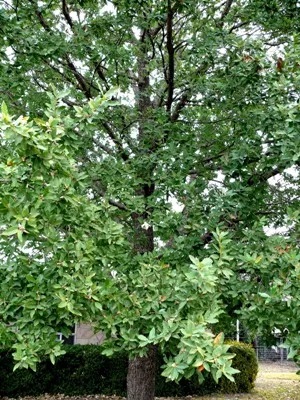
Moderate sized shade tree, late deciduous, nearly evergreen, resistant to Oak Wilt
Natural Habitat:
Native to one county in Texas near the Big Bend area and throughout Mexico into Guatemala (USDA Plant Profiles); potential for unreported native populations
Growth:
Moderate to rapid depending on site and conditions, reaches ~ 40 ft tall and wide
Deer Resistance:
Protect trunks of all young trees from deer rubbing; young leaves browsed
Wildlife:
Acorns eaten by wildlife, especially by small mammals and large birds
Light Tolerance:
Full sun best but partial shade tolerated
Flowers:
Inconspicuous, green, mid-season, male and female flowers on same tree
Fruit:
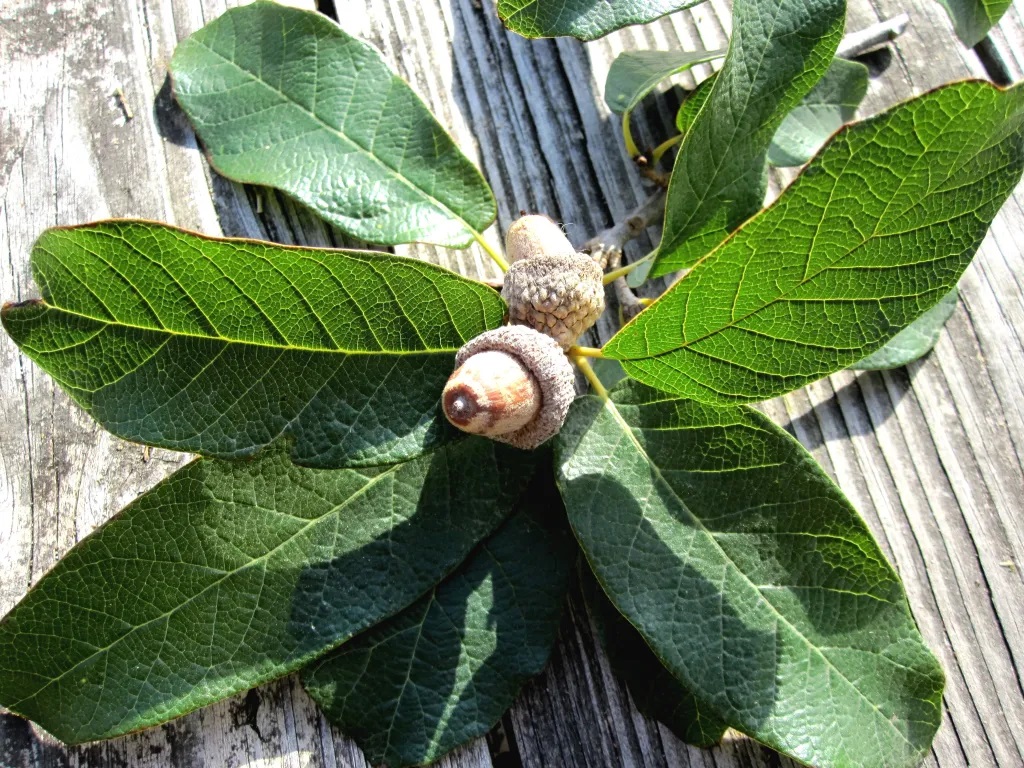
Acorns, slightly oval to round, purplish to dark brown when ripe
Leaves:
Leathery, irregular oval with wavy edges, persist into winter, new leaves pinkish cast
Water Requirements:
Moderate during establishment then fairly drought tolerant
Soil Requirements:
Alkaline soils, pH >7.5 but adapts to most well drained clays or loam
Planting Instructions:
Space specimen plants 35-40 feet apart or closer for woodsy look. Dig a hole at least two times wider than, but the same depth as the root ball in the nursery container. Sides of the hole should be irregular, not smooth. Remove plant from container, taking care to support the root ball. Loosen exterior roots gently with your fingers. If the plant is root-bound and cannot be loosened by hand, the outer roots must be cut in several places ensuring no roots later grow around the trunk to girdle the tree. Lift the plant by the root ball and place into the hole. Backfill hole, using soil that was dug out. Do not add any soil to the top of the root ball, and ensure the root flare is visible. Gently firm the backfill soil with your hands, but do not tamp it down. Place 3-4 inches of mulch over the root ball, bare soil and several feet around the tree to discourage competition for water and nutrients, but do not allow mulch to touch the base of the plant.
Watering Instructions:
Water deeply after planting to settle soil around roots and remove air pockets. Then every 7-10 days, as needed, through the first growing season. Before watering, check for soil moisture at a depth of an inch or two at the edge of the root ball. Skip a watering after a rainfall of ½ to 1 inch. Maintain this watering schedule until the first fall if planted early spring. Reduce watering during the cool fall and winter months to once a month unless planted during the fall when weekly watering will be necessary. In a “normal” year, no watering may be necessary during the second fall and winter, but during a dry period, monthly watering will be needed. Second Spring and thereafter: Water monthly only during periods of drought. Once well established, natives will survive with little supplemental irrigation.
NICE! Tip:
This is an excellent landscape tree with a similar appearance to replace Escarpment Live Oak without the high susceptibility to Oak Wilt. Note: Many trees offered for sale may be hybrids with other oaks like Burr, Chinquapin or even Red Oak. Hybridization may lead to less resistance to insects, disease and drought than occurs in the pure strain. Investigate plant source before purchase.
Look for the NICE! Plant of the Month signs and information sheets on your next visit to a participating Boerne nursery. And thank you for supporting native plants by using them in your landscapes.