

Native Plants – The Drought Survivors
“Priam saw him first, with his old man eyes.
A single point of light on Troy’s dusty plain.
Sirius rises late in the dark, liquid sky.
On summer nights, star of stars,
Orion’s Dog, they call it brightness
Of all, but an evil portent, bring heat
And suffering humanity.
Achilles’ bronze gleamed like this as he ran.”
Homer, The Iliad
As Sirius, The Dog Star, rises in the pre-dawn sky, laying the path for the sun to follow, the ancient Greeks believed it to be the source of the scorching heat and droughts of summer. Here in North Texas, day after day, the relentless summer sun bakes the Blackland Prairie soil, sucking the last drop of moisture out of the ground. The ground, in turn, responds by shrinking, forming large, deep cracks in the face of the Earth. A dry southerly breeze, feeling like a blast furnace, blows through the landscape, coaxing out the last drop of moisture out of the sunbaked land. The plants, wilting and slowly dying, say goodbye to summer.
Tough Times in Texas
Welcome to the “Dog Days of Summer”, Texas style. This is a tough time in Texas, whether you are a plant or animal. This summer has been especially cruel, compared to the last few summers. As of this writing, we have had 35 days of one hundred plus degree temperatures and 54 days without a drop of rain. And we still have about 50 days of summer left!
Laughing at Droughts
Despite the severity of this summer, not all is lost if you have a native landscape. Granted, the landscape does not have the vibrant colors we are accustomed to seeing at this time of year, but the plants are still alive. The native plants are laughing at the “Dog Days of Summer” saying “Suck all the moisture out of the ground, my roots go deeper than you can reach.”
Thriving in the Heat
I surveyed my yard and open spaces to see which plants are beating and thriving in the heat of summer. This is what I found:
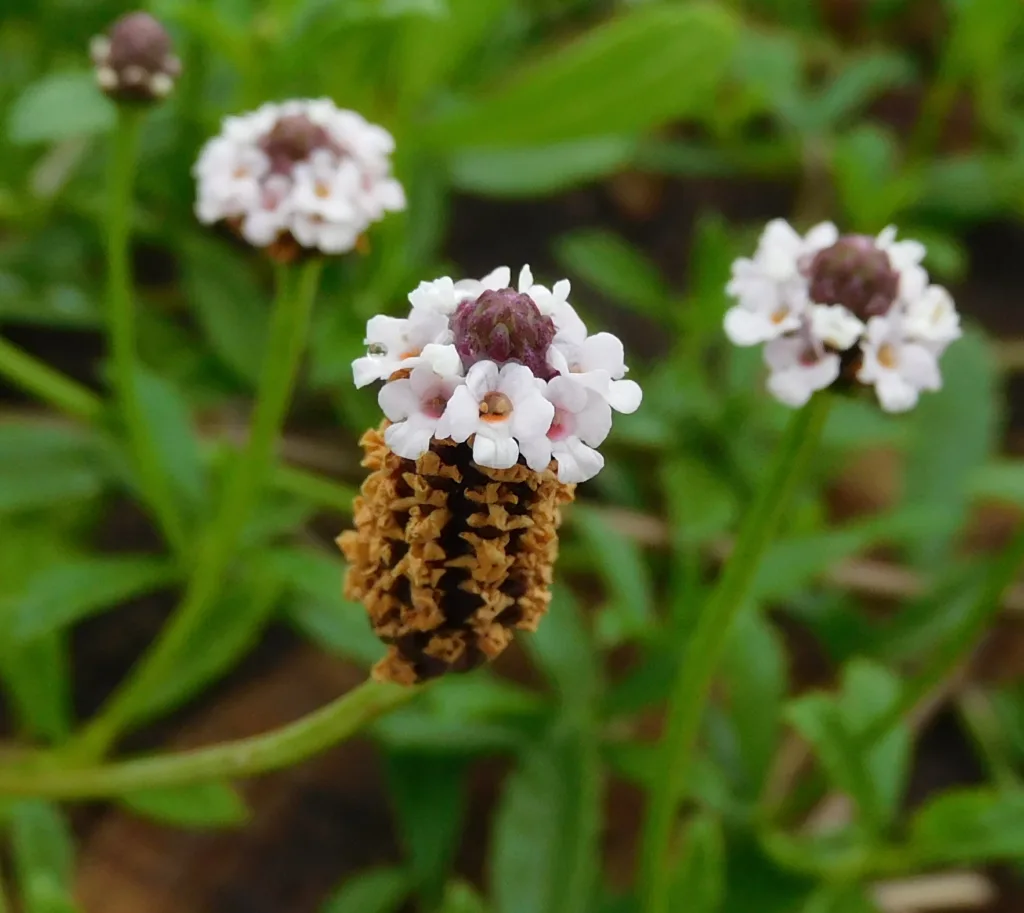
- Texas Frogfruit (Phyla nodiflora) – It is still in full bloom, with plenty of small pollinators working the flowers.
- Turk’s Cap (Malvavicus arboreus) – It does not have as many blooms as the past summers, but it still has a lot of flowers, and it is one of the few plants blooming for hummingbirds.
- Texas Lantana (Lantana urtciodes) – Full of blooms with pollinators abound.
- Wild Bergamot (Monarda fistulosa) – These are volunteers of unknown origin. It is a good pollinator plant for bees.
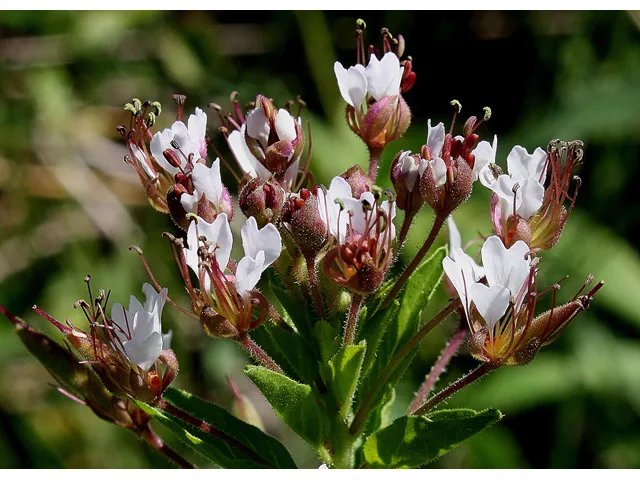
- Redwhisker Clammyweed (Polanisia dodecandra) – A volunteer from Bill Freineit via The Heard Plant sale. I do not know much about this plant, but it thrives in hot, sunny location. I am not sure what pollinates it, but something does because it is full of seedpods.
- Annual Sunflower – (Helianthus annuus) – Another volunteer which I usually pull or thin out. This summer, I let them grow since I had a lack of color in the backyard and the bees were all over them. And come this fall/winter, the House Finches and Goldfinches will be all over them too. Drive by any disturbed land in the Metroplex, and you will find these growing. This is one tough, hardy plant.
These were my 6 most successful plants in the yard this summer. Most of the other plants have gone dormant or stopped blooming, just patiently waiting for rain. My neighbors are complaining their water bills have doubled or tripled this summer; I have watered four times since May. This is why we plant natives; maybe they will understand now. It is because we live in a land “where rainbows wait for rain” (Native American proverb).
