

“If something is not eating your plants, then your garden is not part of the ecosystem.” Unknown
Why do we want our native plants eaten? We worked hard for these plants and probably paid good money for some of them. It is not so much we want our plants eaten, but we know that is going to happen when we design a garden with native plants.
That is part of nature – that is an ecosystem. I know you have all seen the signs in the garden section of stores advertising a new cultivar of a non-native (or native) plant that is “98% pest-free”. Great. When you fill your yard with these non-edible plants, you have just created a suburban desert.

Human’s Dependence on Insects
A few studies have been done showing the decline in insect biomass in cities. A study in Germany found a 75% decrease in insect biomass with a corresponding decline in the biomass of birds, frogs, and lizards. Why should we be concern with a few less insects, arthropods, frogs, and lizards? In short, preserving insects will help save mankind and the planet. How, you may ask?
As biologist E. O. Wilson said about insects “…the little things that run the world.” Declines in the population of insects are symptomatic of a much larger problem with the ecosystem in which we live. Without our insect pollinators, we would lose 65% of our food supply. We, along with the other animals we share the planet with, would have a very hard time surviving without them.
Start with a Small Transformation
What can we do? In Doug Tallamy’s book, Nature’s Best Hope, he proposes individual home / landowners transform their properties into something that resembles the surrounding ecosystem. If we all could replace a few non-natives with native plants or add a few natives into the garden, this will tremendously improve the ecosystem for our six-legged friends.
Little Chickadees’ Big Appetites
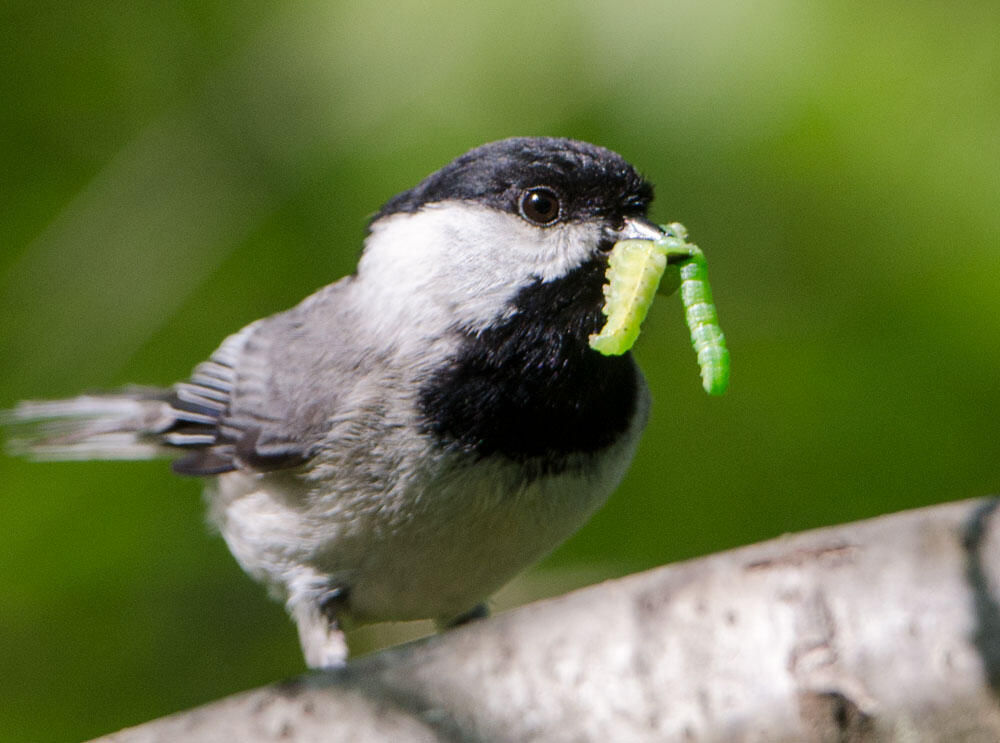
One does not realize the sheer numbers of insects needed to support a health ecosystem. As Tallamy points out in his book, a pair of Chickadees, to successfully raise one brood of chicks, will need from 6,000 to 9,000 caterpillars. That is a lot of caterpillars!
And that is just one pair. Think of all the other creatures feed on those insect eggs, larva, or caterpillars. And the environment needs some of those insects to survive to adult stage so we can have pollinators.
Unfortunately, your box store non-natives or genetically modified native plants are inedible to most insects and do not contribute to the environment. When was the last time you saw a caterpillar munching away on a Bradford Pear, Nandina or Privet? And because not much eats these non-natives, they can escape into the wild and crowd out the natives, compromising the ecosystem even more.
Encourage Ecosystem Education
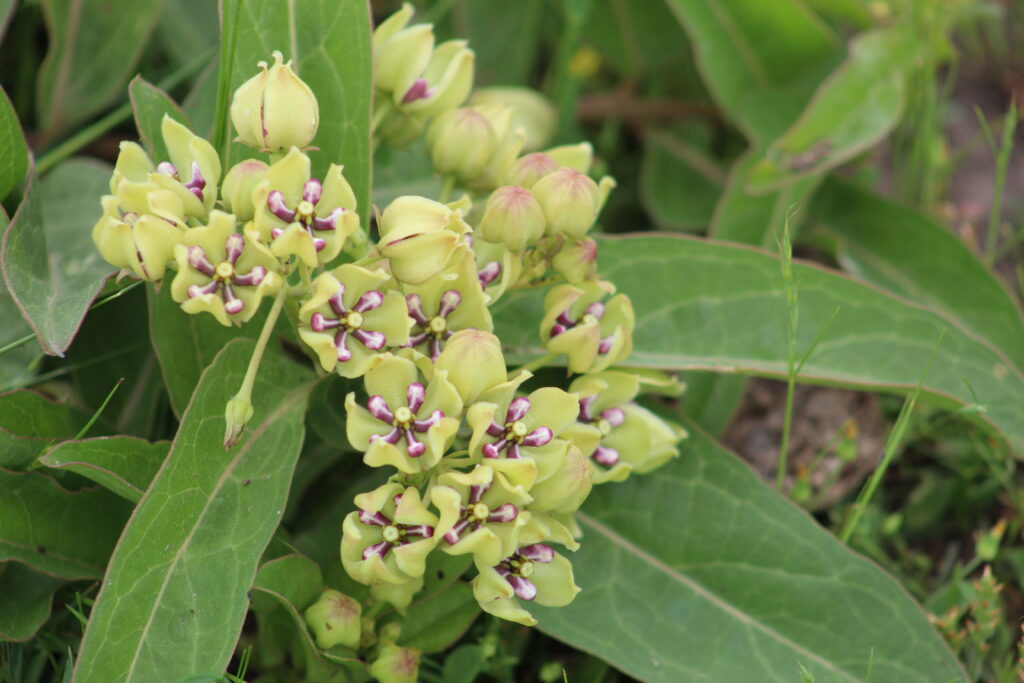
We, at NPSOT, encourage everyone to include native plants in your landscape to help, not only the insects, but many other issues that will be discussed in future articles. And when you see your lone Green Milkweed (Asclepias viridis) stripped of it leaves – smile – knowing you are part of the solution. Educate your neighbor to not freak out when they discover their oak tree has one of the 534 species of insects or caterpillars that use it as a host plant. Or, like my neighbor, who planted Tropical Milkweed because someone told her it was good for Monarchs. She was spraying it with insecticide because there were these big worms eating her “Monarch” plant. I had to gently explain those giant worms were, indeed, Monarch caterpillars and it was okay for them to eat the plant. Those nine caterpillars sacrificed their life for a lesson in how the ecosystem worked.
I encourage everyone to go to your local native plant sale this spring and buy as many different types of plants as your yard can tolerate. Join your ecosystem, sit back, and let the feast begin.
