

As a follow-up to our earlier article on native bees, we would be remiss if we did not point out a great resource – the Texas Native Bee Co-op. The Co-op is an effort to promote the conservation, promotion, and management of native bees.
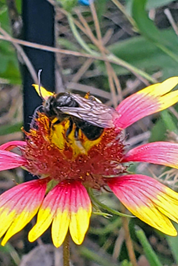
We discussed in the earlier post, the reciprocal and indispensable connection between native plants and native bees. Accordingly, the Native Bee Co-op site states:
“Native bees are critical to native plant reproduction and ultimately, are key players in the maintenance of Texas’s natural ecosystems. A significant number of native plants pollinated by these bees produce fruit, nuts, or seeds that thousands of animal species depend upon for food…”
The Co-op’s Origin
Michael Warriner, then with the Texas Parks and Wildlife Department (TPWD), started the site in 2012. It grew out of discussions he had with landowners on how to better manage their land to support the native bee population. At that time, there were far fewer resources available regarding Texas’ native bees. The objective of the Co-op was to create a site for the sharing of information, highlighting native bees’ importance to society and the ecosystem, and promoting conservation efforts to help ensure their survival.
While Michael has moved on, the site is alive and well, and now managed by Carol Clark. The site is not an official TPWD page but serves as an informal information gathering source for TPWD to better understand populations and locations of native bee species.
An Educational Co-op
Befitting its name, the site serves its users as an open and cooperative resource on many aspects regarding native bees. A team of experts helps address questions on a variety of topics, including:
- Species identification
- Behavior
- Relationship with plants
- Habitat
- Threats
For all nature enthusiasts, the Co-op is a great resource for learning about native bees and sharing information on sightings. Plus, anyone can share sightings of native bees. It also offers up interesting facts, and as hinted in our title, has fantastic pictures and videos of our native bees.
Regarding the current goals of the Texas Native Bee Co-op, Carol stated, “We want to continue being a knowledge center for native bees, whether the user is a beginner or an expert. This includes providing support for the identification, awareness, observation, and conservation of our native bees. We are also putting a great deal of emphasis on education and are available to present to K-12 grades, colleges, NPSOT chapters, and other nature-focused groups.”
Below are some additional resources available on native bees:
- Texas Bumblebees (spin-off of Native Bee Co-op)
- Pollinator Partnership
- Xerces Society – Invertebrate Conservation
- The Bee Conservancy
- Wildflower Center – Special Plant Collection – Native Bees
How You Can Help Our Native Bees
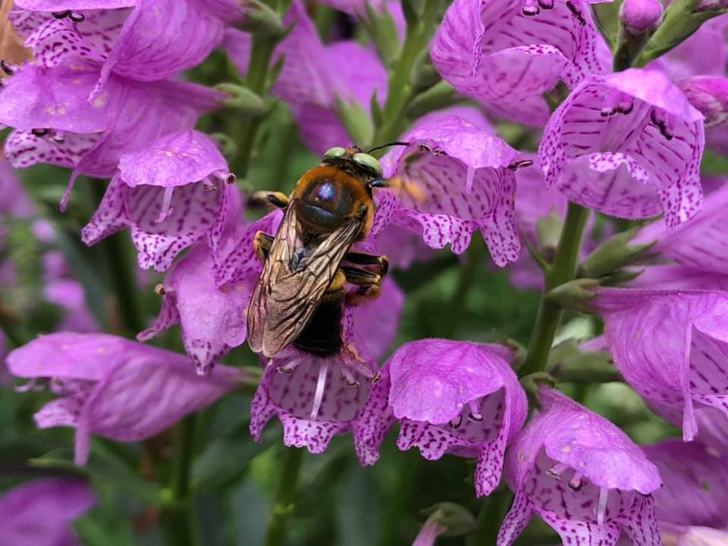
Our native Texas plants are highly dependent on our native bees. Their unique relationship has evolved over millennia to benefit both the bees and the plants. In your landscape, you can help by providing bees with the following:
- Variety of native plants
- Native sources for nectar and pollen
- Consistent water supply
- Shelter, nest sites, and materials for nesting
- Protection from pesticides
While we have many species of native bees in our state, they are declining in numbers and range. Some native species now cover only 5% of their former range, making their survival precarious. Unfortunately, a combination of habitat loss and fragmentation, diseases, and parasites have negatively impacted native bees in Texas. Using native Texas plants in your landscape can help reverse this decline and ensure native bees’ continued survival.

