Lakes and Pines Chapter

Welcome to the Lakes and Pines Chapter
of the Native Plant Society of Texas

Founded in November of 2023, the Native Plant Society of Texas Lakes and Pines Chapter promotes research, conservation, and utilization of native plants and plant habitats of Texas through education, outreach, and example.

With towering pines and hardwoods, rolling hills and prairies, and lakes too numerous to count, our Chapter includes Wood and surrounding Northeast Texas counties and takes in two Level 3 Ecoregions: the East Central Texas Plains and the Western Gulf Coastal Plain. 

  Native Plants . . .

  • Have grown and survived here for over 500 years
  • Are drought-tolerant, naturally conserving our precious water resources
  • Don’t need special pampering or fertilizing
  • Are natural to their ecosystem: Texas has over 5000 native plants but very few grow state-wide
  • Help us maintain biological biodiversity
  • Provide habitat and food for birds, butterflies, bees and other wildlife

Texas Native Plant Database

Find the Perfect Texas Native Plant for Your Landscape HERE!

Lakes and Pines Chapter Meetings and Events

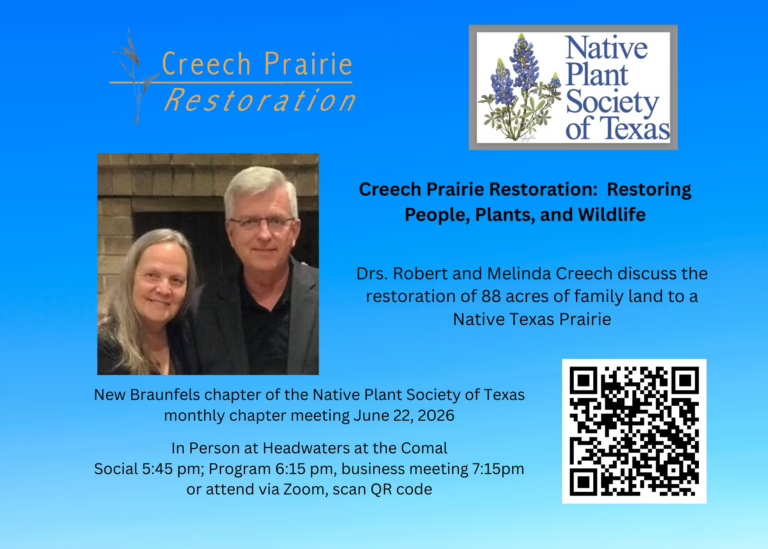
Our meetings are in person and open to the public. Chapter Meetings are generally held at 1:30pm on the first Wednesday of the month.

• 1:30PM – Greeting friends old and new

• 2:00PM – Meeting begins, starting with a special presentation about native plants or related topics followed by a brief business meeting.

• Monthly Doorprizes – Really cool items are being donated by our members for doorprizes. 

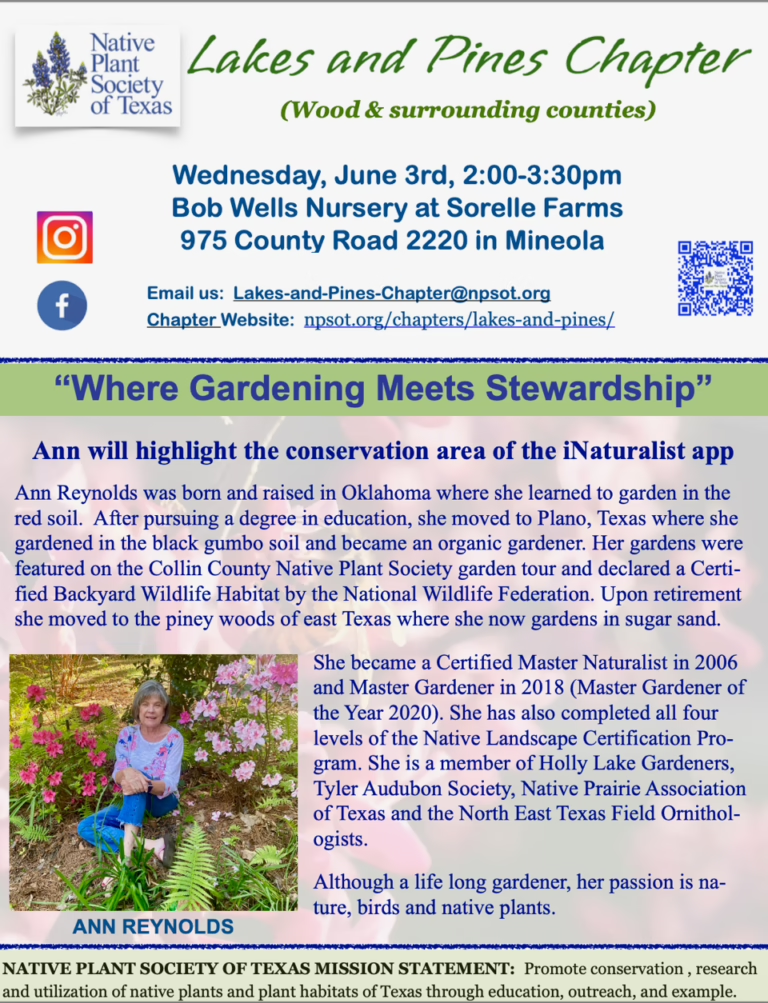
We currently meet at Bob Wells Nursery @ Sorelle Farms located at 975 County Road 2220 in Mineola, TX.  Join us and bring a friend!

If you are interested in the Lakes & Pines Chapter Newsletter, you've come to the right place!

Sign up here to have our incredible newsletter delivered to your email inbox every month.

Learn all about our NPSOT Lakes and Pines Chapter activities. See what our members are doing to incorporate native plants in their landscape. Discover ways you can make a difference in creating a beautiful, low-maintenance, environmentally friendly landscape.

Can’t remember the details about a Lakes & Pines event from a few months ago? You can always refer back to our informative monthly newsletter archives here.

Lakes and Pines News

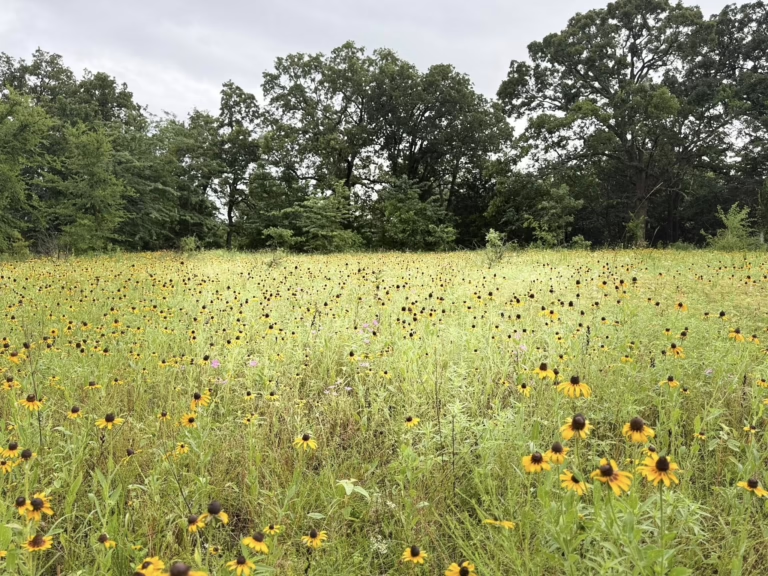
June 12 Lakes & Pines Garden Tour – Riverby Ranch

On June 12 Lakes and Pines chapter members had the pleasure of visiting Brandon Hall’s Riverby Ranch in Cumby, Texas. He is working hard to convert the non-native plants to native. It was so much fun that we stood in the rain and talked about the ecoregion and its future
Read More »

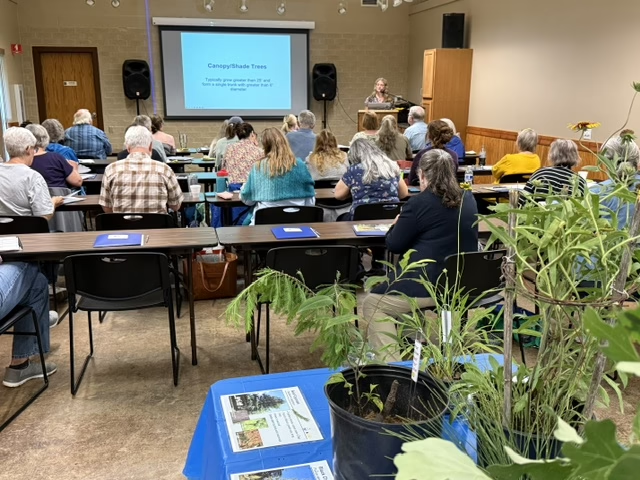
June 6 NLCP Level 1 Class: A Learning Experience!

The Lakes & Pines and Tyler Chapters of the Native Plant Society of Texas hosted the Level 1 Native Landscape Certification Program class at the Tyler Nature Center on Saturday, June 6. Thirty native plant enthusiasts attended the class which focused on Introduction to Native Landscapes and was taught by

Read More »

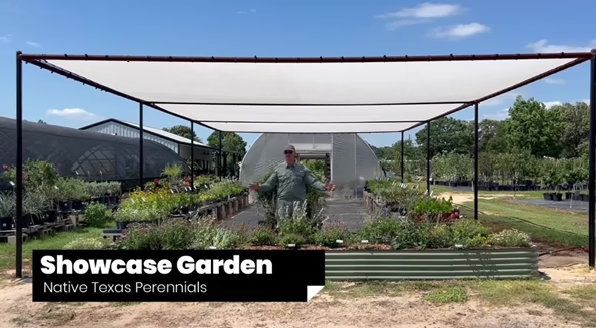
Bob Wells Nursery at Sorelle Farms in Mineola is a NICE nursery!  They are a partner in the NICE (Natives Improve and Conserve Environments) Native Plant Partner program, a collaboration between the Native Plant Society of Texas and local nurseries around the state to offer native plants that are right for the local environment. Click here for more information about the Bob Wells Nursery at Sorelle Farms and be sure to check out the Showcase Garden video above (or on our YouTube site). To search for other area nurseries supporting the NICE Native Plant program click herePLEASE SUPPORT OUR NATIVE PLANT PARTNERS!

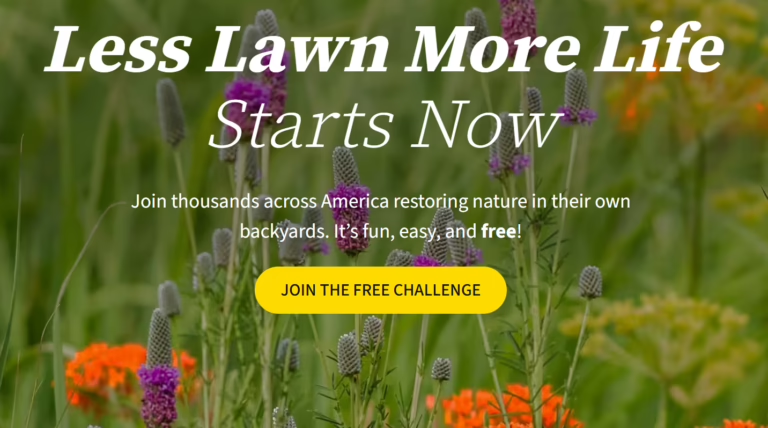
Join thousands across America restoring nature in their own backyards. It’s fun, easy, and free!

Take the free challenge.

See more birds, bees, and butterflies in your yard while shrinking your lawn.

You’ll get 12 weeks of emails with doable steps, expert tips from leaders, a yard health scorecard, and fun rewards along the way. You’ll start by seeing how healthy your yard is today, and finish by celebrating how much it has grown!

This challenge is 100% free, powered by Wildr. We created it because nothing like this existed, and spreading this movement to every yard in America is too important to put behind a paywall.


Check out Wild Thumb, a free app from the Texas Parks and Wildlife Foundation. Growing a few native plants or a pocket prairie is easy with this interactive step-by-step gardening guide. The mission to support pollinators and restore prairies in Texas starts here! Available for iPhone, iPad, and Android.

Adding your garden to the Homegrown National Park Biodiversity Map is now quicker and simpler than ever. This is one of the most impactful actions you can take to help NPSOT showcase the incredible habitat restoration work happening across Texas.

With just a short form and a single email confirmation, your garden will be counted toward our statewide effort to make Texas #1 on the map.

ADD YOUR GARDEN HERE !   Let’s grow native plants for Texas!

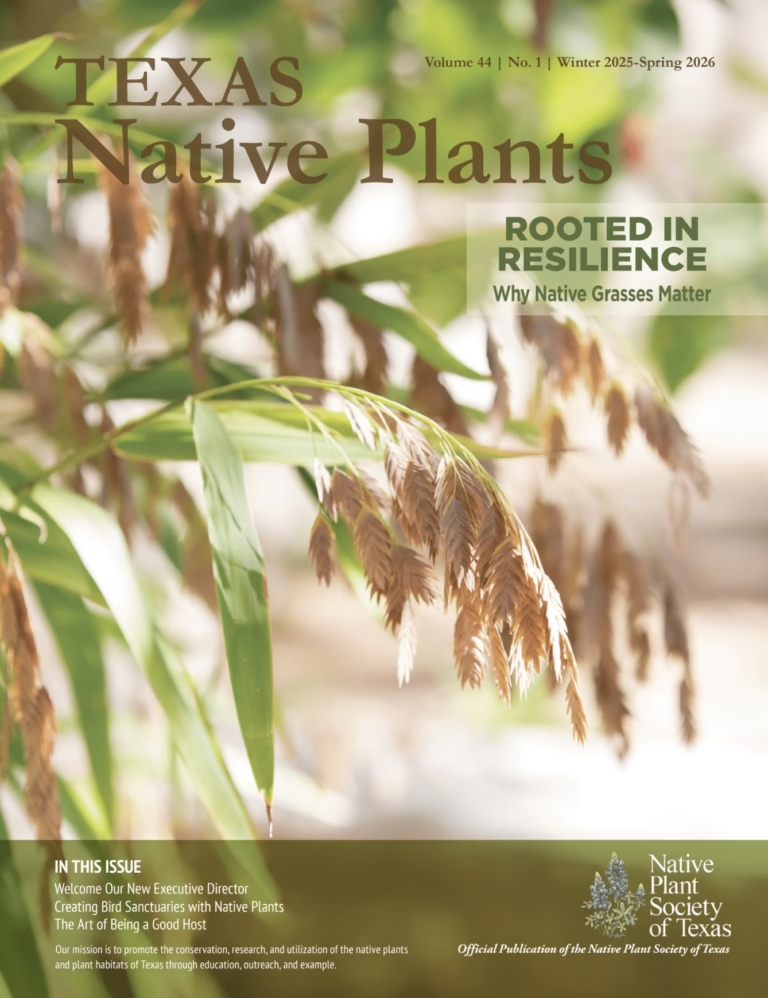
Winter 2026 Texas Native Plants Magazine

The Magazine for Native Plant Society of Texas Members

     In this issue:

  • Executive Update
  • Symposium Recap
  • Native Plant Database
  • Good Host
  • Bird Sanctuaries
  • Native Grasses
  • Making Peace with HOA
  • Member News
  • Early Spring Care
 

Native Plant Society State Virtual Events

These events are generally available on-line, are produced by NPSOT Chapters around the state and are accessible by all members. 

About the Region

2026 Fall Symposium Logo

This low-elevations region of Texas extends inland from the barrier islands, about 60 or so miles, and stretches from Brownsville to Louisiana. In total, it covers about 9.5 million acres, with a high point of 150 feet in elevation. More than 1000 species of plants can be found in this region. On the southern end, species more common in Mexico (such as Sabal mexicana) and Central America occur.

The barrier islands provide us with dune systems, and clay flats to the inland side, which have species found in these areas alone. Many plants here, such as Ipomoea pes-caprae (beach morning glory), can be found throughout tropical regions of the globe. I’ve encountered the same species on the beaches of Guam.

Once inland, vast marshes and wet prairies occur. Occasionally, oak (Quercus fusiformis) groves can be found. Common grasses include species of Bothriochloa, Paspalum, and Sporobolus; eastern gamagrass (Tripsacum dactyloides); and switchgrass (Panicum species). Many rivers and creeks cut through the Gulf Prairies, and along these riparian areas various species of trees, Sabal minor, and other plants adapted to clay soils can be found. Due to overgrazing, farming, and fire suppression, woody species such as mesquite (Prosopis glandulosa) and huisache (Acacia farnesiana), and invasive species such as chinaberry (Melia azedarach), Brazilian pepper (Schinus terebinthifolius), and Chinese tallow (Sapium sebiferum) have increased and displaced our native flora.

Source: Wildflowers of Texas by Michael Eason