Presented by Rowena McDermid
November 8, 2021
Various fall-blooming species
[MUSIC—EASY AND FUN]
[Rowena] In the fall, monarch butterflies are not needing milkweeds to feed their caterpillars. They require nectar-rich fall-blooming plants to feed and build up their lipid stores. Monarchs that migrate through Texas overwinter in the Oyamel Fir forests of central Mexico, although some may remain here in Texas. Although the north-bound migration is a multi-generational effort, the hazardous return journey south is the work of a single generation. There have been well-publicized climbs in overwintering colonies of both the eastern and western North American populations.
Mexican overwintering numbers are counted by the number of hectares of fir trees covered with Monarchs. Last winter, it was just 2.1 hectares. The estimated minimum population level to be out of danger of extinction is six hectares.
The California population is in even more trouble. Last winter, volunteers counted only 1914 Monarch butterflies across 261 overwintering sites.
A growing body of evidence points to the importance of migration mortality as a leading cause of these declines. It is now apparent that resources for the journey to reach the overwintering grounds is just as important as the resources available during the breeding season. Research shows that the Monarchs need to have close to a fifty percent fat load to be able to survive the return migration to Mexico and sustain them through the winter months.
So, what can we do? Planting milkweeds and spring-blooming plants will buffer the monarch population but does not address the migratory mortality. We need to not just plant for the different stages of the monarch life cycle, but for the subsequent generations, too.
A challenge for the home gardener is that native fall bloomers tend to grow tall and look messier than spring plants. Embrace that wild aesthetic. Set aside a place in your berry patch for fall-bloomers. Plant several of a single species together to enjoy a swathe of color and buy and plant them in the spring so that you don’t forget. Easy to grow and Monarch-approved favorites include goldenrod, Frostweed, sunflowers, and Blue Mistflower.
[MUSIC—AND THAT’S IT]
Related Posts

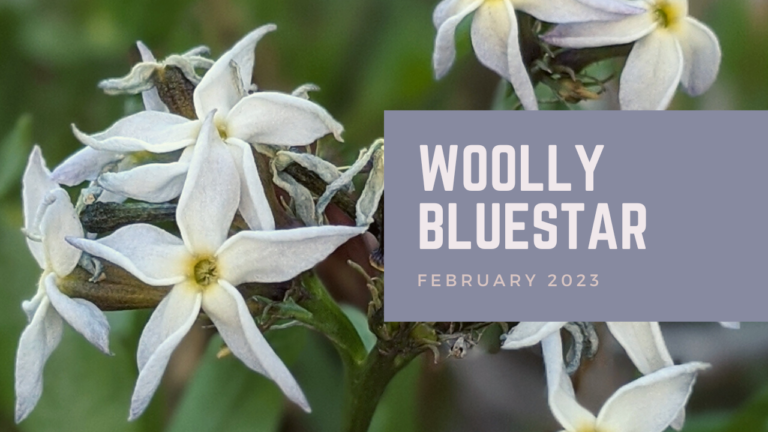
Plant of the Month: Woolly Bluestar
Our Plant of the Month for February 2023 is Amsonia tomentosa, commonly known as Woolly Bluestar, Woolly Amsonia, Small Leaved Amsonia, or Gray Amsonia.
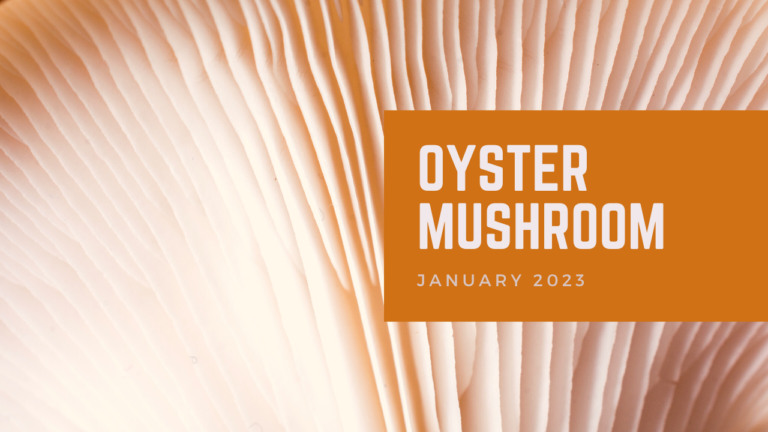
Plant of the Month: Oyster Mushroom
Our plant of the month for January isn’t a plant at all, it’s a fungus!
Botanical name: Pleurotus ostreatus
Common name(s): Oyster Mushroom, Pearl Oyster Mushroom
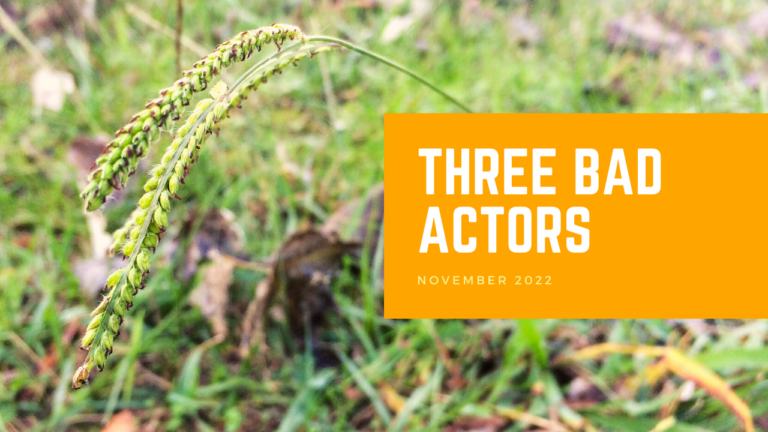
Spotlight on Invasives: Three Bad Actors
Spotlight on Invasives: Johnsongrass (Sorghum halepense), Southern Crabgrass (Digitaria ciliaris), and Dallisgrass (Paspalum dilatatum)