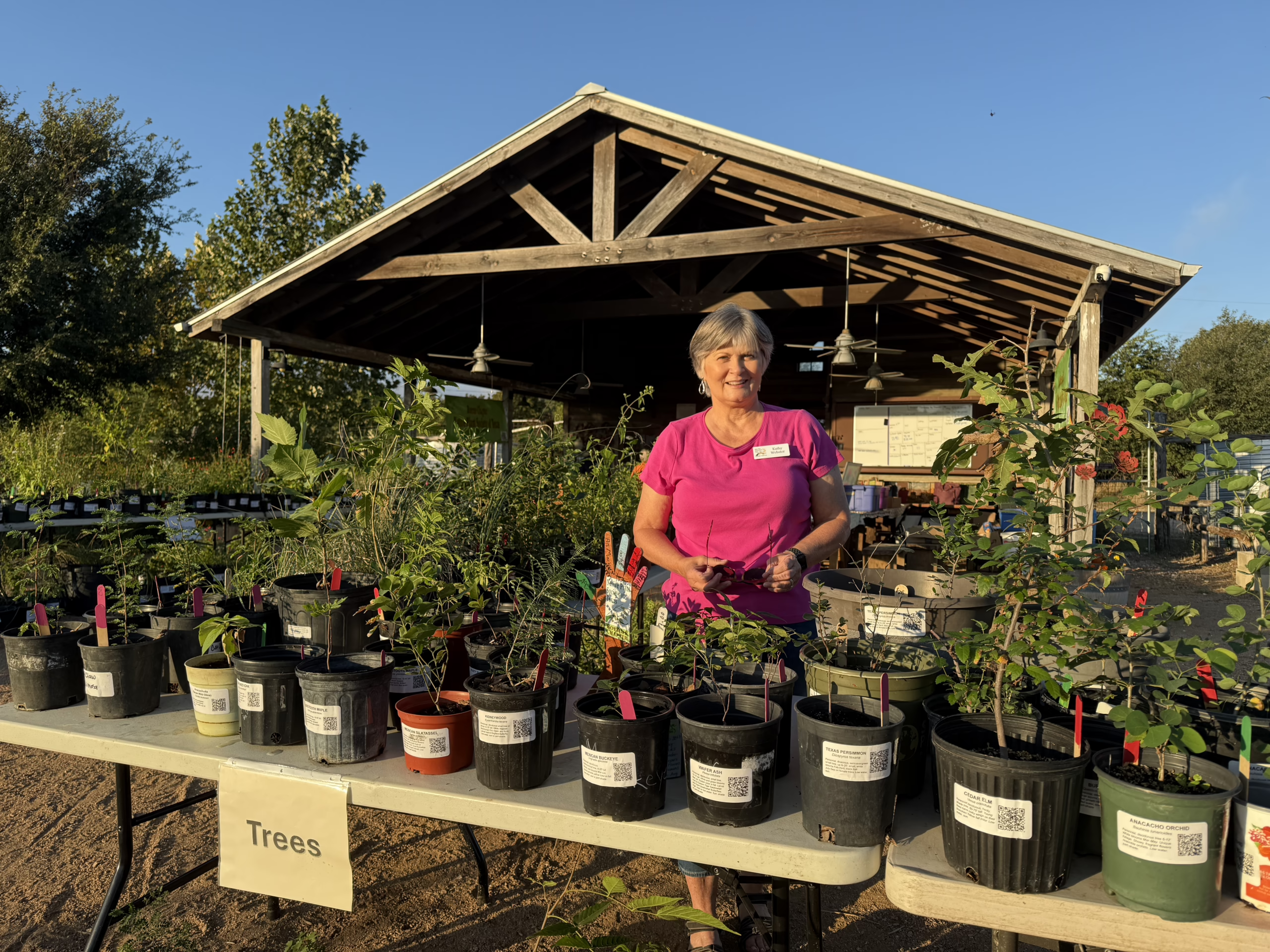
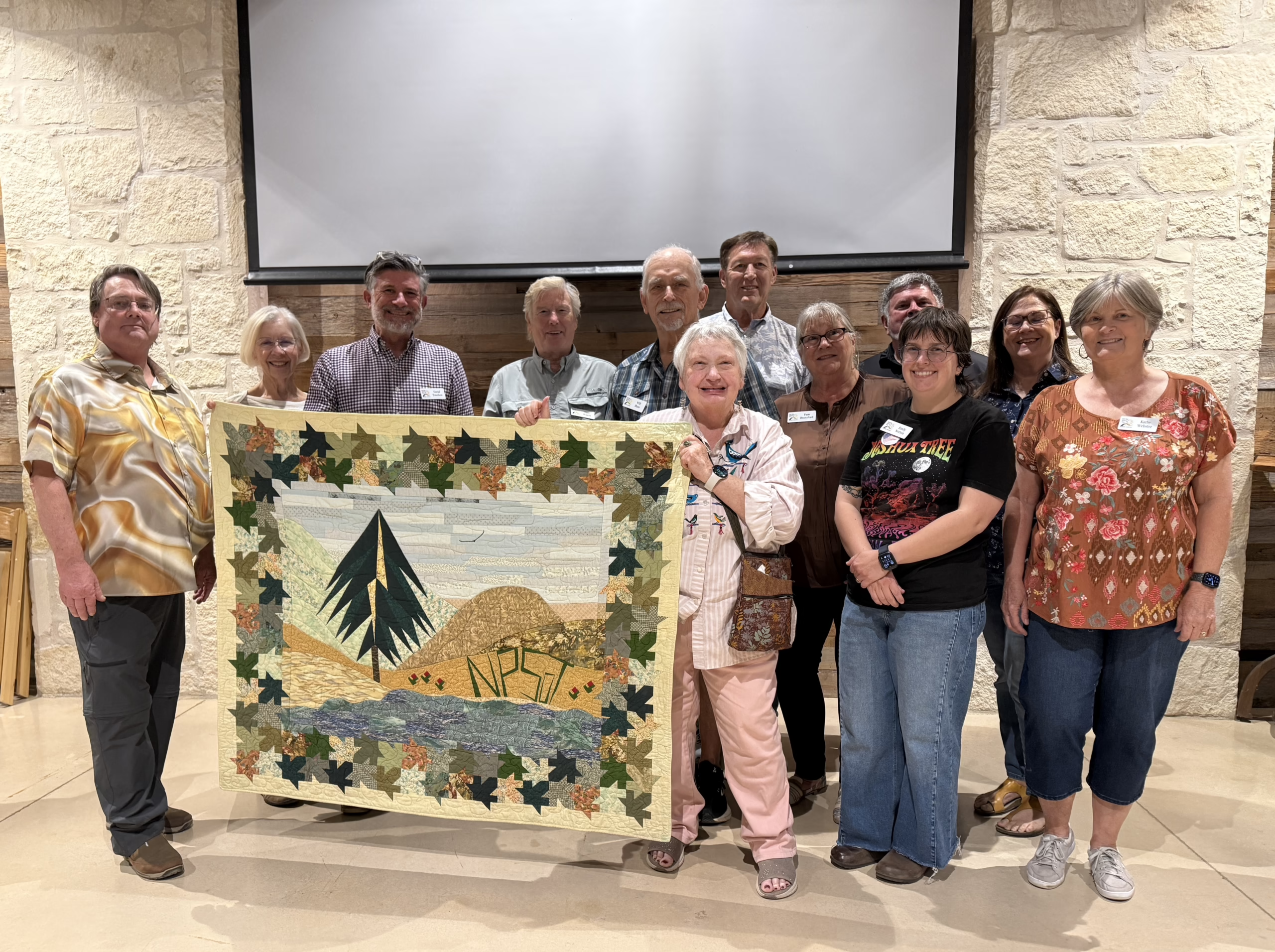
Kathy Webster
NPSOT Member since 2019
Plants are in her blood. As early as age six, Kathy’s grandmother, while watering her plants and flowers, took the time to name them and explain to Kathy their significance in nature. That led to an avid interest in plants. And, the best thing is that she found her people when she moved to Boerne and joined NPSOT. As a teacher, she never had time for volunteer activities so she is living the best life now with friends who are like-minded about conservation of the beautiful Texas Hill Country.
For years, Kathy grew traditional ornamentals. With birdwatching as a hobby, she installed fountains, feeders, bird baths, and hummingbird feeders. She grew non-native plants because she loved the colors that provided the pleasing esthetics just for her benefit.
 Over a period of five years, several things happened. She joined the Native Plant Society/Boerne Chapter and learned all about native plant landscaping. She completed the Texas Master Naturalist Program. She also completed the four courses of the Native Landscape Certification Program. She currently volunteers as a teacher of Levels One and Two. And, she transformed her gardens with native plants.
Her goal was to benefit the populations of birds, bees, and pollinators. She learned what plants to select in order to assist the ecosystem; to attract diverse wildlife. She is a wealth of information from the fact that Monarchs must have Milkweed to feed their larva to the Sphinx Moth loving the Western White Honeysuckle. Biodiversity is extremely important and Kathy studied what native plants are best for what species of pollinators. Do you know the Swallow Tail Butterfly’s favorite plant? What about the Painted Bunting? Kathy is passionate about native plants and will inspire you to consider going native!
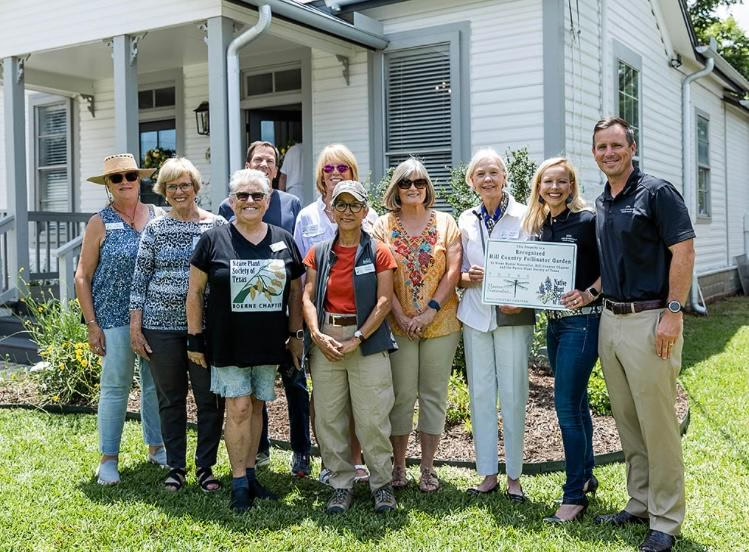
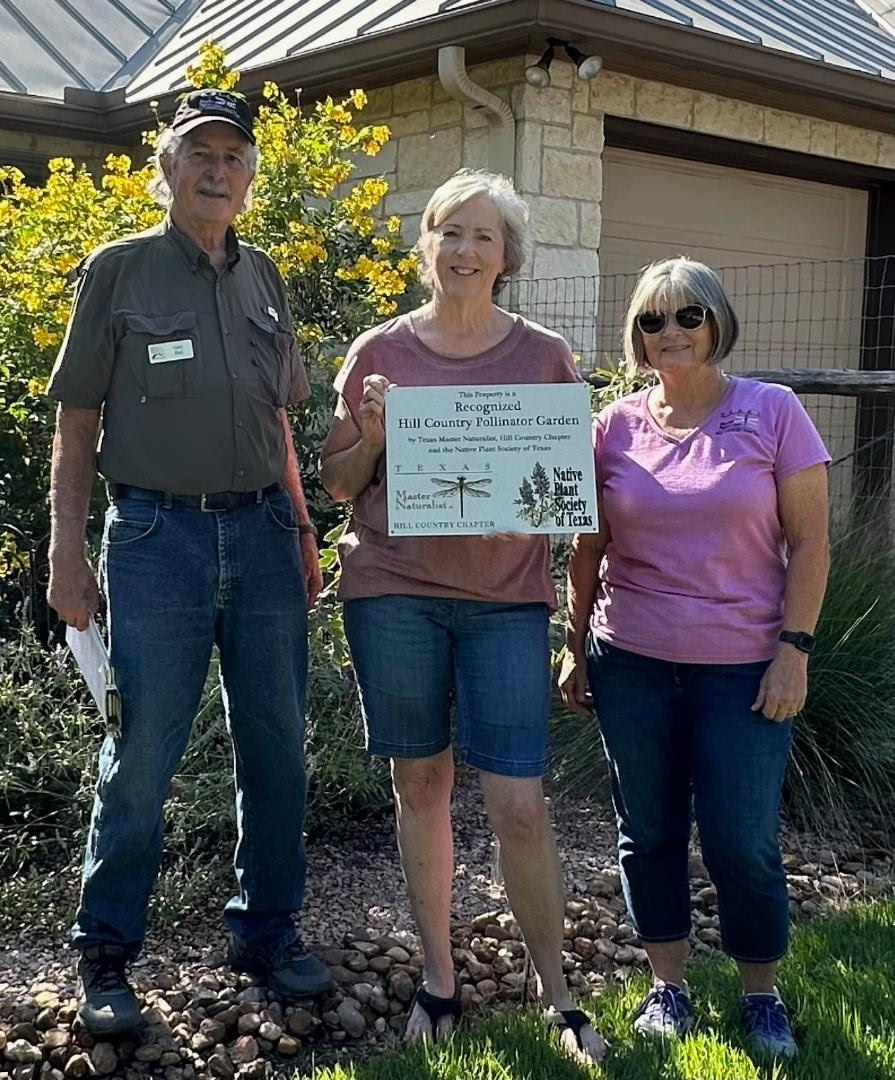
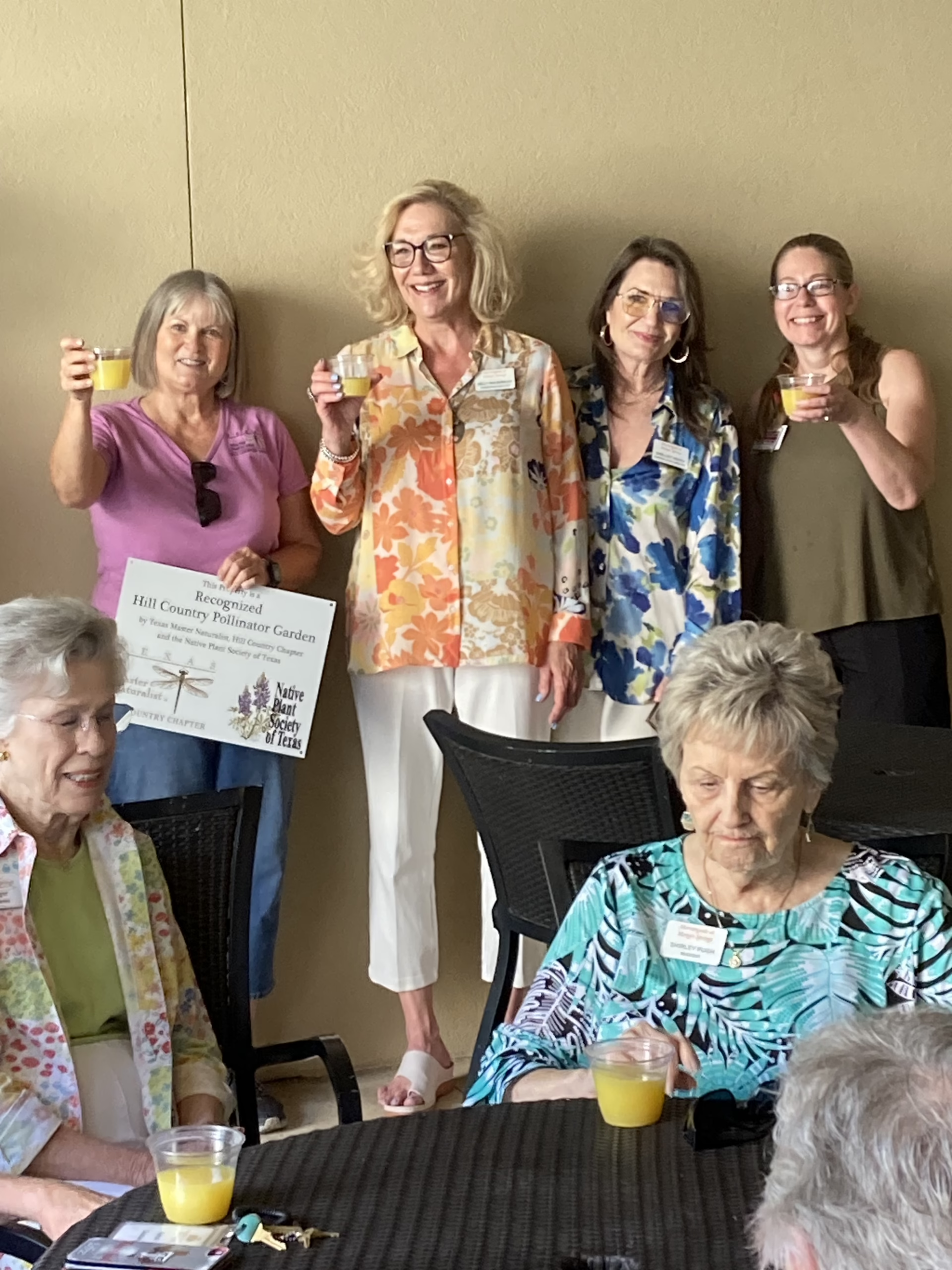
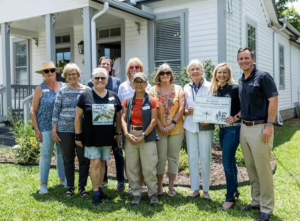 Because of her extensive research into native plants and the benefits for pollinators, as well as learning from her friends in NPSOT, she became a volunteer for the Pollinator Garden Assistance and Recognition Program. There are about 12 to 15 volunteers who work in teams of three in the Boerne and Bandera area to educate homeowners. In fact, after Kathy’s conversion to a native plant landscape, her property was recognized as an official Hill Country Pollinator Garden.
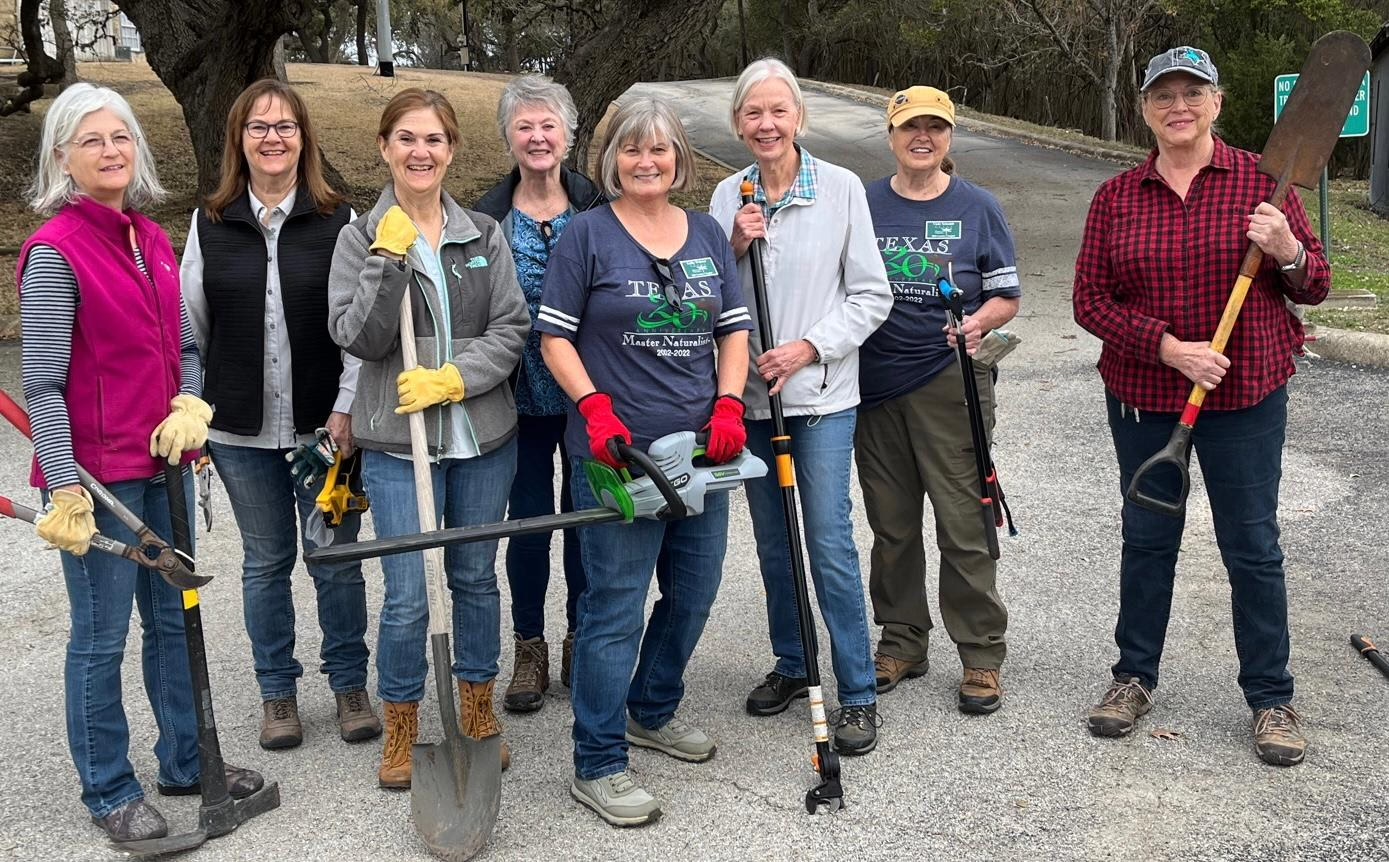
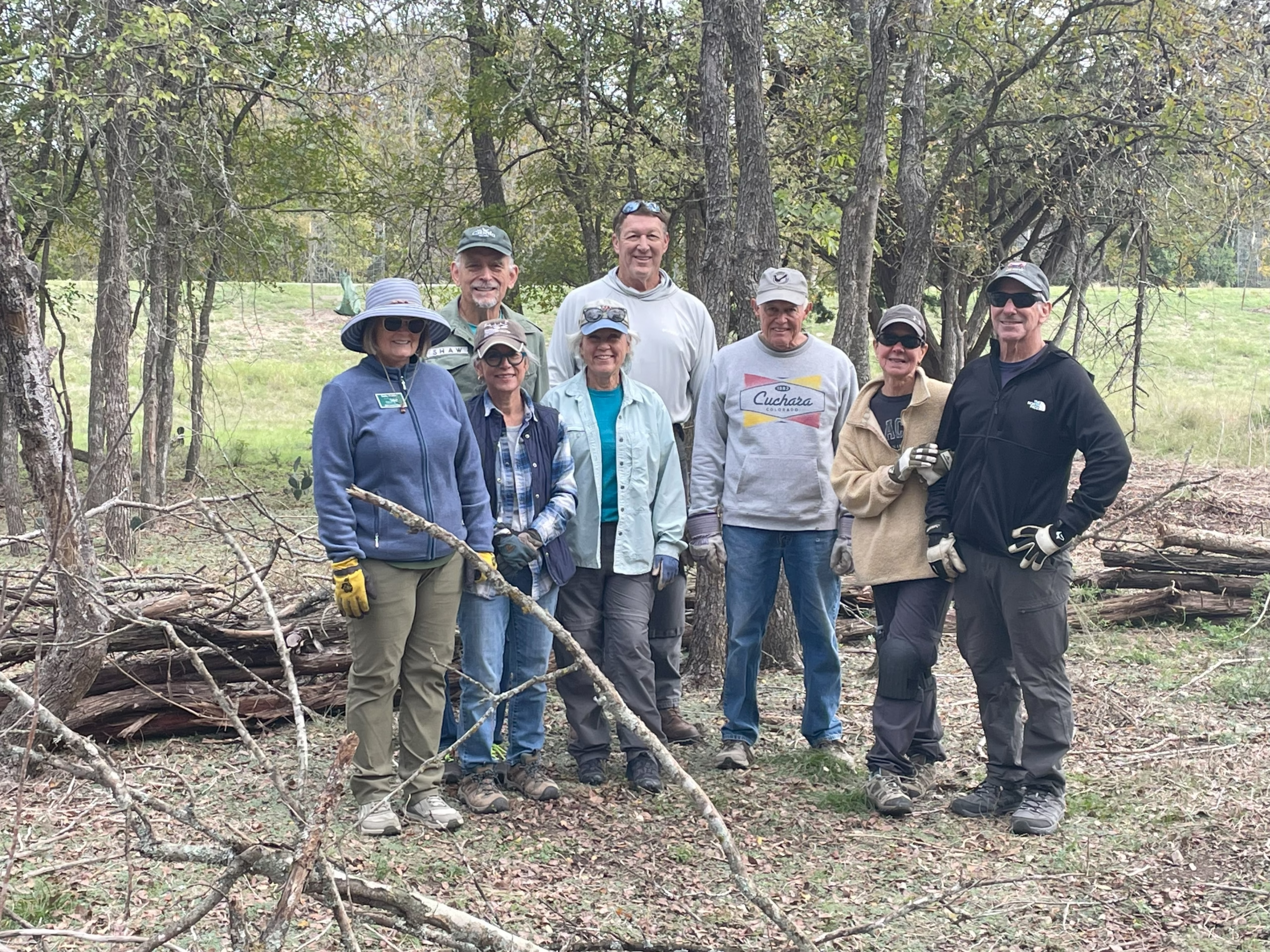
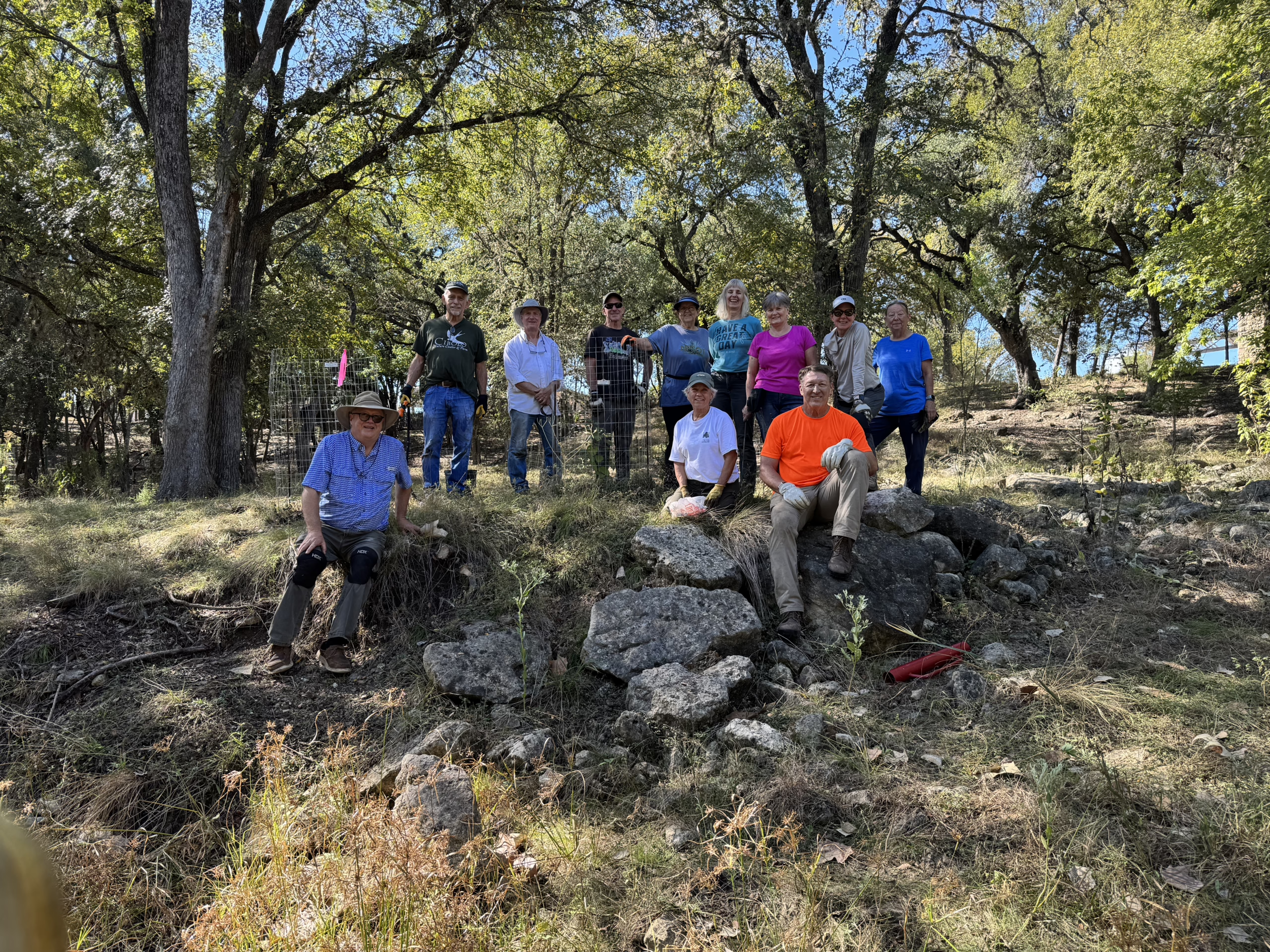
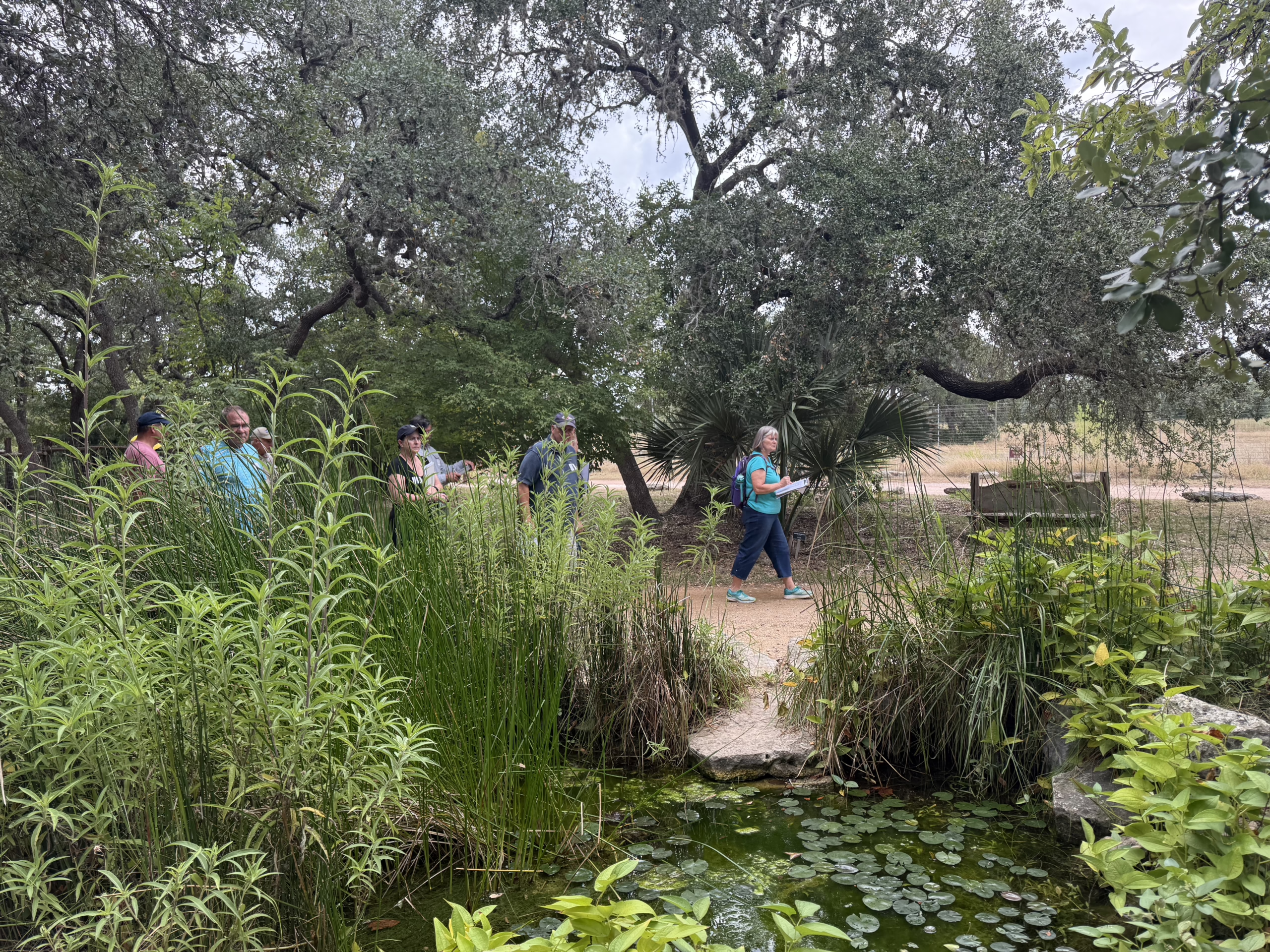
As a long-time birdwatcher, Kathy truly enjoys being on the volunteer team with Patsy Inglet and Ken Butler conducting bird surveys at the Cibolo Center for Conservation. She volunteers at the Boerne City Campus Natural Area and works on the City of Boerne pollinator gardens at the Visitors Center, Main Plaza, and Veteran’s Plaza.
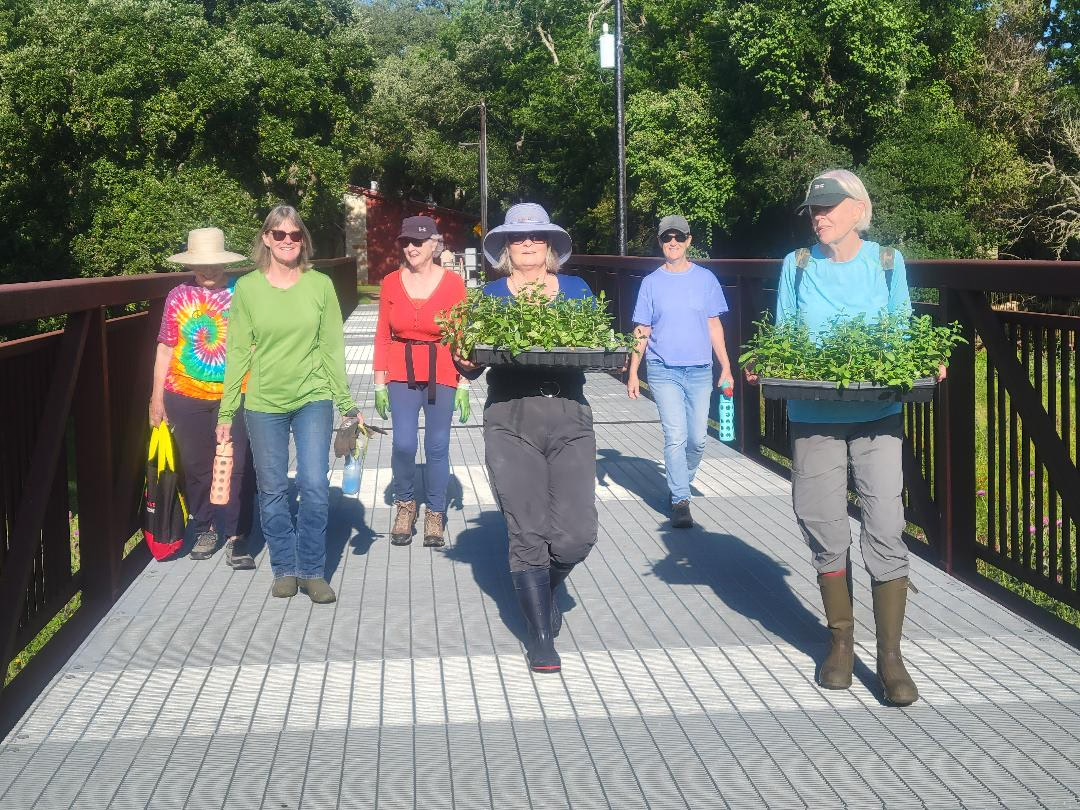
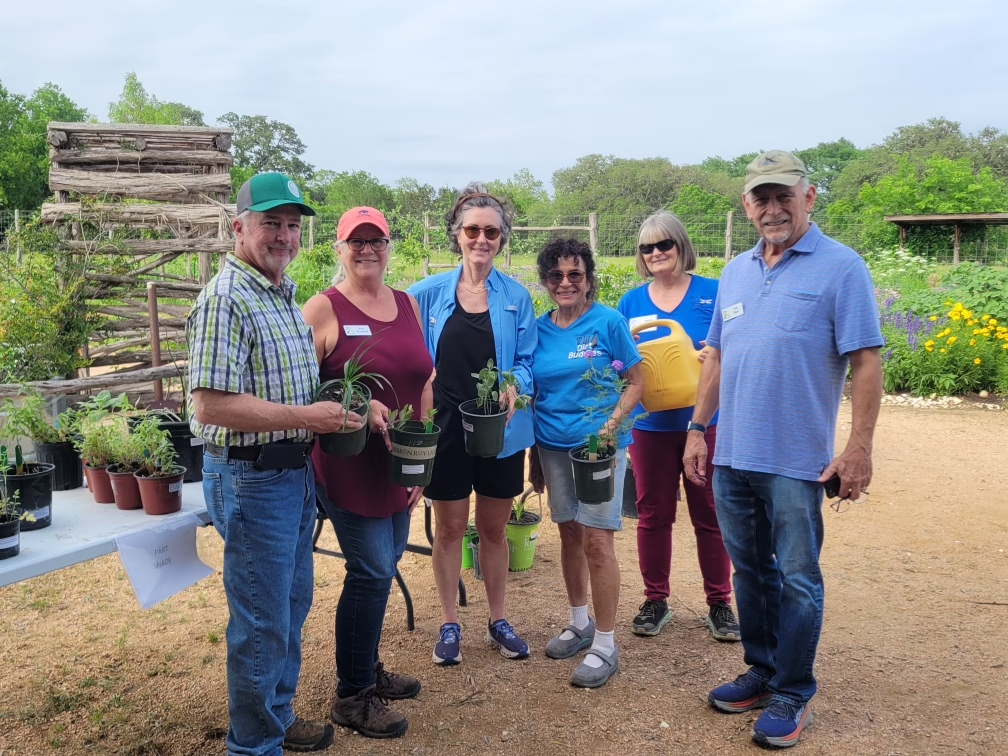
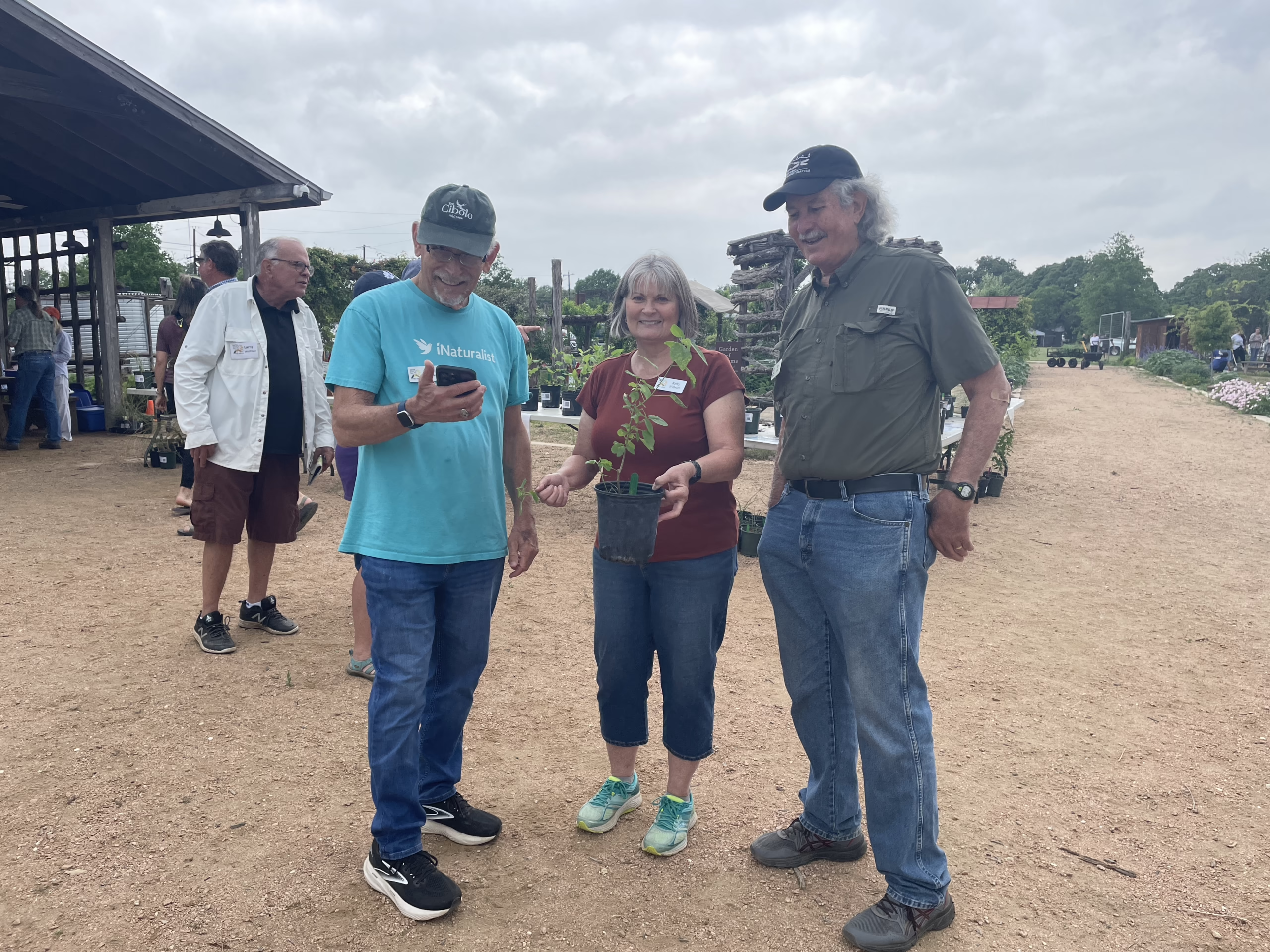
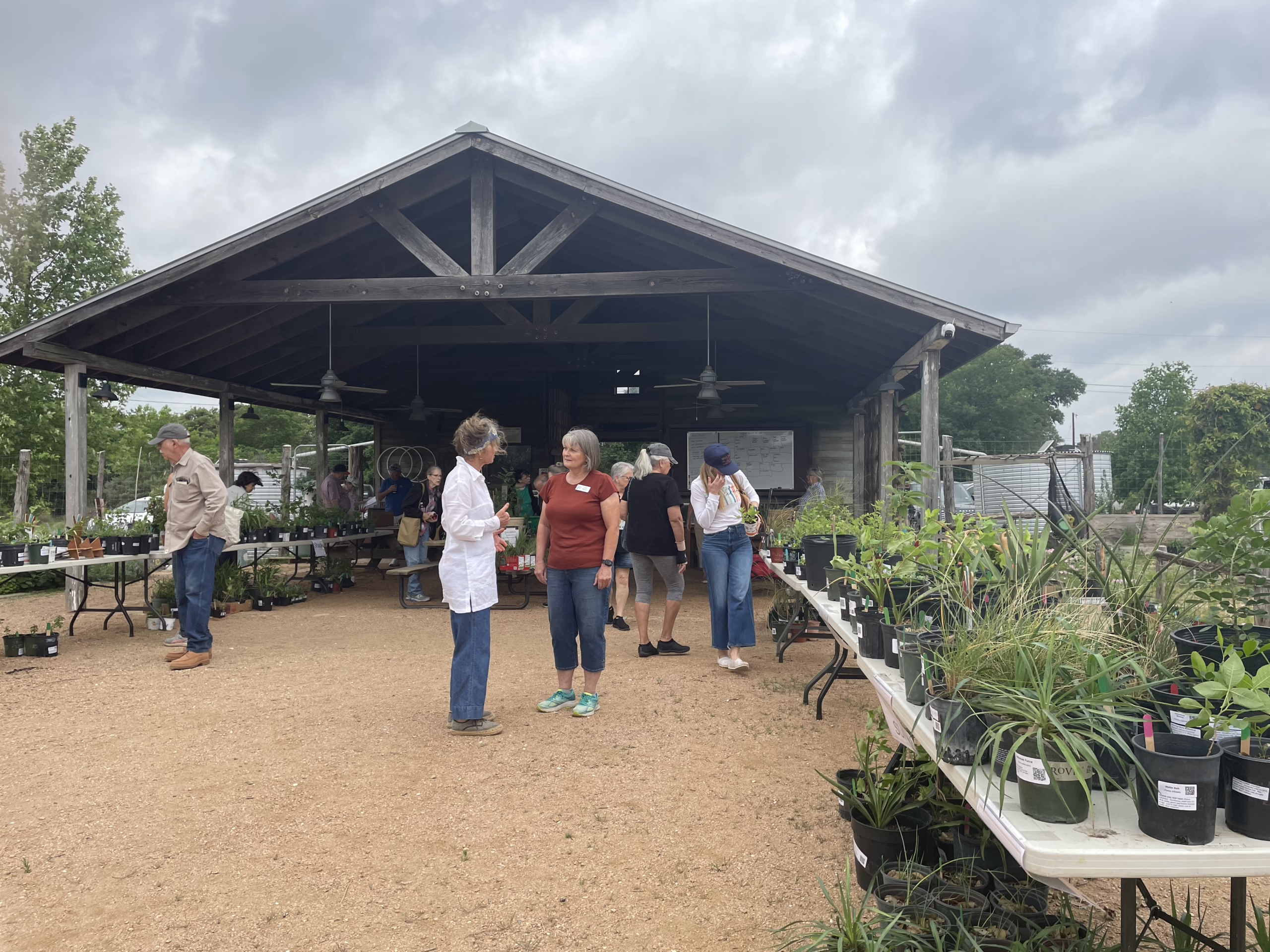
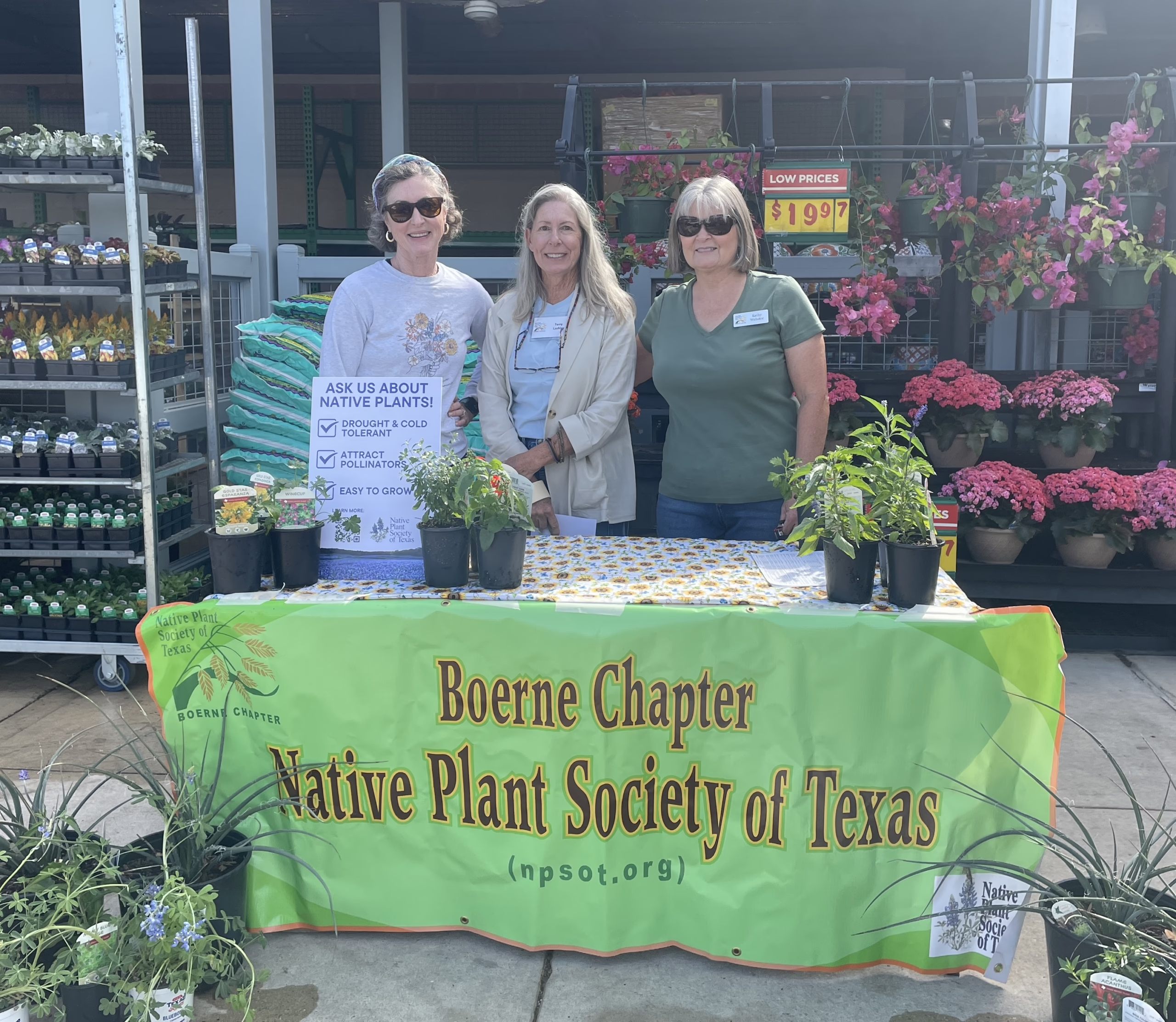
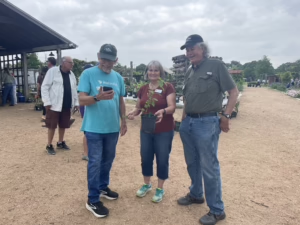 As a project leader for the Native Plant Sale in April, Kathy works with volunteers in the planting process which begins early in the year. NPSOT members are encouraged to transplant small volunteer plants into one-gallon pots, tend to them and donate them to the plant sale. Collection and pricing of the plants will take place on April 17; volunteers are needed for that day as well as April 18. Last year there were approximately 900 potted plants available for sale and consisted of 120 different species. The sale is on Saturday, April 18 from 9 am to 1 pm at the Herff Farm Demonstration Gardens.
Kathy is a retired speech-language pathologist. She was born and raised in the San Antonio area and attended Southwest Texas State University, the University of Memphis, and Trinity University. Kathy worked at Northside ISD for 22 years and then in private practice for 13 years. She and her husband travel, camp in their travel trailer, hike, and birdwatch. They have two grown children.
Connie Clark
Content Creator/Editor/Journalist
https://conniecanwrite.com/