North Texas Giving Day
North Texas Giving Day runs August 28 through September 18, 2025. Every dollar you give helps us plant seeds of change—literally and figuratively. Whether you’re passionate about protecting Texas’s natural
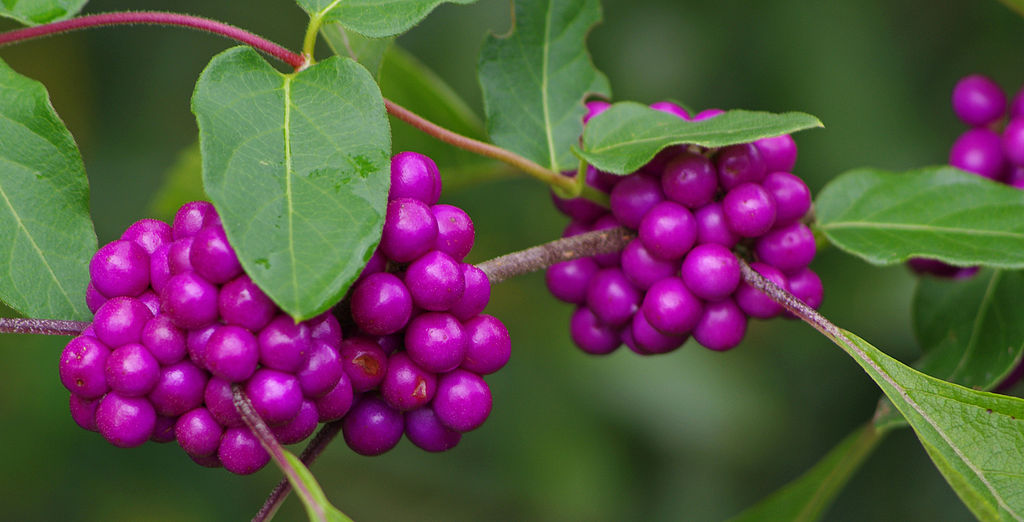
NICE Fall 2025 Plant of the Season
American Beautyberry (Callicarpa americana): Shrub for partial shade Description: American Beautyberry is an interesting and beautiful ornamental shrub, suitable for a shade or sun garden. The most striking feature of
Fall Plant Sale Oct 12, 2025
When: Sunday, Oct 12, 2025 Where: Grand Pavilion at Veterans Park, 8901 Clifford St, White Settlement, TX Time: 12:30 pm – 02:30 pm Many of our chapter members are providing
NICE Summer 2025 Plant of the Season
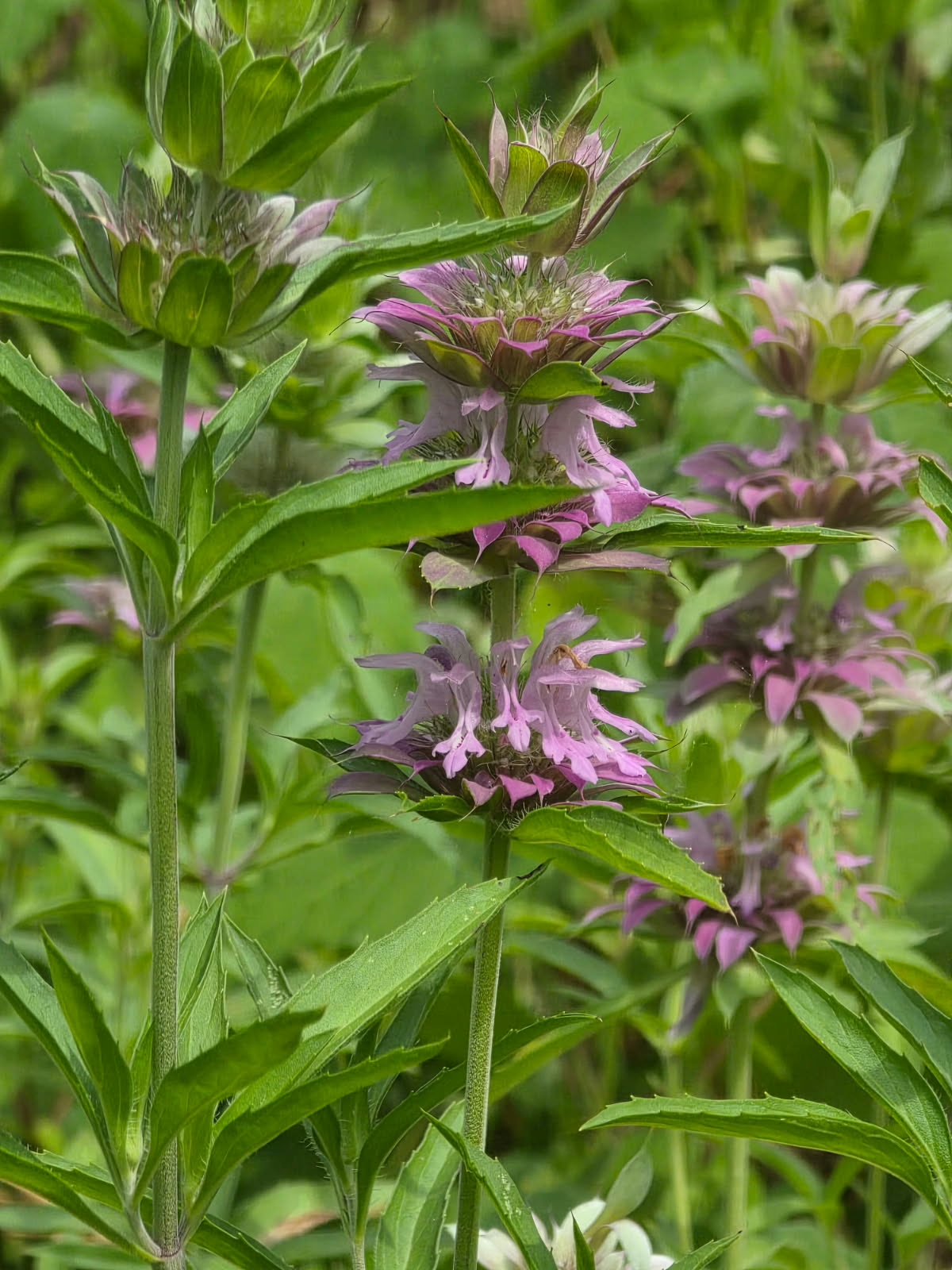
Lemon Beebalm: Annual Wildflower with Medicinal Uses Monarda citriodora, is a hardy, annual wildflower found in sandy or rocky soils in prairies and meadows and is widespread in Texas. The

NICE Spring 2025 Plant of the Season
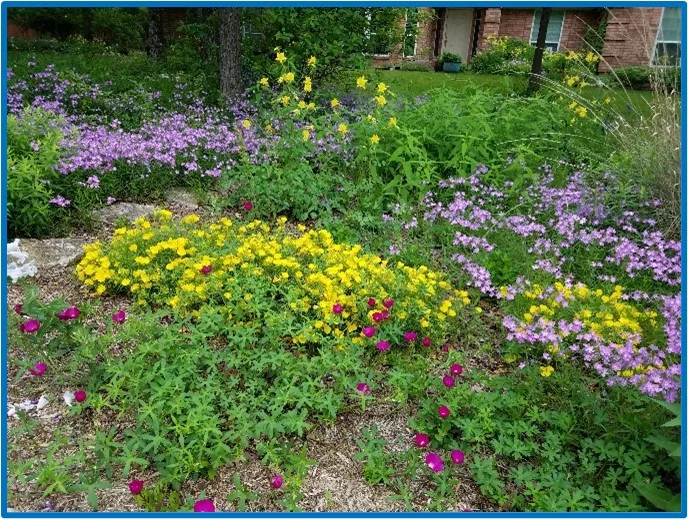
Fragrant Phlox (Phlox pilosa) Perennial spring blooms that attract butterflies.Phlox pilosa, called Fragrant Phlox, Downy Phlox or Prairie Phlox, is found in north central Texas, primarily in the dry soils
Spring Plant Sale May 3, 2025
When: Saturday, May 3, 2025 Where: Randol Mill Park Pavilion, Arlington TX Time: 10:00 am – 12:30 pm Click here to sign up to volunteer at this plant sale. Many
NICE Fall 2024 Plant of the Season
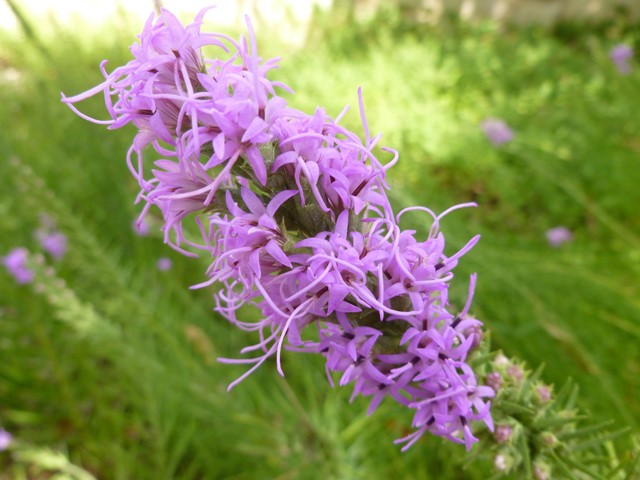
Gayfeather: Fall Blooming, Showy Perennial (Liatris punctata)Description: Liatris punctata is a large eastern and midwestern NorthAmerican genus that includes 43 species, collectively called Gayfeather,Texas Blazing Star, or Button-Snakeroot. Narrow-Leaf Gayfeather,
NICE Summer 2024 Plant of the Season
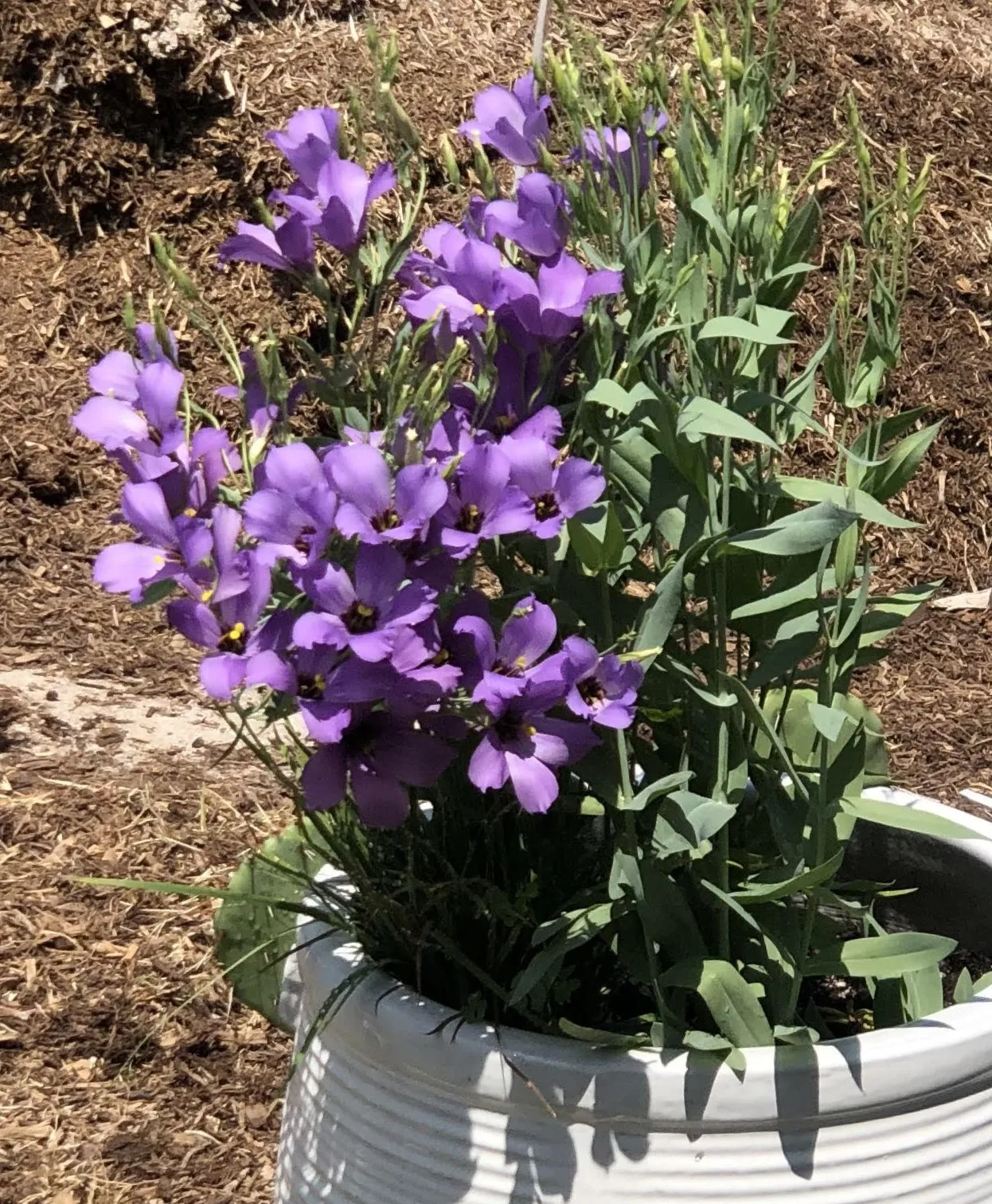
Texas Bluebells, Eustoma exaltatum ssp. russellianum, depending on where they grow, may grow as an annual, a biennial, or a perennial but in most of its range it is a