Spring Plant Sale NPSOT Dallas – May 2, 2026
We will be hosting our Spring Plant Sale on May 2 from 10 AM-3 PM (or until sold out), at the Bath House Cultural Center – 521 E. Lawther Drive Dallas Tx 75218. See our PLANT SALE PAGE for more info and a list of available plants.
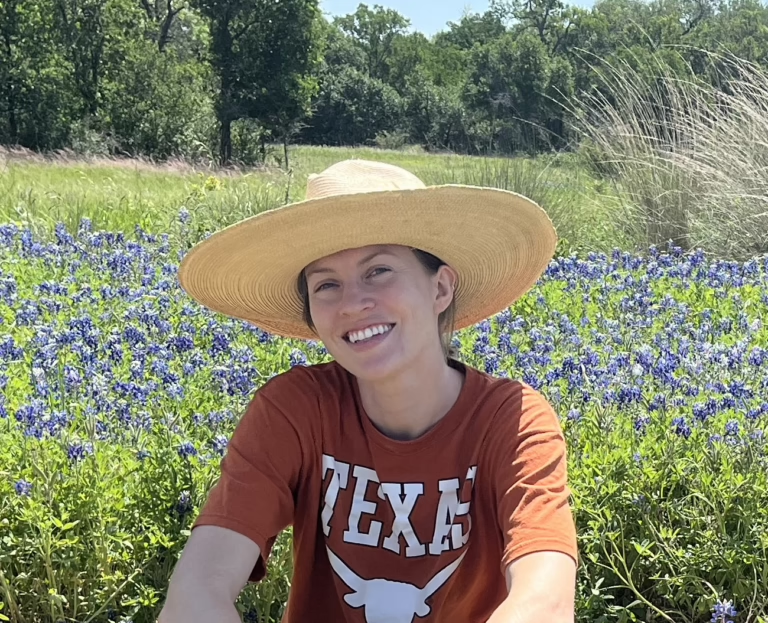
2025 Ann Miller Gonzalez Research Grant Recipients
The Native Plant Society of Texas offers the following research grant to graduate students at Texas universities who are performing academic research related to Texas native plants and/or to the conservation and restoration of native plant habitats of Texas: Ann Miller Gonzalez Graduate Research Grant – This research grant is named
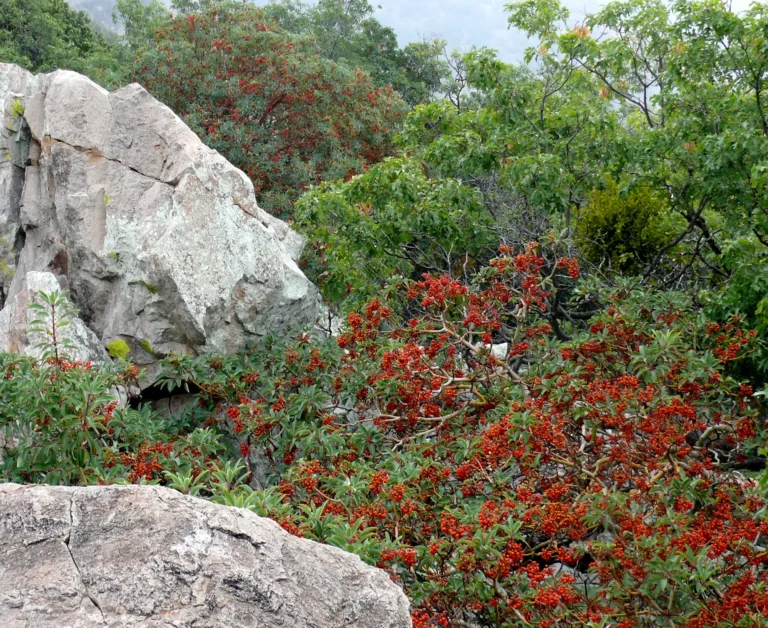
Lessons Learned Running a Native Plant Nursery.
Nurseries didn’t offer native plants in the early 1990s when the Winninghams began searching for those plants that thrive and support the ecology of the Texas Hill Country. As they explored western Texas as far as Big Bend, they began collecting seeds and cuttings, including some for the madrone trees that the nursery has become famous for. “There are a whole host of positive aspects about a native plant business. I want to share the amazing and unexpected things I have leaned.” Dr David Winningham said.
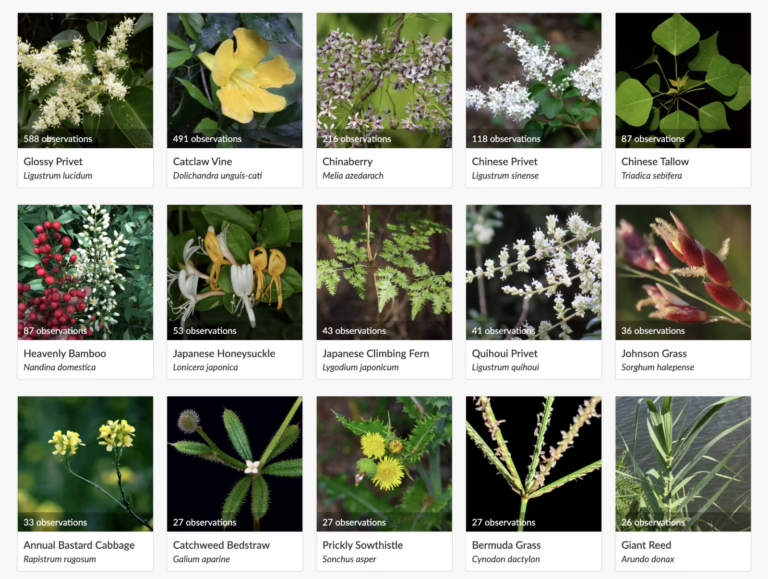
Join Us for the Big Pull
Please join us for the invasive species Big Pull! Let’s make an impact during National Invasive Species Week by removing invasive species and supporting healthy native ecosystems across Texas between Feb. 23 – March 8. Whether you participate as a chapter, or as an individual, here is what you can

National Invasive Species Awareness Week
Next week starts National Invasive Species Awareness Week. The week is intended to raise awareness about invasive species throughout the country and world. Through outreach programs and communications, the week is intended to increase awareness of invasive species concerns, the threat that they pose, and what can be done to

Enjoy the NPSOT Benefits — Become a Boerne NPSOT Member!
We invite you to join the Boerne Chapter of the Native Plant Society of Texas (NPSOT – Boerne)! Being a member of our Boerne Chapter has so many benefits! As part of your membership: You will have the opportunity to participate in monthly meetings on various topics of interest to
Boerne Chapter Meeting March 3
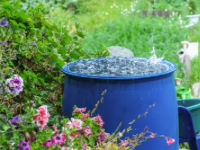
Join us on March 3 for an informative session on harvesting rainwater for drinking and irrigation. Dr. Sunn and Dr. Grainger from RainBees will share practical guidance on how to design, manage, and maintain an effective rainwater collection system. Topics will include understanding your rainwater needs, evaluating and preparing your
Benny Simpson: Plant Hunter and Founding Member of NPSOT
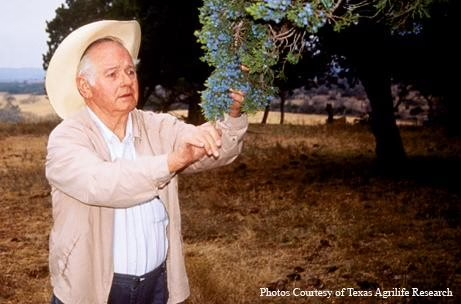
Changing how Texans see their Native Landscapes North Texas has been fortunate to have a number of remarkable botanists whose work continues to influence our landscapes today. Earlier, we featured a remembrance of Harold Laughlin. Another local botanist with far-reaching impact was Benny Simpson. He devoted his career to locating,

March 3rd Meeting – Jumpstart Your Native Plant Garden (Online Only)
Our March 3 chapter meeting will be online only via Zoom. The speaker is Haeley Giambalvo – she is the VP of Communications for NPSOT, founder of NativeBackyards.com, and the author of “Native Plant Gardening for Beginners“. Presentation Summary Haeley will be speaking on how to “Jumpstart Your Native Plant Garden“. Learn how to get started

Guadalupe Chapter April 11, 2026 Spring Plant Sale
Our Spring Plant Sale will be held in Seguin at First Presbyterian Church from 10 AM to 3 PM on Saturday, April 11, 2026. First Presbyterian Church is at 1121 East Walnut Street. The sale will be held in the parking lot in back of the Church, access from Moss
March 10, 2026 Guadalupe Chapter Meeting
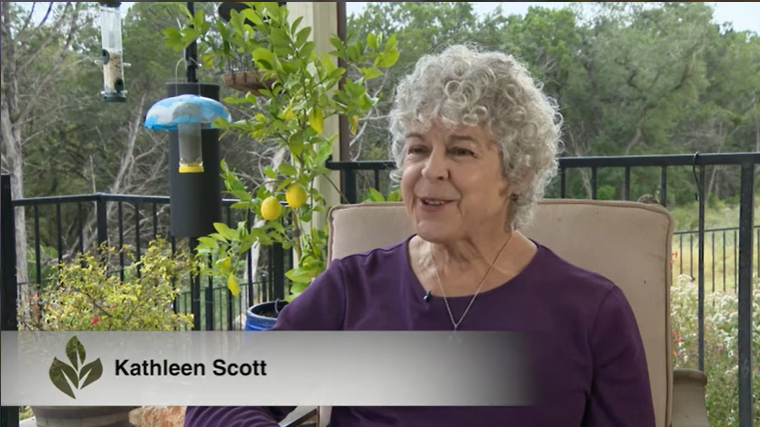
Tuesday, March 10th – Monthly Meeting in Seguin at First Presbyterian Church. Social at 6:30 and Speaker, Kathleen Scott at 7 PM. Topic: Wings in the Garden (or Native Bees) First Presbyterian Church of Seguin is at 1121 East Walnut Street with parking in the rear off Moss Street.