

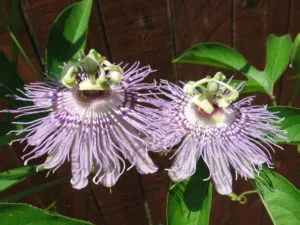
Purple Passionflower – Showy Vine and Gulf Fritillary Larval Host
Provided courtesy of the Trinity Forks Chapter and Dr. Becca Dickstein Description: Passiflora incarnata L. is commonly known as Purple Passionflower or Maypop. It is a perennial vine reaching 12-36 ft in height, with glossy, dark-green tri-lobed leaves. In North Texas, expect Passionflower to die back to the ground each
April 2021
**ARCHIVED POST ** TENPETAL ANEMONE Anemone berlandieri, Buttercup Family By Marcia Miller from April 2021 Newsletter I don’t have Daffodils or Tulips in my flowerbeds, so in February when I begin to see the perennial Tenpetal Anemone popping up in my yard, I get excited because to me they
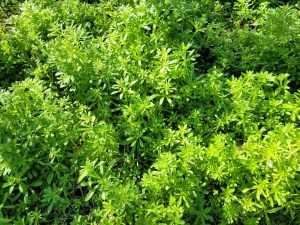
Stuck on “Velcro Plant”
Rachel Cywinski posted an interesting article on the “Velcro Plant”. Galium aparine has many other colorful common names, including Sticky Willies, Catchweed Bedstraw, and Cleavers. It is one of our earliest seedlings, usually germinating in December or January. After winter storms, the Velcro Plant is one of the only bits
Spring 2021 Plant Sale
**ARCHIVED POST ** We’ve finally done it! We’ve scheduled our spring plant sale! Saturday, May 1st from 9am to 12pm. Covid-19 safety protocols will be in place. Masks must be worn, maintain social distancing, and everyone must sign-up for a shopping appointment. We’re also looking for a few volunteers and
Bexar Roots April 2021
**ARCHIVED POST ** from 2021-04-20 Click Here **ARCHIVED POST** **ARCHIVED POST LINKS & PICTURES MAY NOT WORK** **ARCHIVED POST AUTHOR: aawalt **
Support for National Native Plant Month
We join with the public and many other organizations in expressing appreciation and support for the bipartisan resolution which designates April 2021 as National Native Plant Month and also recognizes the benefits of native plants to the environment and economy of the United States.

Plant of the Month: Heart-leaf Skullcap
April 2021 Plant of the Month
Botanical name: Scutellaria ovata
Common names: Heart-leaf Skullcap
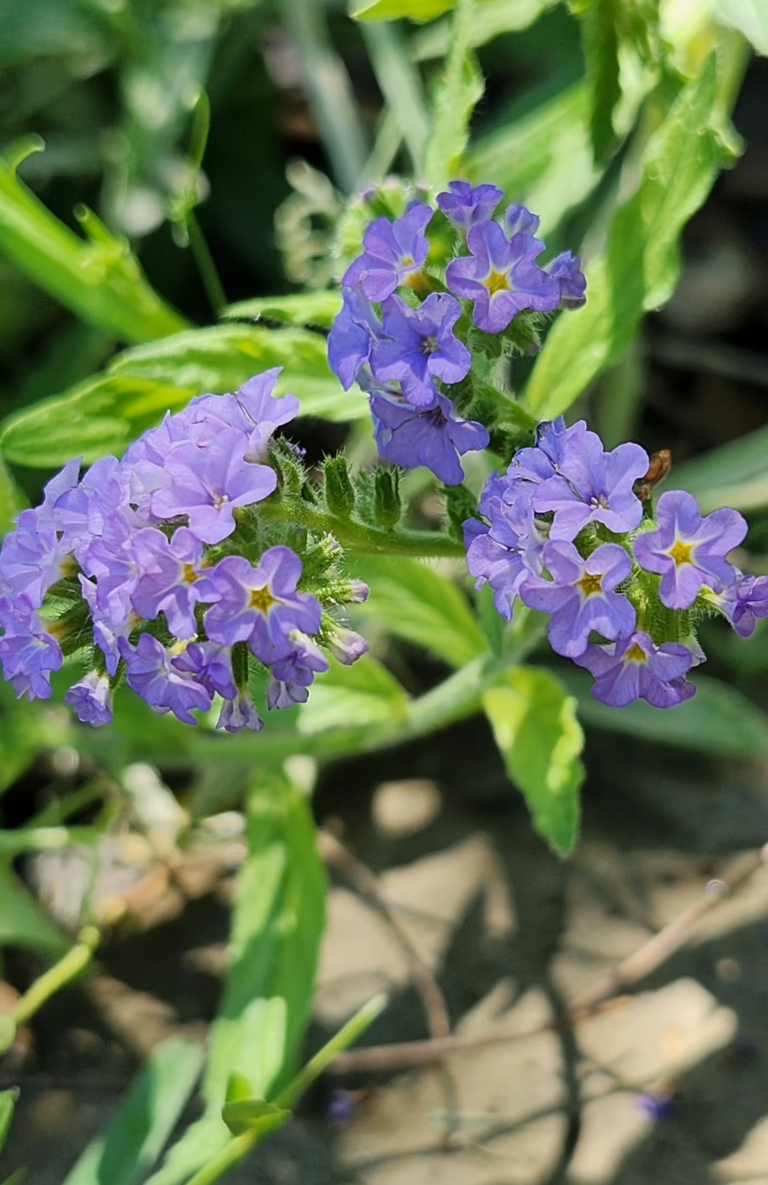
Prairie Verbena – The Little Purple One
Low-growing Perennial for Spring Color Provided courtesy of the Trinity Forks Chapter and Dr. Becca Dickstein Description: Glandularia bipinnatifida, known as Prairie Verbena in Texas, has a number of other common names including Dakota Mock Vervain and the poetic Spanish Moradilla, meaning “Little Purple One.” It is found widely in Texas and
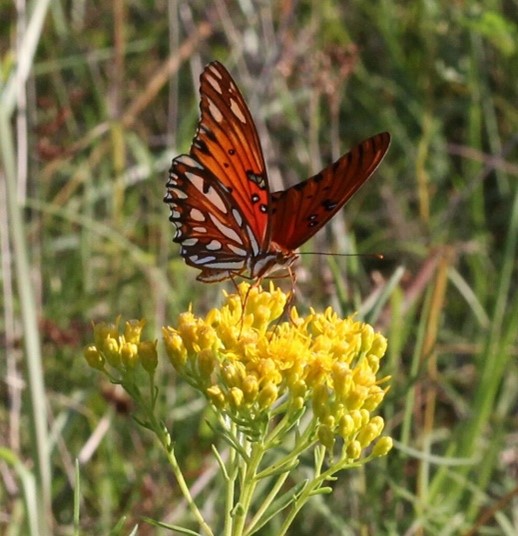
Native Plants are Essential to Texas Butterflies
The Native Plant Society of Texas places a well-deserved emphasis on helping our state insect, the Monarch butterfly. But there are several hundred other butterflies in Texas that depend on our native plants. In Texas, we have over 400 species of butterflies, the most of any state, and making up
A society of garden clubs? – NOT!
Our chapters around the state are engaged in many other activities to protect and sustain our natural ecosystems by preserving and re-establishing native-plant habitats.
From ice storms to drought – planning your piece of Texas
Our native lands all evolved over thousands of years with differing climates and wildlife. Severe flooding, tornados, wildfire, windstorms/hail or severe cold events such as Texas just experienced can negatively affect the plants you may see on your property. Or Mother Nature shows her resilience and it comes back rather rapidly.
Stuck on “velcro plant”
Goosegrass, catchweed, stickyweed, sticky bob, stickybud, stickyback, robin-run-the-hedge, sticky willow, stickyjack, stickeljack, grip grass, sticky grass, bobby buttons _ whatever you call it, Galium aparine has some redeeming qualities.
