

Video contest announced for 2021
Rules for the contest will be the same as last year. The contest will be judged by a three-member panel using a scoresheet and results will be announced in the fall.
June 22, 2021 Vegetation Surveys and Low Impact Management Alternatives (Solarization) for KR Bluestem at the ABK State Natural Area
**ARCHIVED POST ** from 2021-05-26 7:00 pm – Meeting and program Vegetation Surveys and Low Impact Management Alternatives (Solarization) for KR Bluestem at the ABK State Natural Area Jose Rodolfo Valdez-Barillas, Assistant Professor, TAMU-SA Biology Program will present results for early spring vegetation survey and share the protocols that have
Red Mulberry – a native fruit tree
Red Mulberry is a deciduous tree that allows light to filter to the plants on the ground in winter, then blooms in spring. Its long, narrow berries appear red and darken to purple.
Send suggestions for our annual awards
This is your chance to help identify qualified candidates for our annual awards.
Bexar Roots May 2021
**ARCHIVED POST ** from 2021-05-15 Click Here **ARCHIVED POST** **ARCHIVED POST LINKS & PICTURES MAY NOT WORK** **ARCHIVED POST AUTHOR: aawalt **
News from the Prairie Rose Native Plant Garden
**ARCHIVED POST ** DEMONSTRATION GARDEN WORK DAY MAY 15, 8:30 a.m. COURTHOUSE SQUARE, GLEN ROSES Come join us for a fun work day in the garden. In addition to the weeding always needed, we plan to add some new plants! We’ve been working hard to clean up and
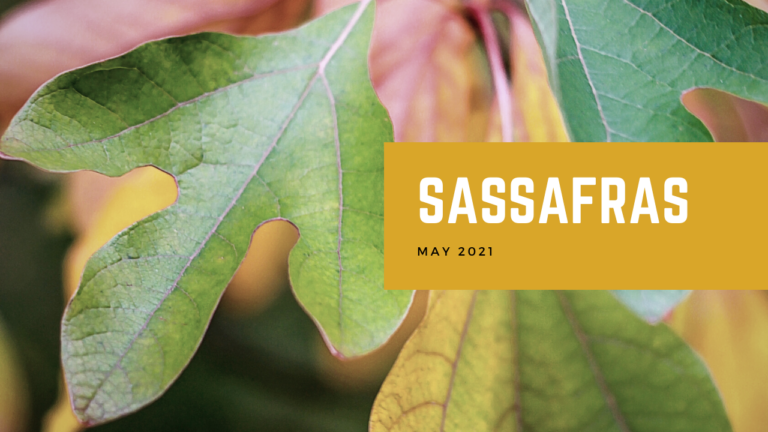
Plant of the Month: Sassafras
May 2021 Plant of the Month
Botanical name: Sassafras albidum
Common names: Sassafras, Ague Tree, Cinnamon Wood, Mitten Tree, others
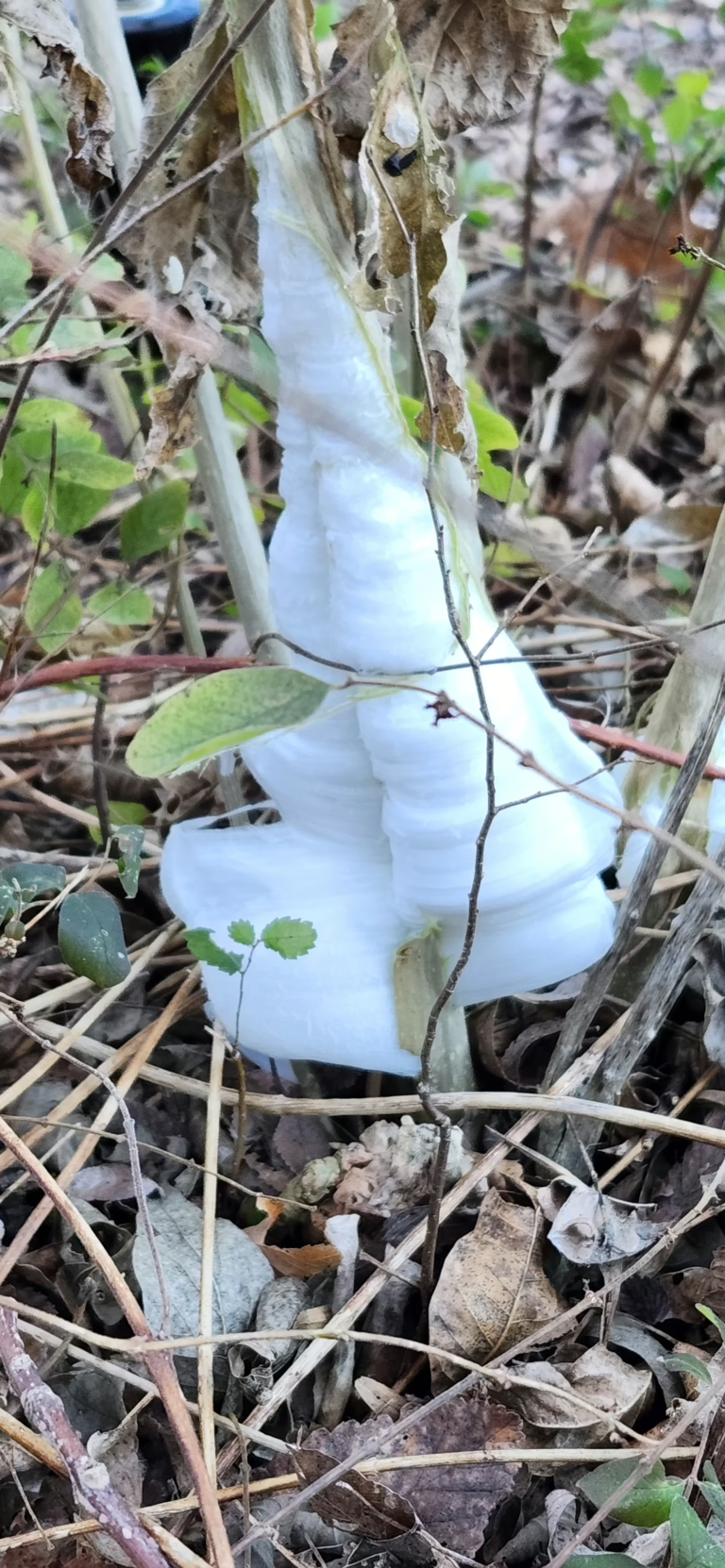
Native Plants – The Best Defense against Weather Extremes
If you have lived in North Central Texas for any time, you know that frequent and dramatic weather changes are inevitable. For any plant, this presents many challenges – floods, droughts, record heat, freezing temperatures – and that can just be one week in March. Okay, that was a slight overstatement; nonetheless, our weather extremes can make your landscaping efforts a great challenge.
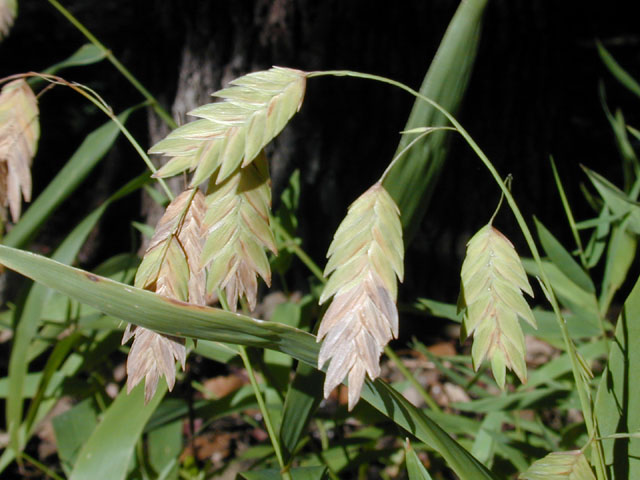
Inland Sea Oats – Your “Can I grow anything in that shady spot!” Plant
Inland Sea Oats (Chasmanthium latifolium) is a hardy perennial grass best suited for the shade. For the native gardener, it is an unusual grass due to its preference for shade.
May 2021 News from Prairie Rose Chapter
**ARCHIVED POST ** PLANT SALE MAY 8, 9 a.m. – 2 p.m. Back Garden of our Demonstration Garden Glen Rose Courthouse Square Our plant sale is here! Waiting until a little later in the year definitely worked. We have a good selection of plants and are continuing to get more
Dandelions
**ARCHIVED POST ** by Marcia Miller TEXAS DANDELION Pyrrhopappus pauciflorus Aster Family A deciduous, annual plant that grows to about 1 foot and blooms March – June in open grassland, usually dry clay or sandy loam soils. It takes little water and can bloom in sun or part shade. Flowers
May 25, 2021 Water Sponge-Carbon Sink: Creating a Resilient City
**ARCHIVED POST ** from 2021-04-28 7:00 pm – Meeting and program Water Sponge-Carbon Sink: Creating a Resilient City The soil may be one of the most important strategies for mitigating Climate Change and creating resilient urban areas. Learn how and why this can be accomplished and what programs are being
