

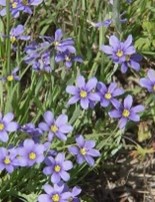
Blue-eyed Grass – More Than Meets the Eye
Last month, we wrote about Golden Groundsel (Packera obovata) and how they are one of the first native flowers of the spring. Another hardy early riser among native Texas plants is the Blue-eyed Grass (Sisyrinchium). It has a graceful elegance with its understated flowers set against the bold green of
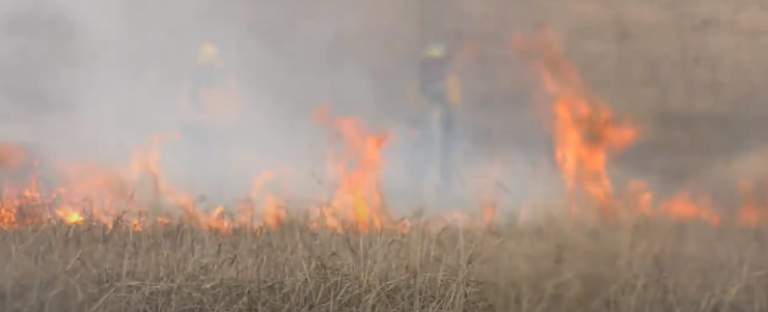
Preserving the Resilience of Native Prairies with Prescribed Burns
Recently the city of Plano undertook a prescribed burn, a controlled fire intended to provide a natural “cleansing”, in portions of the Oak Point Park and Nature Preserve. The objective was to help encourage growth in the native prairie, and reduce invasive grass species, woody plants, and thatch.
Plant-Animal Interactions in the Fossil Record
**ARCHIVED POST ** from 2021-02-28 March 23, 2021 Meeting and program Plant-Animal Interactions in the Fossil Record Insects have been feeding on plants for over 400 million years and these ecological interactions are quite common in the fossil record. By measuring the diversity of insect damage on ancient plants we
Vote on proposed bylaw change
Members are invited to vote on a proposed amendment to the state bylaws to change the dates of board meetings.

Native Plants – Our Natural Bird Feeders
We are a bird-rich state; Texas has about 630 of the 900+ North American bird species. February is National Bird Feeding Month and with spring around the corner, now is the ideal time to examine the close symbiosis between our native North Central Texas plants and birds. An often-overlooked benefit
March 2021 Meeting – Ricky Linex with “Riparian Management, Why Creeks Act the Way they Do”
**ARCHIVED POST ** Join us on Zoom for our March meeting on the 15th at 6:30 for social time, 7:00 for quick announcements, then our program. This month we’ll have Ricky Linex with “Riparian Management, Why Creeks Act the Way they Do”. Register in order to get the meeting link via https://us02web.zoom.us/meeting/register/tZUqd–gpj8tGNVk0S_M7JgVyQ3dErFHDFJk
Seeking an executive director
The Society is seeking to hire an Executive Director to oversee the administration of the organization and implementation of the Strategic Plan.
Marie-Theres Herz Funeral
**ARCHIVED POST ** It is with the sadness of her loss but the joy of her memory that we invite you to share with us the funeral of our beloved Marie-Theres this coming Thursday, February 25th, at 11:30 am at St. Monica Catholic Church, 9933 Midway Rd, Dallas TX. For
Bexar Roots February 2021
**ARCHIVED POST ** from 2021-02-18 Click Here **ARCHIVED POST** **ARCHIVED POST LINKS & PICTURES MAY NOT WORK** **ARCHIVED POST AUTHOR: aawalt **
Virtual spring symposium open for registration
Our spring symposium will be a virtual event on March 13 in collaboration with the Lady Bird Johnson Wildflower Center. There will be seven presentations teaching the benefits of native plants for maintaining biodiversity and attracting local wildlife.
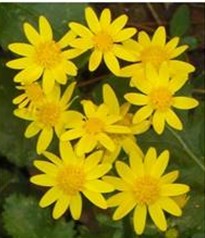
Golden Groundsel – Our Bright-eyed Early Riser
For beginners to native Texas plants looking to fill almost any shady area with a well-behaved ground cover, Golden Groundsel (Packera obovata or Packera aurea) is a can’t-miss choice. Itis native to north-central and east Texas, and much of the eastern half of the US. Golden Groundsel was previously featured
Spring 2021 landscaping classes announced
We will offer 10 landscaping classes this fall at 8 different locations around the state. Our one-day classes for the Native Landscaping Certification Program have been converted to a virtual format so that you may take them without leaving your home.
