

In Memoriam – Marie-Theres Herz
**ARCHIVED POST ** In Memoriam – Marie-Theres Herz by Cindy Kearney & Alan R. Lusk Marie-Theres Herz at the 2019 NPSOT Fall Symposium in League City, TX with her herbarium voucher display. (Photo by Alan Lusk) We are saddened to announce we’ve lost another valuable Dallas member. On Saturday, January
Remembering Sally Wasowski
Sally Wasowski, a dear friend of Texas native plants and a charter member of the Society left this world peacefully at her home in Oregon on December 12, 2020.
Bexar Roots December 2020
**ARCHIVED POST ** from 2020-12-15 Click Here **ARCHIVED POST** **ARCHIVED POST LINKS & PICTURES MAY NOT WORK** **ARCHIVED POST AUTHOR: aawalt **
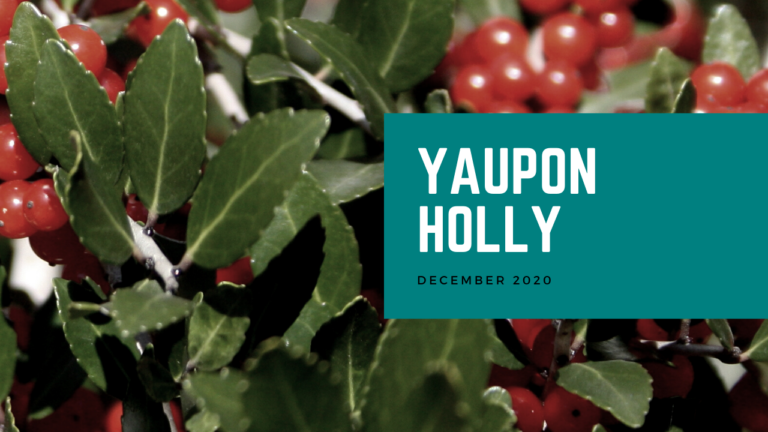
Plant of the Month: Yaupon Holly
December 2020 Plant of the Month
Botanical name: Ilex vomitoria
Common names: Yaupon Holly, Yaupon, Cassina
Monarch garden grant application open
Get your applications in by February 15 for Monarch garden grants.
Unearthly fragrance, cat-scratching thorns
The portals of heaven open to announce spring will soon return—that’s the only way that I can describe the aroma of huisache in bloom
Railroad Park Garden Welcomes New Locomotive
**ARCHIVED POST ** [from Dallas Baxter] Railroad Park Garden Welcomes New Locomotive The gardeners at Alpine’s Railroad Park Gardens are celebrating the holidays with festive lighting throughout the gardens and the arrival of a new locomotive. The public is invited to enjoy the additions to the park at 6 p.m.
Are you a grazer or a browser? Perhaps you are a nibbler?
You have preferences—those favorite foods that beckon your attention. Livestock and wildlife are no exception; they have preferences in what they like to forage upon, too.
2021 Calendar
**ARCHIVED POST ** *Monday, June 21st @ 7pm – Plant Propagation with Roseann Ferguson July – No Meeting *Monday, August 16th @ 7pm – Carol Garrison (John Bunker Sands/Native Plants & Filtration) *Monday, September 20th @ 7pm – Cell phone photography with Edgar Miller *Monday, October 18th @ 7pm –
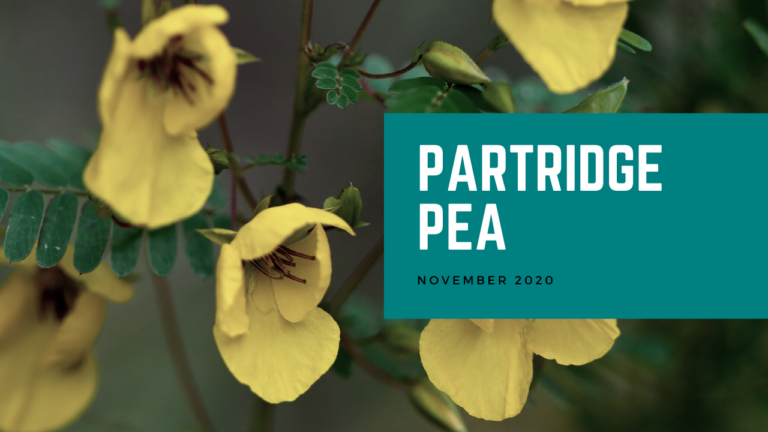
Plant of the Month: Partridge Pea
November 2020 Plant of the Month
Botanical name: Chamaecrista fasciculata
Common names: Partridge Pea, Sleepingplant, Sensitive Plant
Ariocarpus fissuratus: Reintroduction Project
**ARCHIVED POST ** from 2020-10-29 Meeting and program January 2021 “Ariocarpus fissuratus: Reintroduction Project” Presenter: Jimmy Black – President San Antonio Cactus and Xerophyte Society This presentation will address the circumstances of the removal of 3,500 A. fissuratus from the Big Bend area by poachers and the fate of those plants since
Virtual ceremony honors contest winners, outstanding members
Many of our members were recognized during an online ceremony on the evening of October 24. Contest winners were announced and three members were awarded the Benny J. Simpson Fellows Award.
