


14 on the 14th: Gardening for the Birds in North Texas
Native plants provide birds with essential food like berries and seeds, as well as critical shelter from predators, and nesting sites for raising their young. Below are the trees, shrubs, grasses, perennials, and vines to help create a bird-friendly yard!

Fall 2025 Member Magazine
President’s Message | Executive Update | Celebrating Leadership | Curb Appeal with a Cause | Grant Recipients | Autumn’s Perfect Pairing | Native Plant Database | Sustainable Landscaping | Winterizing Tips

Highland Lakes NPSOT Meeting: Saturday, 15 November “Galls, Leaf Mines, and OtherAnomalies”
Valerie Bugh, a local naturalist specializing in the arthropods of the Austin area and interests in taxonomy and photography, is the speaker for Highland Lakes Native Plant Society of Texas’s Chapter Meeting on Saturday, 15 November, 1:00-3:00 p.m. at the Marble Falls Library, 101 Main Street. Val runs the Fauna

November Chapter Meeting
11-11-25 Mark McClelland, Chapter President, “How to Attract Birds With Wildflowers”
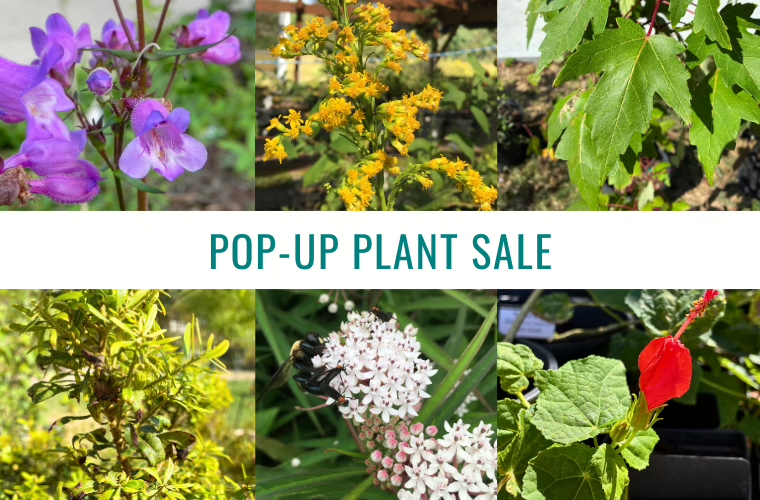
Clear Lake Chapter Pop-up Plant Sale – November 11
The Clear Lake Chapter is having a pop-up plant sale on Tuesday, Nov. 11, at the University of Houston-Clear Lake.

Land and Plant Restoration at the Weston Ranch
The Weston Ranch Foundation is a suburban sanctuary where prairie and wildlife thrive through habitat conservation and sustainable agriculture to benefit our community in Central Texas. The foundation was formed in 2003 to foster relationships with higher education institutions, non-profits, inspirational groups, and the community. We are currently working together with Texas Lutheran University, The University of Texas at San Antonio, and Texas State University to better understand our natural capital and to support the teaching missions of the universities.
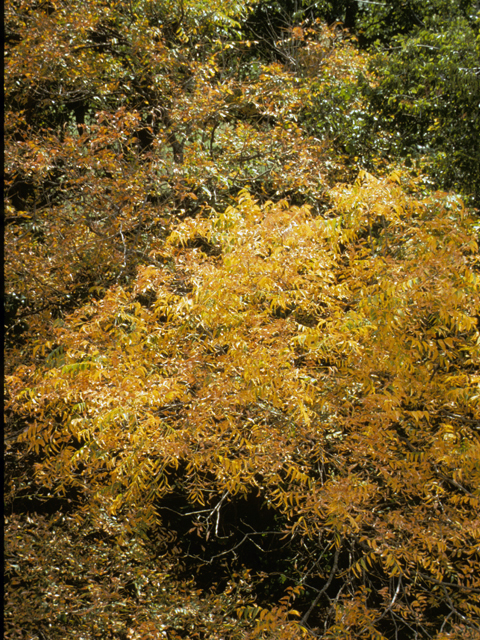
Celebrate Texas Arbor Day on November 7th – Plant a Native Tree!
Texas celebrates our own Arbor Day, this year on November 7th (first Friday of November), because early November is a better time to plant trees in Texas than the national date in late April. Planting in fall gives trees a head start to establish strong root systems before the stress of
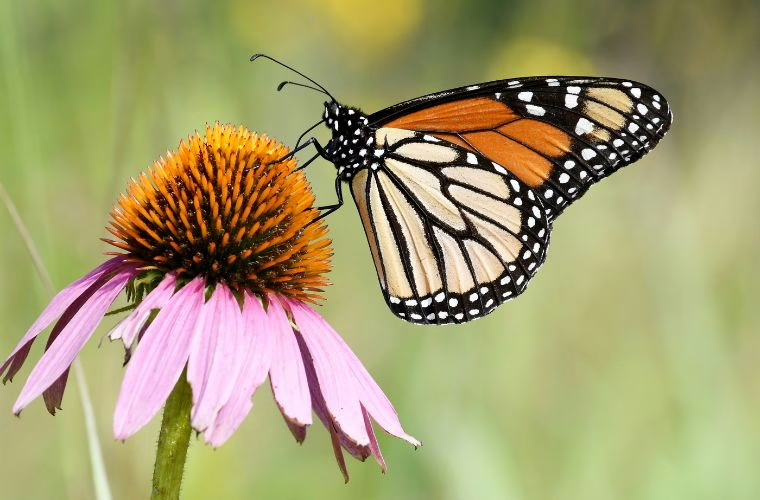
Plant Sale NPSOT Dallas – Oct 25, 2025
Dallas Chapter – Fall Plant Sale Save the date! Join us for our plant sale at Oakland Cemetery on Saturday, October 25, 2025 and don’t miss out on the cemetery’s Dia de los muertos celebration as well! Don’t miss this chance to add new native plants to your landscape and
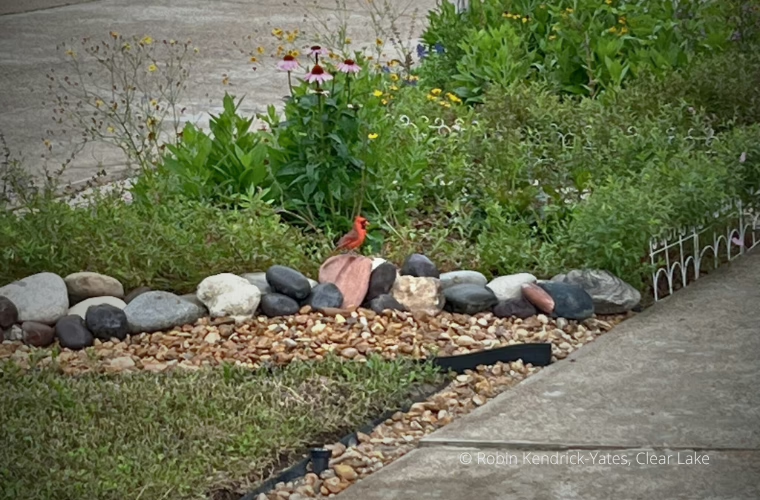
Chapter Meeting: Struttin’ Our Stuff: Season 4
Chapter members will share their stories of native plant adventures, offering inspiration and practical tips for your own green space.

Proposed 2026 Board
See the proposed 2026 Board volunteers for our election at the November chapter meeting.
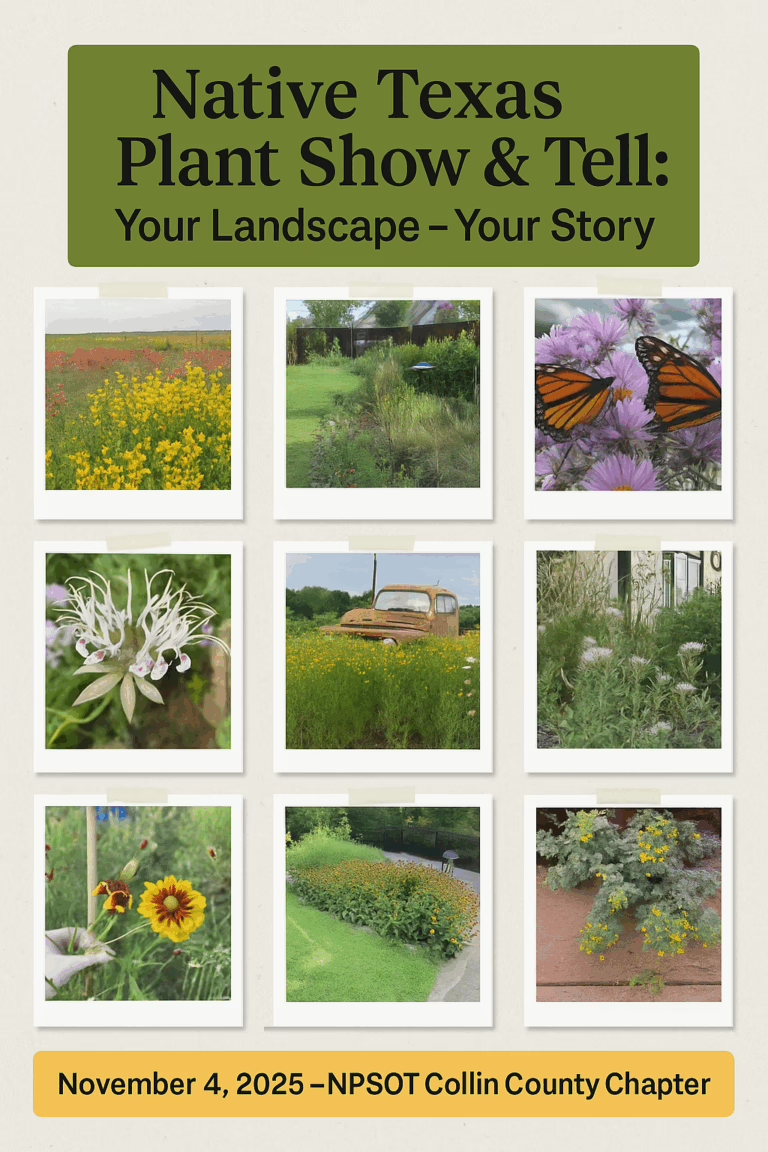
November 4th Meeting – Native Texas Plant Show & Tell
Our annual Native Texas Plant Show & Tell program will be on Tuesday, November 4 at 7:00 pm. Members and other attendees are encouraged to show pictures and tell about their favorite native Texas plants, such as:

