


Plant Sale Preview – Take Home the Wild!
Don’t leave Wildscapes empty-handed! Our curated plant sale features a variety of native species perfect for Houston gardens. Quantities are limited, and the best selections go fast — so come early, ask questions, and bring home a piece of the wild.
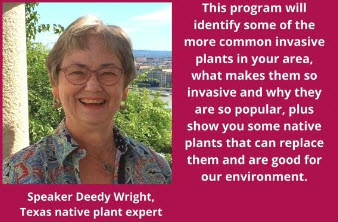
The Plants of the Fall Plant Sale 2026
Deedy Wright, our resident expert, describes the plants that will be for sale at the Fall Plant Sale.
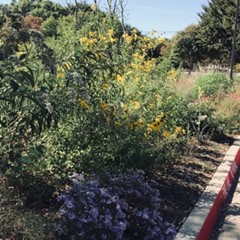
October 7th Chapter Meeting
Our program is on “Drought-tolerant Native Texas Plants“, presented by Randy Pensabene. Randy will guide us through the native plants and practices that will help turn your yard from a typical high-water, non-native landscape into a beautiful, low-water, drought-tolerant native Texas landscape. Joining our meetingOur meetings are open to the
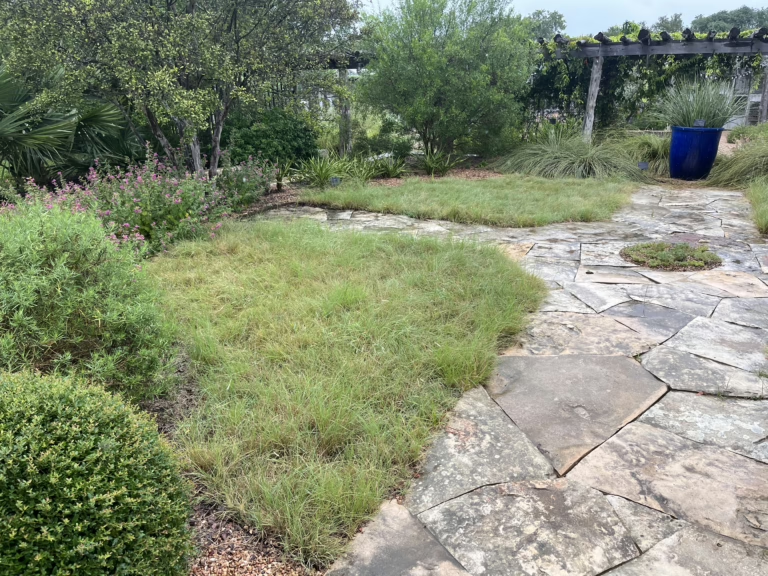
Now is a Great Time to Grow a Native Turf Grass Lawn
By Julia Weatherby, Sandra Ries, Margo Thoreson Many of us have homes or neighborhoods with lawns made up of thirsty St. Augustine grass or aggressive Bermuda grass. Both of these options are detrimental to Central Texas ecosystems in terms of water requirements, fertilizer and pesticide use, and not being useful

2025 Member’s Regional NATIVE PLANT & SEED SWAP
2025 NPSOT Regional Plant Swap… What a great time we had together! Cindy Cronin shared her experience growing Buttonbush from seed, everyone had a chance to tell about the native plants and seeds they brought to trade… Then let the swapping begin!!! It was so nice to meet some new

Clymer Meadow Preserve Field Trip – October 11
Clymer Meadow Preserve contains some of the largest and most diverse remnants of the Blackland Prairie. This 1,475 acre preserve offers a tallgrass prairie with abundant wildflowers, wildlife and wetland habitat. To reserve your spot for the tour, go to their website HERE – reservations are required.

Second Annual Plant Sale – October 4, 2025
October 4, 2025 9:00am – 2:00pm Location: The McLoughlin Property, 1402 Church St., Brenham The LaBahia Chapter is having a PLANT SALE on October 4, 2025 in Brenham, Texas! Fall is the best time to plant trees and perennials for a beautiful Spring garden. Come early to get your favorites.

Wildscapes Workshop Speakers
Preview the speakers presenting at our event! We have a great lineup featuring landscape design, toad conservation, bat at work, and lighting the night right.

Oct. 1 – L&P Chapter Meeting: Native Milkweed 101 with Diana Black
Join us to learn step-by-step how to successfully germinate milkweed seeds and help create more habitat for Monarch Butterflies
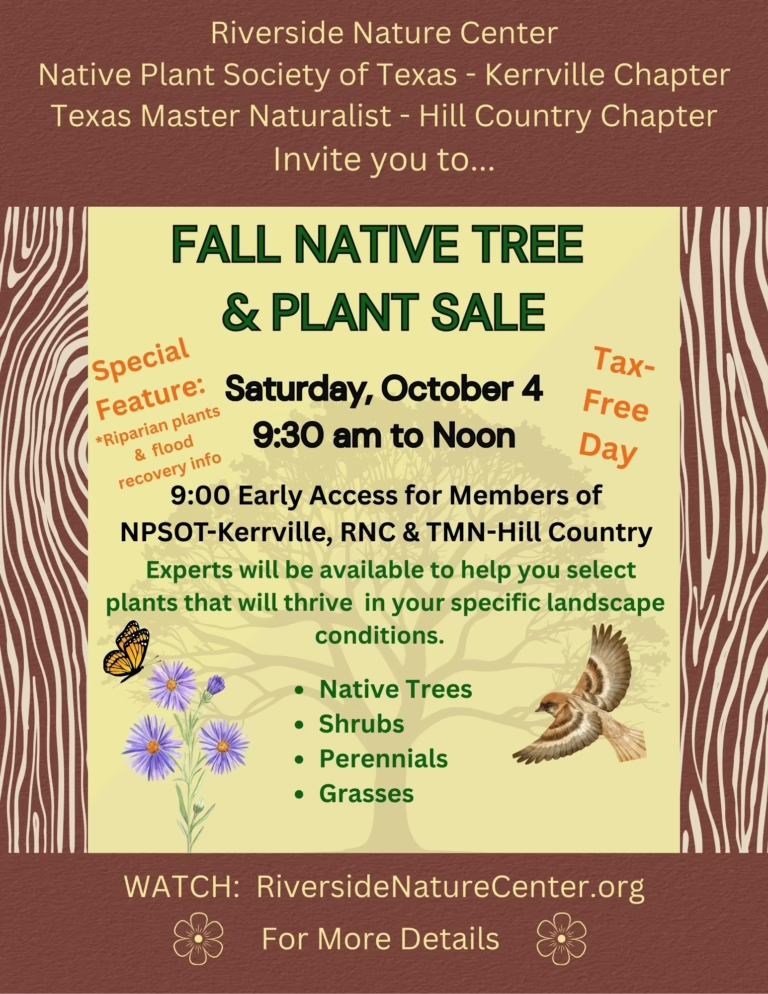
Fall Native Tree and Plant Sale October 4, 2025
Preliminary Availability List This is a preliminary list only. Please check back frequently to see updates.
President’s Letters – 2025
2025 President’s Letters – Be sure to add all of the upcoming events to your calendar. January 2025February 2025 March 2025 April 2025 May 2025 September 2025

Boerne Chapter 25th Anniversary Celebration, Cibolo Nature Center Auditorium
Join us for a special celebration on Tuesday, October 7, as we mark our 25th anniversary! Whether you’re a current member, a past member, or someone who has helped shape our chapter’s journey, we’d love for you to join us. Come connect and reconnect with friends, share memories, and celebrate
