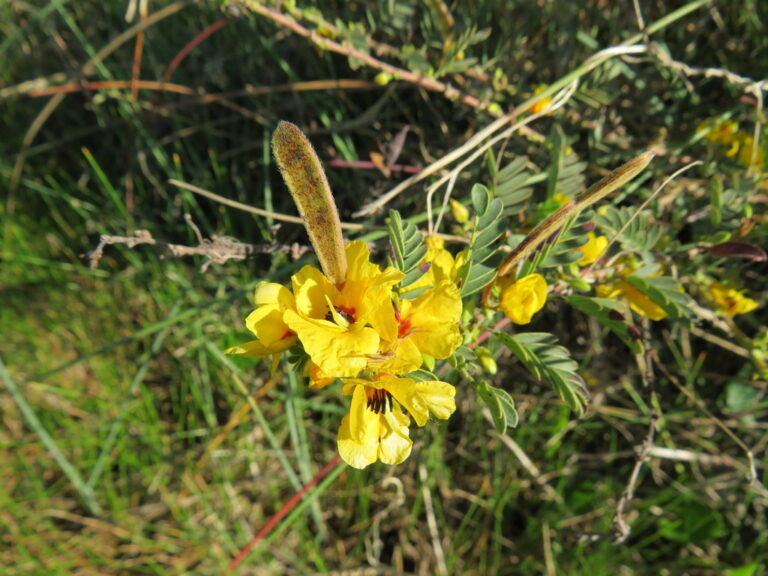
August 2025 Plant of the Month
As summer turns to fall these yellow Senna attract pollinators and look gorgeous in your yard. Click on the plant below for more details
July 2025 Plant of the Month
This summer stunner is loved by pollinators and people. Click on the plant below for more details
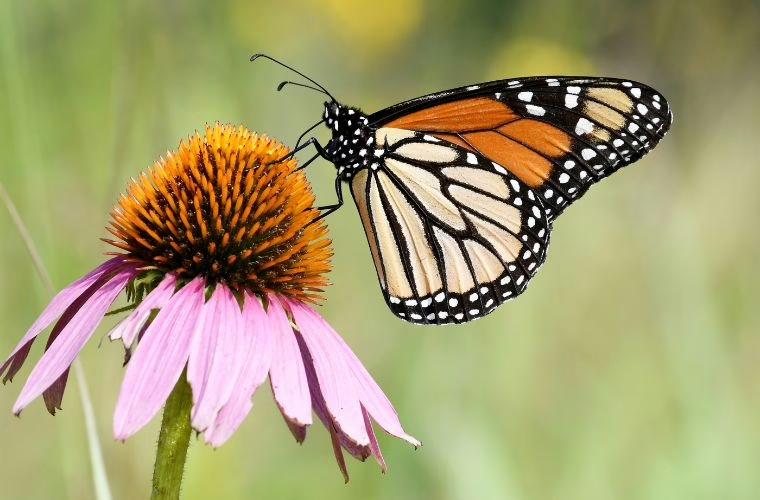
Chapter Meeting: Butterfly Gardening for Houston and the Texas Gulf Coast
Join us for an inspiring and illuminating journey into the magical lives of one of nature’s most wondrous creatures, the butterfly.

2025 Annual Awards Announcement
by the Native Plant Society of Texas Awards Committee A view of artist Samantha Melvin’s “Fleeting Landscapes” public murals in Round Rock, Texas. Every year the Native Plant Society of Texas recognizes organizations and individuals that advance our mission. Their work will be honored during our 2025 Fall Symposium held
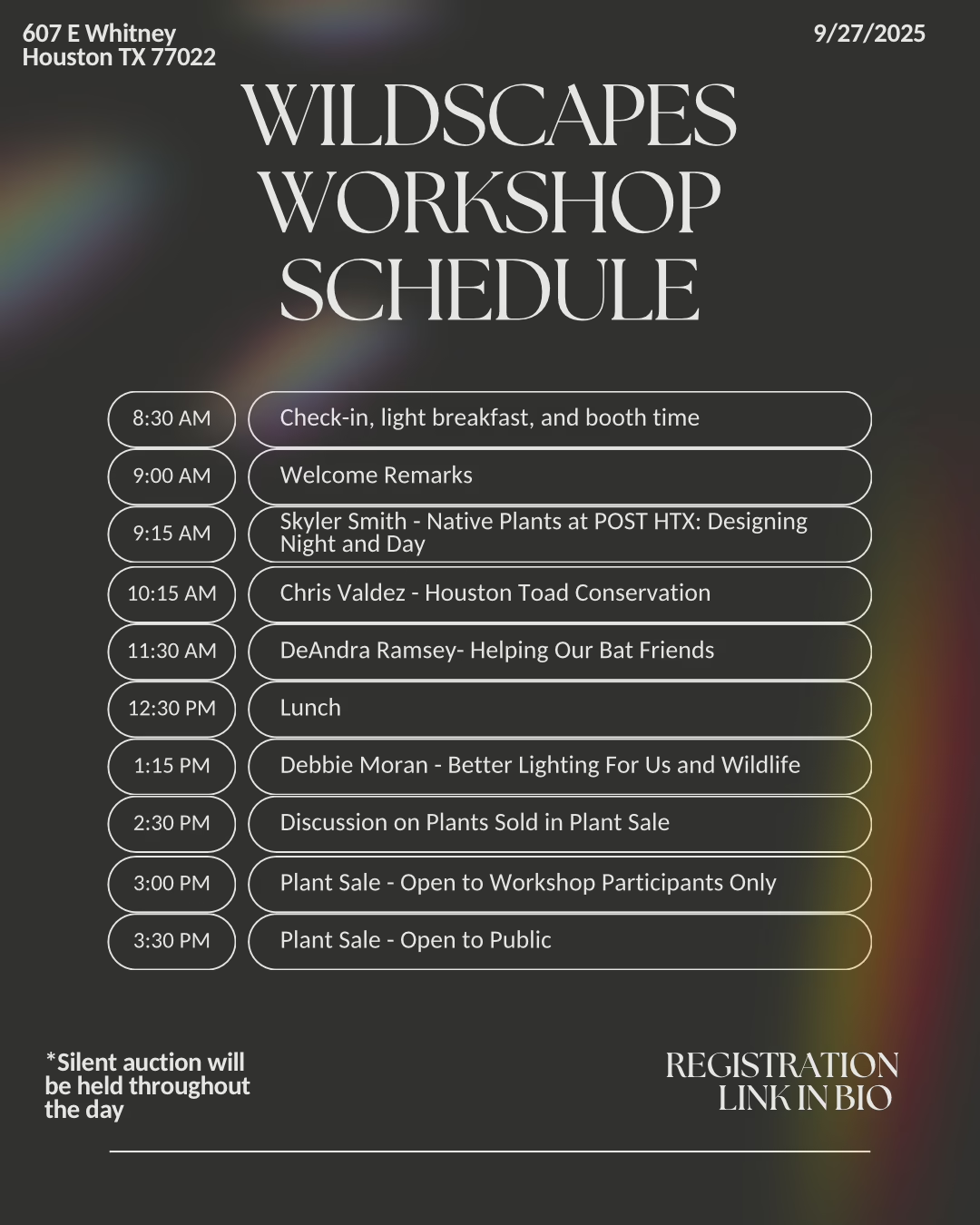
Wildscapes Workshop Lineup
Check out the lineup of activities for the day and get yourself registered. We will be selling yard signs, NPSOT merch, books, and of course native plants! There will be a silent auction and raffle throughout the day, and exhibitors on hand to include native landscape design firms and other like-minded non-profit organizations.

Countdown to the Big Day — North Texas Giving Day on September 18!
The countdown is on! In just one week—Thursday, September 18 — is North Texas Giving Day. Have you supported the NPSOT Collin County Chapter yet? Here’s why now is the perfect time: Let’s make this Giving Day one to remember, with gardens blooming and pollinators thriving thanks to you. Together,
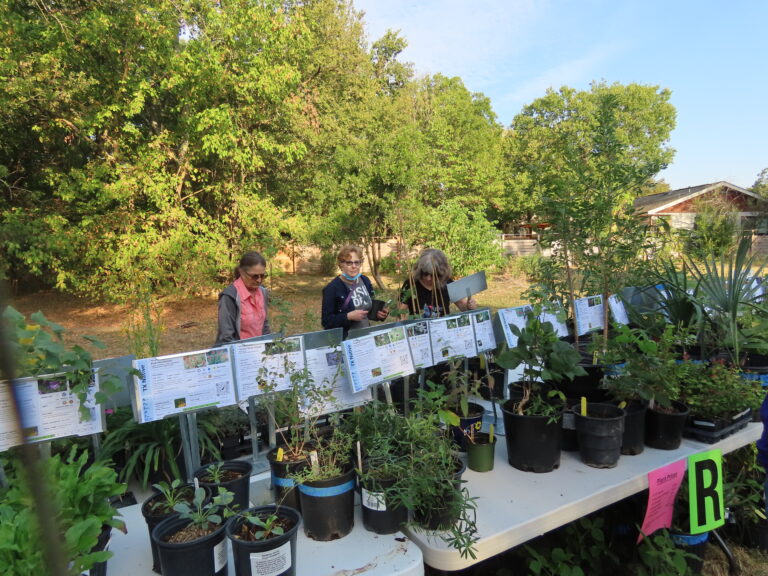
Fall 2025 Plant Sales
Fall is the best time to plant native flowers, shrubs, and trees, and many of our chapters have upcoming fall plant sales. Take advantage of this opportunity to easily obtain native plants suited to your ecoregion and along with making your space beautiful, you’ll be providing food and habitat for

Conservation Tips: Controlling Invasives, How to Know Your Soil Type
“I’m looking forward to sharing tips on how on how to be part of the conservation solution ,” said Warren Day, USDA District Conservationist in Fredericksburg, “How to use our soil information to keep our water clean and abundant, our soils healthy, and have resilient landscapes.”
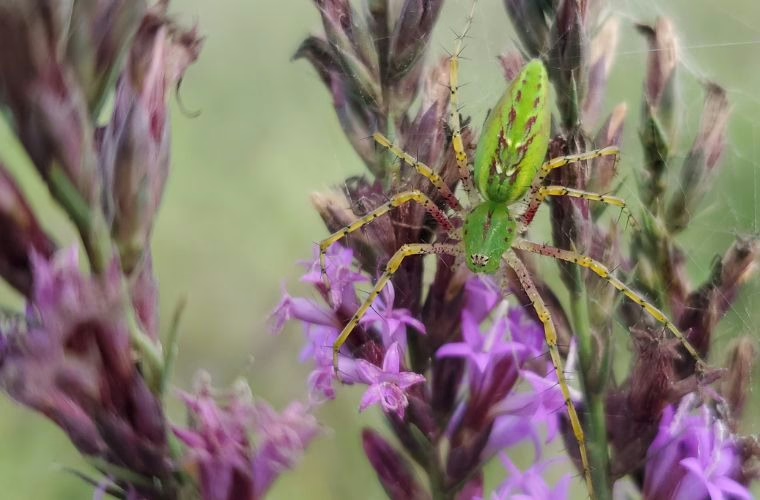
Chapter Meeting: Native Wildflowers of Attwater Prairie Chicken NWR
Discover 40 native wildflowers of the Attwater Prairie Chicken National Wildlife Refuge, home to rich prairie habitats and trails.
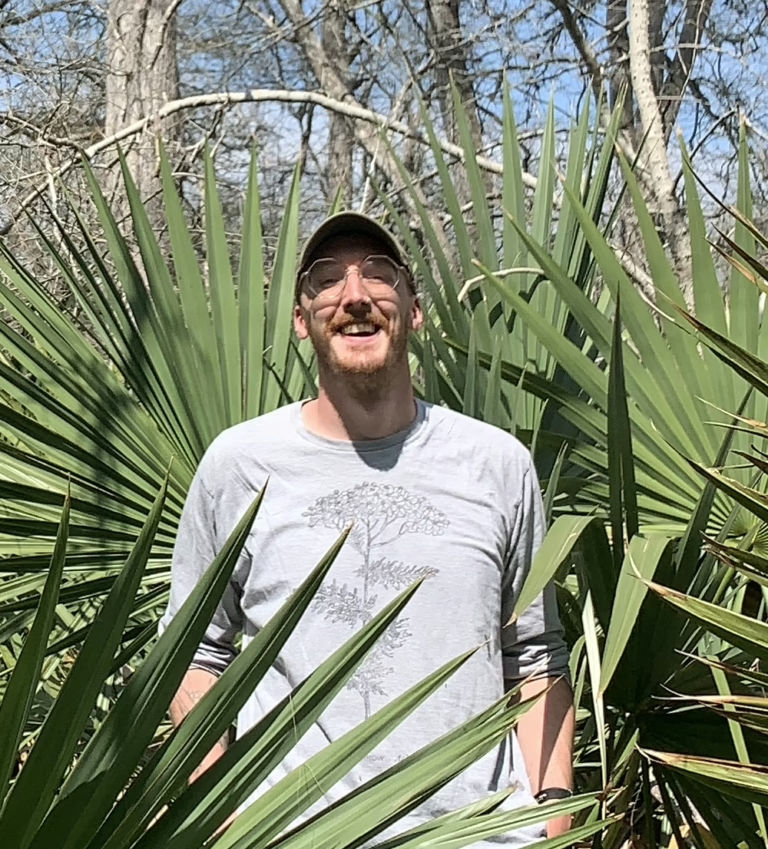
Accepting Grant Applications: September 1 – October 15, 2025
The Native Plant Society of Texas offers the following research grant to graduate students at Texas universities who are performing academic research related to Texas native plants and/or to the conservation and restoration of native plant habitats of Texas: Ann Miller Gonzalez Graduate Research Grant This research grant is named in

September chapter meeting – September 20
Lee Marlowe, the Sustainable Landscape Ecologist for the San Antonio River Authority, is the speaker for Highland Lakes Native Plant Society of Texas’s Chapter Meeting at the Marble Falls Library, 101 Main Street, from 1:00-3:00 p.m. on Saturday, 20 September. This meeting will count as one hour of Advanced Training