

When a swamp is more than swamp
Wetlands help to improve water quality, provide habitat for fish and wildlife, reduce flood damage and pollution, control erosion and recharge groundwater
State board to meet in Nacogdoches
The State Board will hold its Spring 2015 meeting at the Mast Arboretum on April 18.

Got Drought? Grow Natives Part 1
by Carolyn Walden – Boerne Chapter, Native Plant Society of TexasPublished in Boerne Star on March 13, 2015 It appears that drought is the new climatology norm for the Texas Hill Country, which brings with it mandatory watering restrictions and thirsty or even worse, dead plants. But don’t despair, that doesn’t
March’s Meeting
**ARCHIVED POST ** On March 16, 2015 – Ricky Linex from USDA Natural Resources Conservation Service of Texas will talk about the “Riparian Management – Why Creeks Act the Way They Do” Come and learn about the interaction of water, soil or sediment and vegetation as it relates to the
A tip of the cap to Texas mallow
The Texas mallow or Turk’s cap is typically found in shade at the edges of woods near rivers or streams and moist areas.
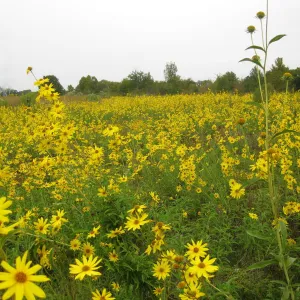
NPSOT Plans Youth Photo Competition
by Rheda Boardman – Boerne Chapter, Native Plant Society of TexasPublished in Boerne Star on February 27, 2015 Calling all shutterbugs! With spring just around the corner, the Boerne Chapter of the Native Plant Society of Texas, in collaboration with the Cibolo Nature Center and Farm and the Patrick Heath Public
Spring symposium at the Wildflower Center
Our spring symposium on March 28 will feature presentations by Brandi Clark Burton, Scooter Cheatam and others. Register online.
Nominations open for Fellows Awards
Members may submit nominations using the online Fellows nomination form or send an email to awards@npsot.org. You can also mail a downloaded PDF form
Send nominations for our annual awards
Please use the awards nomination form to submit an online nomination for awards to be presented in October 2015. Nominations may also be submitted to awards@npsot.org.
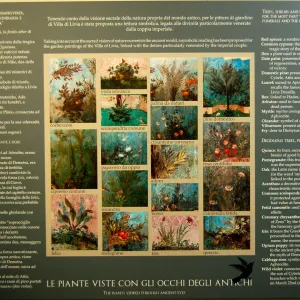
Two Thousand Years And Few Degrees of Connections
By Delmar Cain – Boerne Chapter, Native Plant Society of TexasPublished in Boerne Star on February 6, 2015 Last October my wife and I visited Italy to celebrate our anniversary. While in Rome we toured the Museo Nazionale Romano: Palazzo Massimo alle Terme, to see among other things one of my
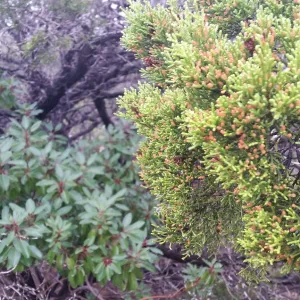
Ashe Juniper is Really More Good Than Bad
By Jane McAuliffe and Mary Dunn – Boerne Chapter, Native Plant Society of TexasPublished in Boerne Star on January 25, 2015 There are at least 50 species of junipers in the Northern Hemisphere, but the type we have here in the Hill Country is Ashe Juniper, or Juniperus ashei. Ashe
Texas Pollinator Pow-Wow February 28
Birds, bats, bees, butterflies and more! Learn about Texas native plants and their pollinators, the conservation challenges they are facing, and how you can help.
