

License plates will benefit Wildflower Center
Vote for Texas Wildflowers! Head over to the Texas DMV website and give a thumbs up to the proposed Texas Wildflower license plate.
See all the photo contest entries
Check out all the entries in our 2014 members photo contest.
Photos from our Texarkana symposium
Watch a slideshow of images from our recent symposium in Texarkana. Photos by Robert Kamper, Cecil Carter, Lonnie Childs, Kay Zagst and others.
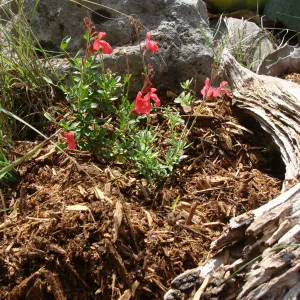
Primal Matter For Your Garden
By Christine Westerman – Boerne Chapter, Native Plant Society of TexasPublished in the Boerne Star on November 13, 2014 Years of gardening has taught me to really appreciate organic matter. But when I thought about writing about organic matter, I quickly observed a problem – could anything sound more dull?
Fall aster and other “late” bloomers
With the right plantings, the native plant garden can have fresh blooms all year. Fall aster (Symphiotricum oblongifolium) is the star in this plant profile, with photos of other natives still flowering in October and November.
Planning starts for 2015 fall symposium
The 2015 fall symposium will be in Austin. The Austin Chapter is inviting everyone to come to the first planning meeting on November 11 at the Tarrytown United Methodist Church.
Awards presented in Texarkana
The Society recognized excellence in writing, acts of conservation and public service, and lifetime achievement during the annual awards banquet at the Texarkana Convention Center on October 18.
Presidents Awards recognize achievement and service
Carol Feldman, Malinda Slagle and Sam Kieschnick recognized for their service to the Society
Guadalupe is the “chapter of the year”
Membership growth, public outreach and publicity were the keys to the success of the Guadalupe Chapter
Two elected to State Board
Theresa Thomas and Deedy Wright elected to the board; other State Board news
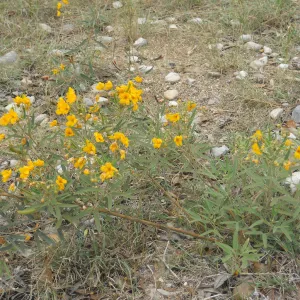
Twoleaf Senna—A Hardscrabble Star
by Les Barnes – Boerne Chapter, Native Plant Society of TexasPublished in the Boerne Star on October 17, 2014 About six years ago while walking near the road shoulder by my place at Fair Oaks Ranch, I noticed a small bush with bright yellow-gold flowers. Twoleaf senna (Senna roemariana), named
Video: What’s the BUZZ about native plants?
Tom Spencer of KLRU interviews Cathy Downs of the Native Plant Society about Monarchs, milkweed and the importance of native plants
