

Science Fair winners get scholarships
**ARCHIVED POST ** Vice President Education Stephen Brueggerhoff awarded a certificate of merit award in each of the Junior and Senior Science Divisions at the ExxonMobil Texas Science and Engineering Fair April 2 in San Antonio at the Henry B. Gonzalez Convention Center. A scholarship of $100 each will be

At Home in the Hill Country – Escarpment Black Cherry
By Delmar Cain If you are considering another tree for your place, how about an attractive, relatively fast growing upright native that prefers a well-drained limestone site, has beautiful fragrant flowers that attract several butterfly species, has fruit eaten by many birds and mammals and finishes the year with wonderful

A Tale of Two Plants
By Delmar Cain It would be right of you to ask why I, the current president of the Boerne Chapter of the Native Plant Society of Texas, have an oleander (Nerium oleander) in my yard. It is not prominent but then again neither is it hidden beside the path at
Fragrant phlox is easy to grow
Whether you call it downy phlox, prairie phlox or fragrant phlox, our native phlox, Phlox pilosa, carries a perfect Texas star at the center of each blossom.
March 2011
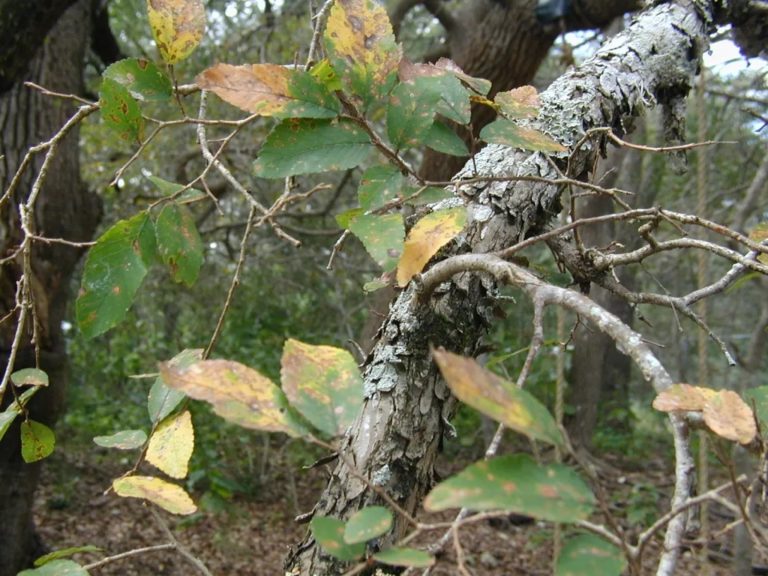
NICE! Plant of the Month (Ulmus crassifolia) Family: Ulmaceae Other Common Names: Olmo Type: Deciduous medium-sized shade tree with a single straight trunk. Natural Habitat: Oklahoma to Central and South Texas, east to Arkansas and Mississippi. Growth: Moderately fast, mature height 30-60 feet with a narrow rounded to irregular crown.
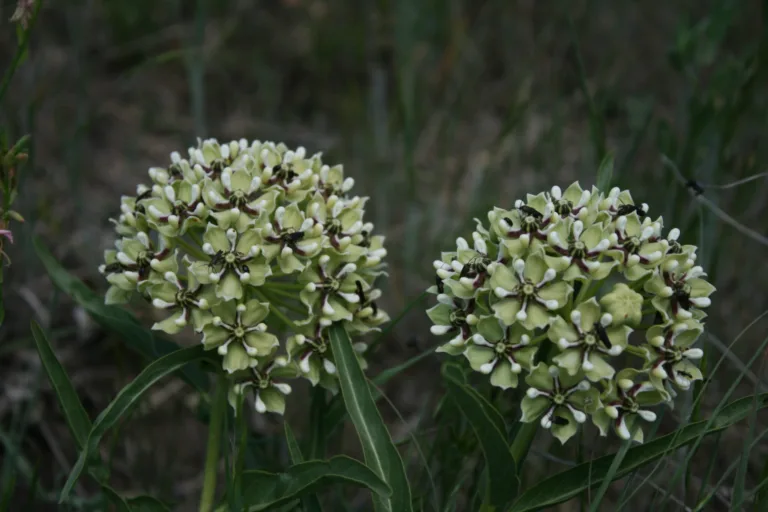
Got milkweed? Monarchs need it to survive
Without a major effort to restore milkweeds to as many locations as possible, the Monarch population is certain to decline to extremely low levels.

What’s In A Name — The Texas Fall Elm
By Delmar Cain Bill Ward introduced seven trees that are being promoted in 2011 by the Boerne chapter of NPSOT in Operation NICE (Natives Instead of Common Exotics). The cedar elm (Ulmus crassifolia) or perhaps a less confusing common name, Texas fall elm, is the third tree and the March
Volunteers support natives at Bush Library
Our Dallas Chapter was contacted to help select native plants for a high-profile terrace area at the Bush Library in Dallas.

Got Milkweed? Monarchs Need It To Survive
By Kip Kiphart In 2010, the monarch was added to the World Wildlife Fund’s Ten Most Threatened Species List, due to loss of habitat necessary for survival of the monarch migration. Fall migrating monarchs past through Texas, overwinter in the transvolcanic mountains of Mexico and return to Texas in the
The many beneficial traits of cedar elm
The “cedar” in the name refers not to any trait of the tree itself, but to the junipers it likes to hang around with. And even those junipers are not really cedars.
February 2011
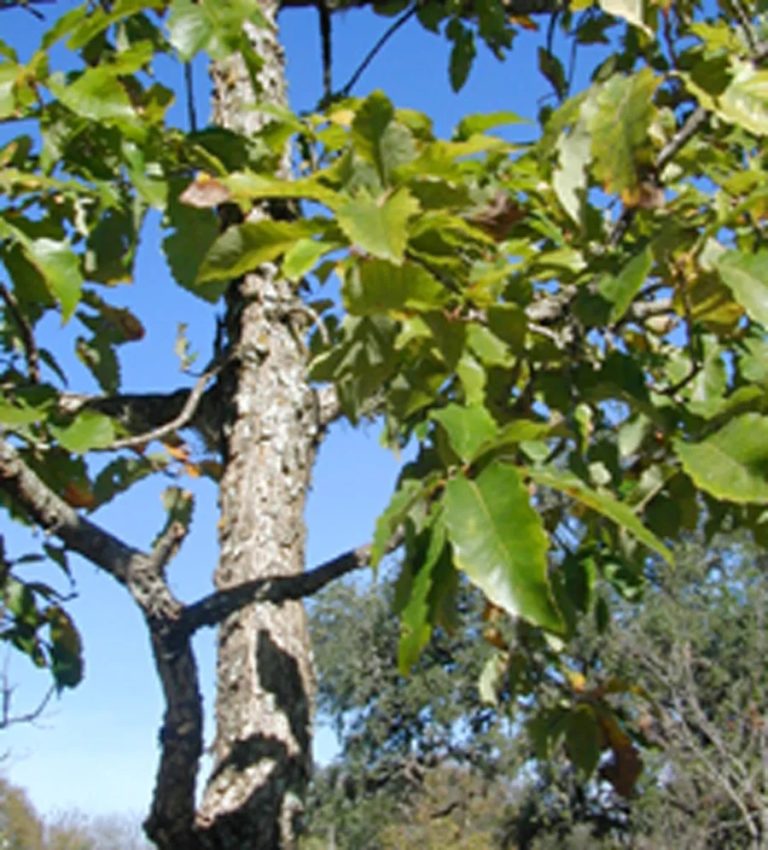
NICE! Plant of the Month (Quercus muhlenbergii) Family:Fagaceae Other Common Names:Chinkapin Oak Type:Moderate sized shade tree, deciduous, white oak and resistant to oak wilt disease. Natural Habitat:Calcareous woods in Trans Pecos, Hill Country, and East Texas and much of the eastern two thirds of U.S and northeastern Mexico. Growth:40-60 feet;

Chinquapin Oak – a NICE! good looking shade tree
By Carolyn Walden Last month Bill Ward wrote about tree diversity as a hedge against the spread of “oak wilt” that mostly attacks live and red oaks. He introduced the first of seven trees that are being promoted by the Operation Nice! (Natives Instead of Common Exotics!) in 2011. The
