October 2009
NICE! Plant of the Month (Fraxinus texenis) Family: Oleaceae (Olive Family) Type: Small deciduous tree. Natural Habitat: Rocky slopes and lakeshores in Central and North Central Texas. Growth: 30-45 feet in height, space 20-30 feet apart. Deer Resistance: Cage trees. Wildlife: Many species of birds and small mammals feed on
Early fall is ‘springtime’ in the Chisos Mountains
**ARCHIVED POST ** September is our favorite time to go to Big Bend National Park, because the crowds are gone and the mountain wildflowers are in full bloom. This year was no exception. In fact, all of Big Bend Park was greener than we ever remember seeing it. Plenty of
Texas ash – a better choice
**ARCHIVED POST ** Texas ash (Fraxinus texensis or F. americana var. texensis) is a handsome shade tree getting up to 30-45 feet high.
What’s blooming now?
**ARCHIVED POST ** It seemed that within hours of the first rains the week before last, several of our backyard plants burst into bloom. They had been waiting out the drought long enough.
Texas Ash — NICE! tree for October
Author: Bill Ward The hint of fall in the morning air makes me want to get back outside with the native plants. A few plants that didn’t survive the exceptional drought in our yard need to be replaced, and October will be a good time to plant wildflower seeds in
Yards of the future — which native plants will be used?
Author: Bill Ward A recent report from the Office of the State Climatologist states that for our part of Central Texas, “the intensity of the 2009 drought is greater than that of most but not all of the major historical droughts of the past 110 years.” No surprise; it’s been
Yards of the future – what native plants will be used?
**ARCHIVED POST ** A recent report from the Office of the State Climatologist states that for our part of Central Texas, “the intensity of the 2009 drought is greater than that of most but not all of the major historical droughts of the past 110 years.” No surprise; it’s been
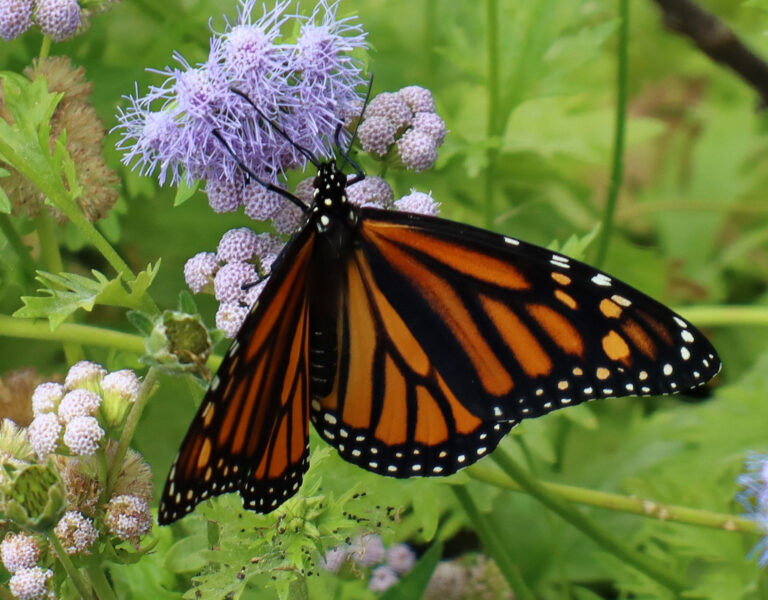
Plant blue mistflower for butterflies
One of the best butterfly magnets for Texas gardens is blue mistflower.
September 2009
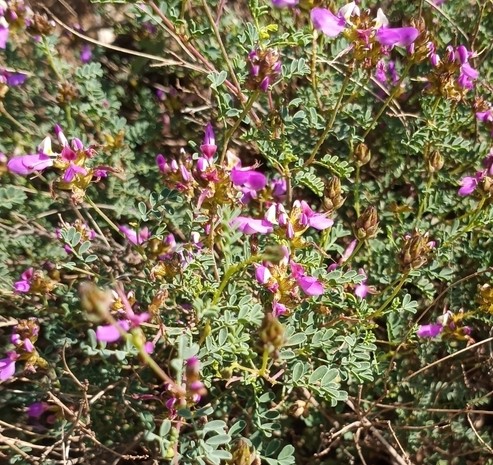
NICE! Plant of the Month (Dalea frutescens) Family: Legume Family (Fabaceae) Other Common Names: Black Prairie Clover Type: Perennial shrub, deciduous. Natural Habitat: SE Oklahoma, Central Texas west to New Mexico; Mexico. Dry rocky limestone soils, on hillsides among brushy vegetation. Growth: 1-3 ft high, rounded and spreading. Deer Resistance:
Future of Benny Simpson research plots
**ARCHIVED POST ** Representatives of the Native Plant Society of Texas met recently with Texas AgriLIFE Extension representatives to discuss a partnership under which the Society would undertake to clean up the site of the Benny J Simpson Native Plant Collection and provide oversight and funding for the collection in
People, Prairies: Partners
Wichita Falls will be the site of the annual Native Plant Society of Texas symposium October 15-18, 2009
Plant black dalea in hot, dry gardens
Black dalea (Dalea frutescens) is a highly drought-resistant little shrub with small purple and white flowers