


Native Plant Rescue Project – May 17 Chapter meeting
Our next Highland Lakes-NPSOT Meeting, which will be Saturday, 17 May, 1:00-3:00 p.m. at the Marble Falls Library, 101 Main Street. This meeting will count as one hour of Advanced Training credit for Master Gardeners, and one hour of Advanced Training credit for Master Naturalists. Ashley Landry is the founder of the Native

Fall Plant Sale on October 25
Rain or Shine! The Clear Lake Chapter’s fall plant sale is happening October 25, 2025, from 8 to 10:30 am.

Nominations Are Open for 2025 Annual Awards!
Each year our Society recognizes achievements of individuals and groups whose work supports our mission and enriches our understanding or appreciation of Texas native plants. Awards are presented for acts of conservation and public service, excellence in writing, horticultural achievement, lifetime achievement, and service. These awards are selected by the

Chapter Meeting: Train the Trainer—Teaching About Monarchs in Low-tech Spaces
May 12 — Carol Clark will present a workshop designed to give participants the knowledge and confidence they need to teach about Monarch butterflies in outdoor and other low-tech settings.

Spring 2025 Member Magazine
Executive Summary | Blooming with Possibility | Wildflower Waltz | Native Grasses | Member News | Texas Wildflower Day
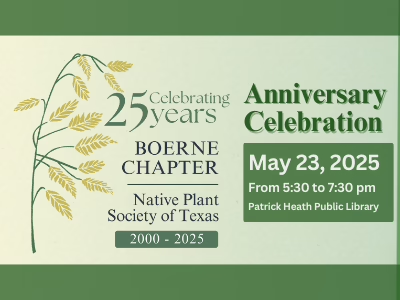
Come Celebrate our 25th Anniversary on Friday, May 23rd!
We are thrilled to announce a special event to celebrate our 25th anniversary, to be held on Friday, May 23, 2025, from 5:30 PM to 7:30 PM at the Patrick Heath Public Library in Boerne. NPSOT members and NPSOT friends are invited! This milestone celebration will feature a variety of

Wanted Mountain Cedars, Dead and Alive
For more than 100 years, we’ve fought the woody brush spreading across the limestone regions of Texas called karst country. Much of this woody cover consists of native juniper trees, commonly called mountain cedars. Instead of causing harm, we now know mountain cedars act as ecosystem engineers to improve and sustain Texas karst country function.

Greenbrier: Texas-Tough Vines with a Purpose
Greenbrier Vines are typically dismissed as a nuisance due to their abundant thorns and aggressive growth. But these native plants are the very definition of “Texas-tough”, as the woody vine can thrive in a range of habitats and conditions. In suburban landscapes, they will not win any popularity contests. But
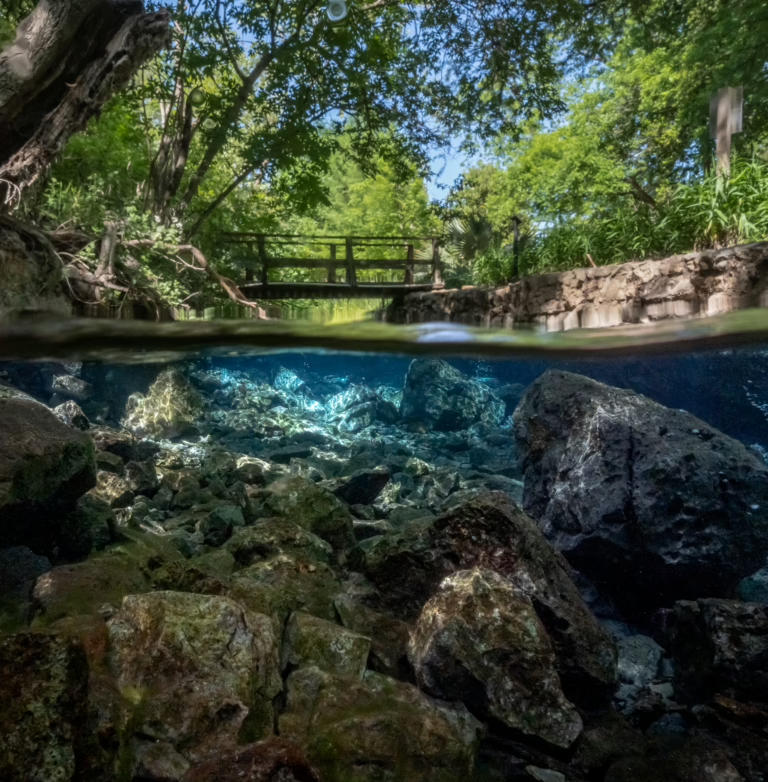
The Edwards Aquifer – The Geology, Hydrology, and Ecology of this Unique Aquifer System
May 2025 Presentation by Brent Doty, P.G., Research Manager, Edwards Aquifer Authority. The Edwards Aquifer – The Geology, Hydrology, and Ecology of this Unique Aquifer System.

You’re Invited! Join Us for the Inaugural Boerne NPSOT Art Show!
Celebrating 25 Years of the Boerne Chapter In honor of our 25th anniversary, we’re thrilled to present the first-ever Boerne NPSOT Art Show, spotlighting the incredible talents of local artists and the natural beauty of our native Texas landscape. Discover how local creatives are capturing the magic of our native
Reminder: May 6th Chapter Program – Location Change
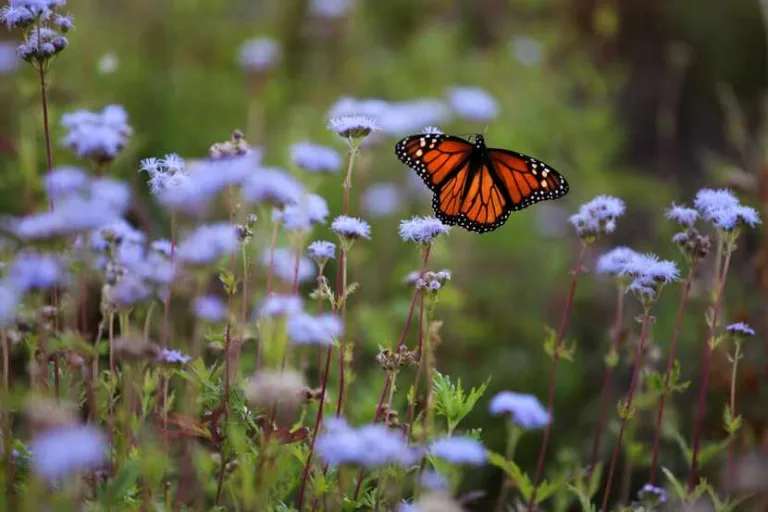
A reminder to join us for our May 6th chapter program, a hybrid meeting and joint presentation hosted at the John and Judy Gay Library in McKinney and virtually via Zoom. This event is also part of McKinney’s Green Seminars and features Carol Clark as our presenter, speaking on “North Texas Pollinators”. For more
