


Working with Developers and HOAs on Native and Water-Wise Landscapes
July 2025 Presentation by Marisa Bruno of Phil Hardberger Park. Working with Developers and HOAs on Native and Water-Wise Landscapes

Texas Lantana – a N.I.C.E. plant for a HOT summer
A native, bullet-proof plant for the hot Texas summer, the Texas lantana resists drought, heat, and deer. The Texas lantana is sometimes called “Calico Bush” for the patchwork colors in the flower clusters that change from yellow to orange to red as they age.
PLEASE DON’T PLANT THE PINK AND YELLOW LANTANA

Don’t Miss Our July 1 Chapter Meeting!
Join us on Tuesday, July 1 for the Collin County Chapter’s next meeting as we explore the “Ecological Importance of Landscaping with Native Plants – Trees and Shrubs”. The presentation by Roger Sanderson will highlight how even small-scale native plant landscapes can support biodiversity, restore balance, and improve the health
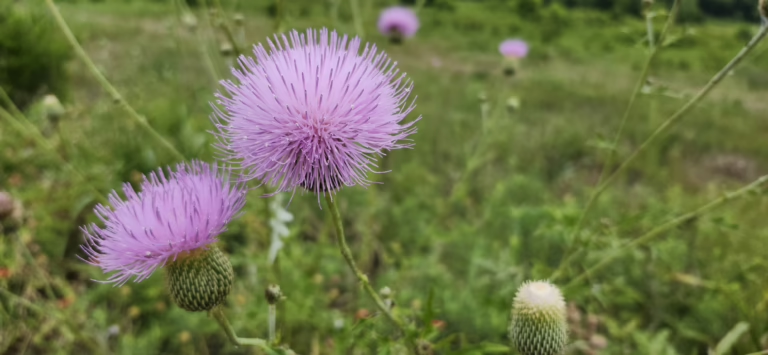
Wrongfully Accused: The Texas Thistle’s Identity Crisis
Native Texas Thistle deserves more recognition as a state-wide treasure for its contributions to our ecosystems. Greater understanding will help end confusion with invasive thistles and transform attitudes from suspicion to appreciation.

Congratulations to our 2025 Undergraduate Scholarship Recipients
Hillary Xu Arnan Pawawongsak Charles Pouland Gracey Kettler The Native Plant Society of Texas offers the following academic scholarships to undergraduate students at Texas universities who are pursuing studies and are engaged in the furtherance of the NPSOT mission “to promote conservation, research and utilization of native plants and plant

14 on the 14th: Native Texas Plants to attract Butterflies
🦋Native plant lovers – it’s time for our June #14onThe14th list, and we are taking wing with BUTTERFLIES!🦋 Adding these native plants to your garden provides essential nectar for adult butterflies and host plants for their caterpillars, creating a complete lifecycle habitat. Below is a list of 14 powerhouse native

Landscaping from the Ground Up, June 24
Building a new house, or moving into one, can be daunting. Luckily, Kathy Saucier has experience with Texas native landscaping. She shares the opportunities and challenges of working with a blank slate around your home at the June 24 meeting of the Native Plant Society of Texas (NPSOT), Fredericksburg Chapter. She also describes how she explored which Texas natives would thrive and support the wildlife around the property
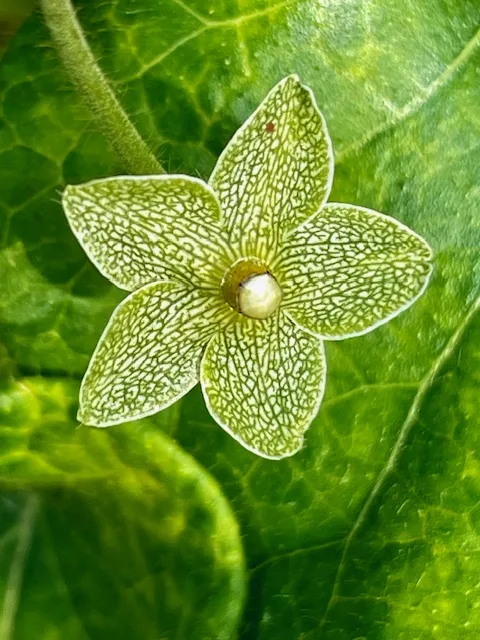
June 2025 Plant of the Month
Have you seen the elusive Pearl Milkweed Vine? It may be going on a fence or neglected part of your yard. The monarch butterflies know where they are! Click on the plant below for more details


NICE Summer 2025 Plant of the Season
Lemon Beebalm: Annual Wildflower with Medicinal Uses Monarda citriodora, is a hardy, annual wildflower found in sandy or rocky soils in prairies and meadows and is widespread in Texas. The plants are 1 – 3 feet tall and about 1 foot wide. Flowers and Seeds: Lemon Beebalm has showy clusters

Gardening Tips, Hints and Hacks June 2025
Try these garden hacks using hairpins and cardboard boxes!
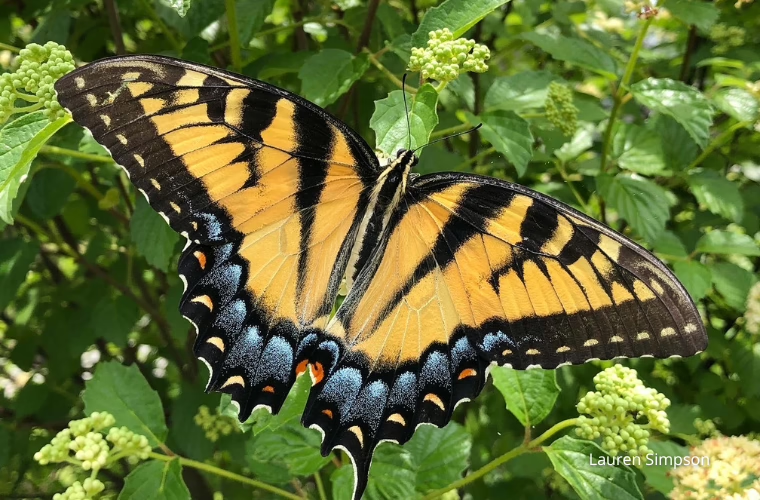
Chapter Meeting: Hold the Phone! Tips for Photographing Native Plants and Wildlife with Your Smartphone
June 9 — Lauren Simpson shares tips for using a smartphone to take clear, beautiful, and impactful photos of native plants and their wildlife visitors.
