


Moczygemba Rewild Ranch – Our Prairie Restoration Journey
June 2025 Presentation by Brice Moczygemba. Moczygemba Rewild Ranch – Our Prairie Restoration Journey.

Embracing Change: How Native Plants Revitalize Our Yards and Ourselves
Welcoming native plants into your home landscape is more than an aesthetic or ecological choice—it represents a fundamental shift in how we engage with our outdoor space. While traditional landscapes often reflect a desire to control or suppress change, locally native plants require homeowners to embrace nature’s fluctuations throughout the
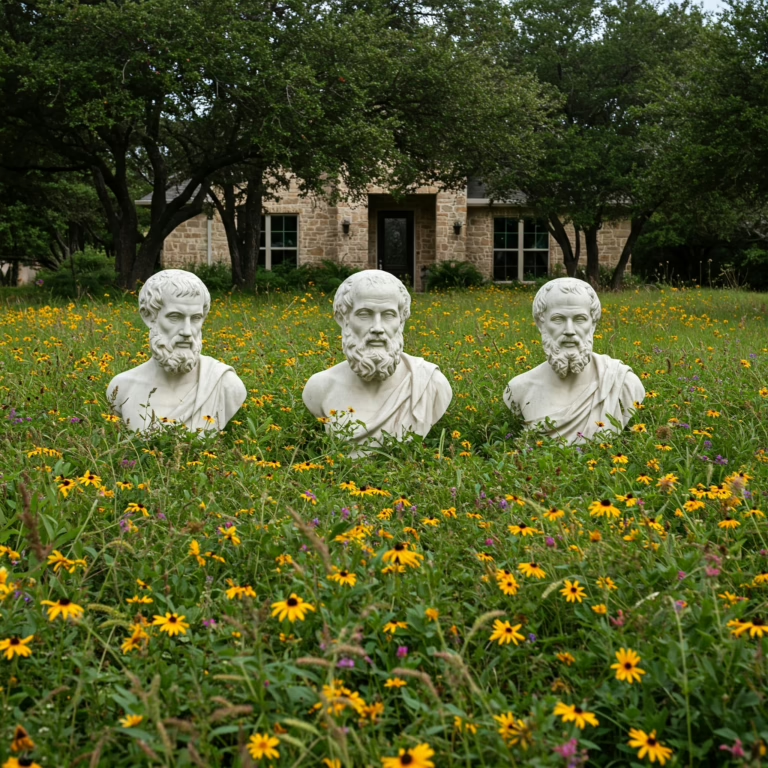
9 Stoic Practices for a Wiser Native Plant Wildscape
At first glance, wildscaping with native plants may seem utterly unrelated to the philosophical principles of Stoicism. Yet, from personal experience, Stoic practices have been a helpful guide for creating a resilient, naturalistic landscape.

Can You Help NPSOT?
Dear Members – We are looking to fill several state leadership positions and need your help! The Native Plant Society of Texas surpassed 5,500 members this year as the public becomes much more aware of the importance of native plants. However, our Society is only as strong as our volunteers!
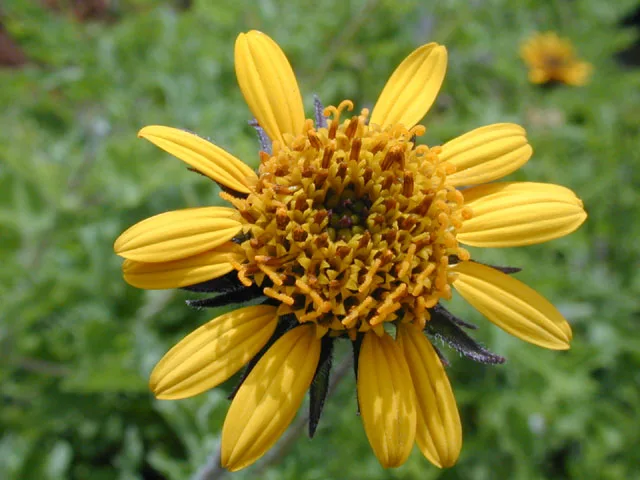
May 2025 Plant of the Month
Bush sunflower is an extremely drought tolerant plant for a chalk prairie. Although it prefers limestone and caliche, it can grow on other soils with good drainage. Works well in a xeriscape. Click on the plant below for more details
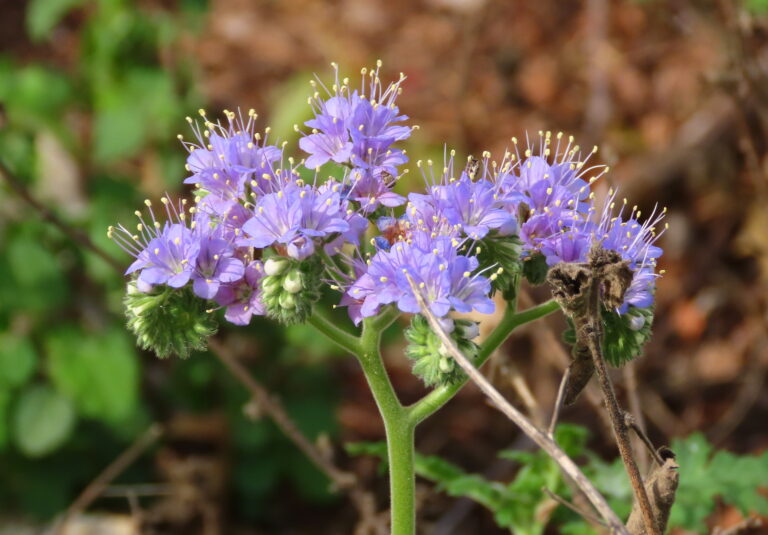
April 2025 Plant of the Month
Blooms March-May. Tall, sprawling growth form. Blue Curls can grow as a biennial in warmer regions. Leaves are soft and deeply lobed. The purple to lavender-blue, bell-shaped flowers grow in slender, coiled clusters which uncurl as the buds develop. The fruit is a capsule. Click on the plant below for

The Fredericksburg Post Office native plant garden is an acclaimed “Pollinator Garden”
On April 30, 2025, the native plant garden at the Fredericksburg Post Office was recognized as a Pollinator Garden Property by the Native Plant Society of Texas (NPSOT) and Texas Master Naturalist-Hill Country Chapter (TMN-HCC) through the Pollinator Garden Assistance & Recognition Program (PGARP).

June 3 Chapter Meeting + Garden Walk
Join us for our June 3rd chapter program, either in person at the Heard Museum in McKinney or virtually via Zoom. Our speaker is Ryan O’Hanlon, presenting on “Aquatic Plants of Texas“. Please note that there will be no video recording available on our YouTube channel of the June meeting.
Dallas May Mtg – Water from Rocks: Uncovering Hidden Reservoirs Beneath Our Feet w/ Eli Hartung
All are welcome to join us in person or via Zoom for this month’s meeting and presentation. We’ll be at the Gaston Christian Center (map) starting around 6:30pm, and the meeting and zoom will begin at 7pm. After the meeting, join us at Gabriela & Sofia’s Tex-Mex for dinner and/or drinks. 10455
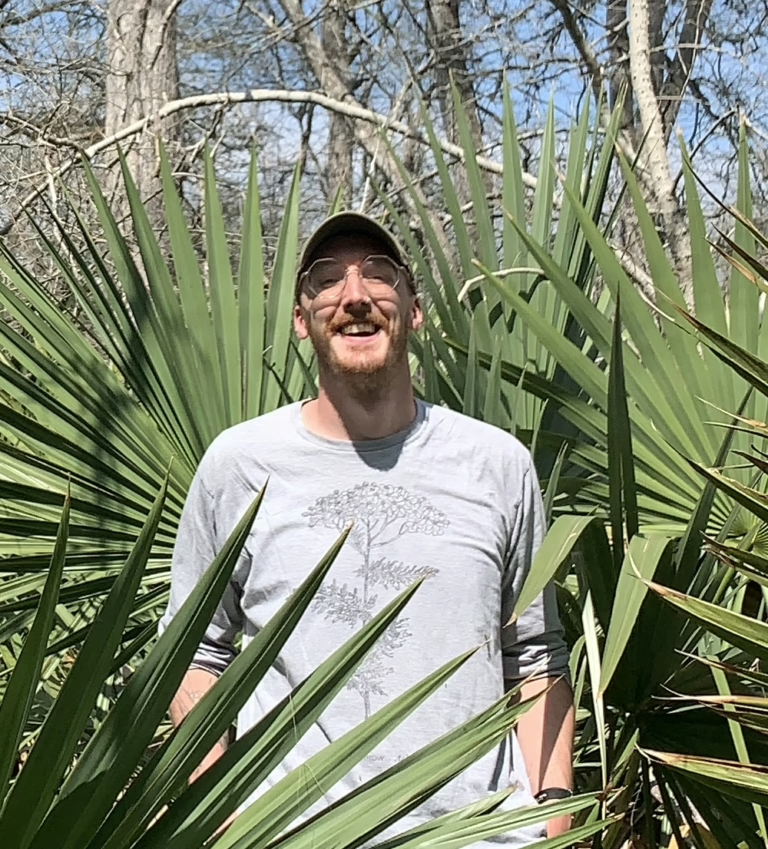
2024 Ann Miller Gonzalez Research Grant Recipients
The Native Plant Society of Texas offers the following research grant to graduate students at Texas universities who are performing academic research related to Texas native plants and/or to the conservation and restoration of native plant habitats of Texas: Ann Miller Gonzalez Graduate Research Grant – This research grant is named

Beautiful Native Grasses of the Texas Hill Country
“When we think of native plants, we usually think about the pretty wildflowers along our roadways, but there’s so much more” said Jonathan Watt, president of NPSOT Fredericksburg. “I’m really looking forward to hearing from Beth McMahon about why our native grasses are beautiful, too, and what they provide for our ecosystem.”
