

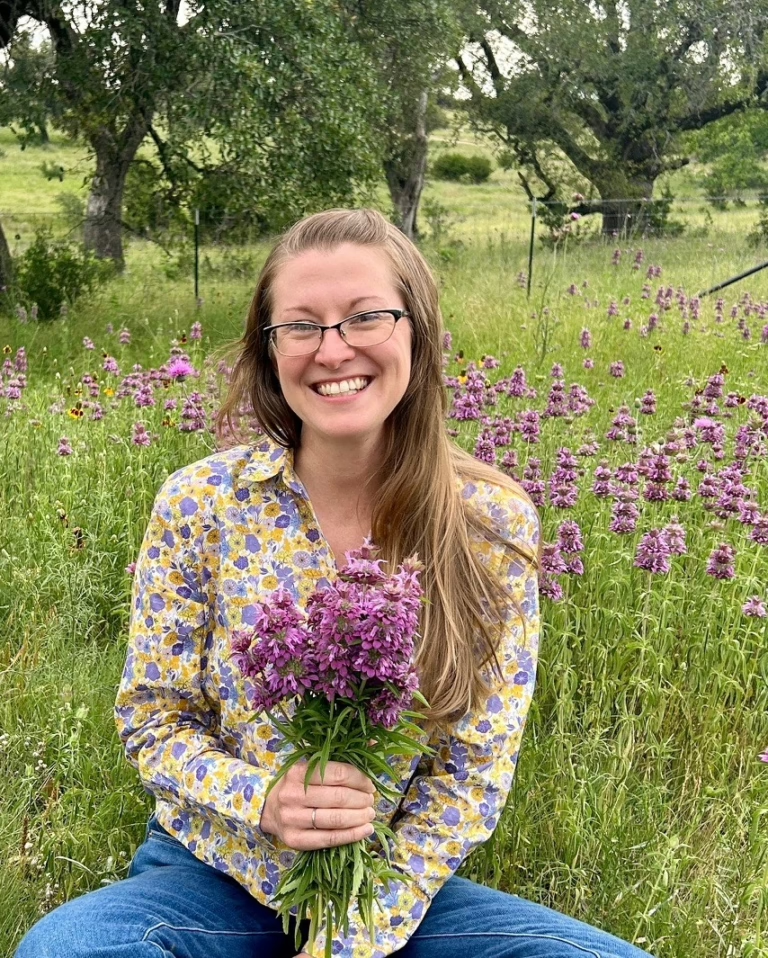
Medicinal Native Plants of the Texas Hill Country
Herbalist Lauren Peterson speaks March 25 at the Fredericksburg chapter meeting. Trouble with tummy ache, sore throat or trouble sleeping, she explores the common medicinal plants in our area with methods and recipes for preparing them. Your may have some of these plants in your backyard. Link to pdf presentation slides and medicinal recipes on the post.
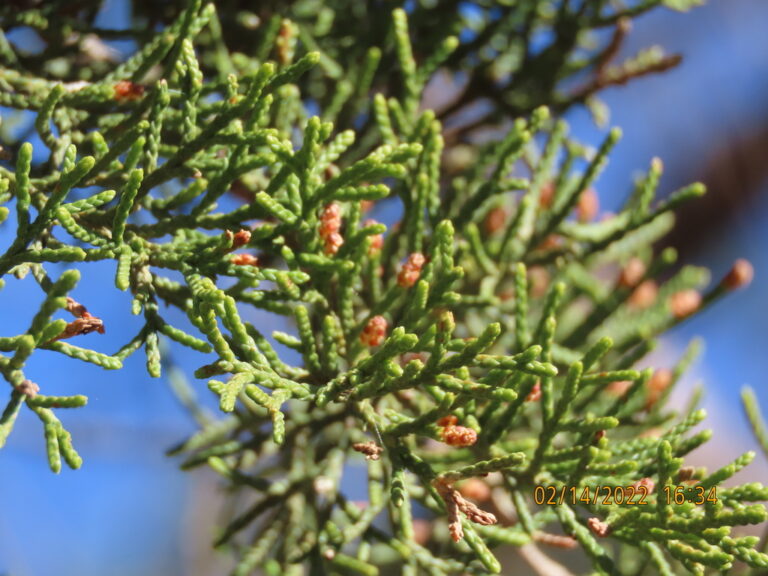
March 2025 Plant of the Month
The Ashe Juniper is an evergreen cornerstone of the Austin area. Click on the plant below for more details

Chapter Meeting: How You Can Save Nature in Your Own Yard: Growing the Native Plant Movement
March 10 — Krista De Cooke shares how individual actions in yards across the country are fueling a national movement to restore 20 million acres of private land for biodiversity.

Harold Laughlin: A Life Dedicated to Nature and Education
While looking through one of our chapter’s old scrapbooks, I found a fascinating article on Harold Laughlin, a noted naturalist, and after Bessie Heard, the most influential person in the Heard Natural Science Museum and Wildlife Sanctuary’s history. His contributions extended beyond the Heard—he was deeply involved with the Native Plant Society of Texas, helping to advance the understanding and appreciation of native plants.
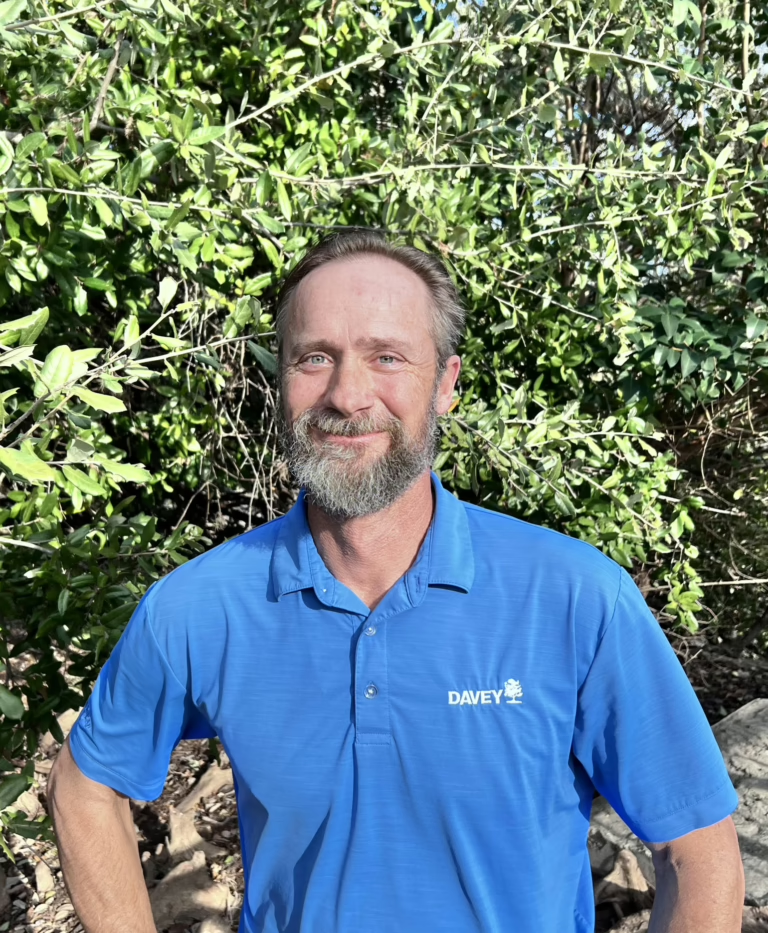
March 15 Chapter Meeting
The next Highland Lakes Native Plant Society meeting will be Saturday,15 March 2025, 1:00-3:00 at the Marble Falls Library, 101 Main Street. Jess Divin, ISA Master Arborist, will be joined by certified arborists Talia Freeman, Kyle White, and William Johnston to present “Improving the Cultural Practices of Tree Care.” Jess will
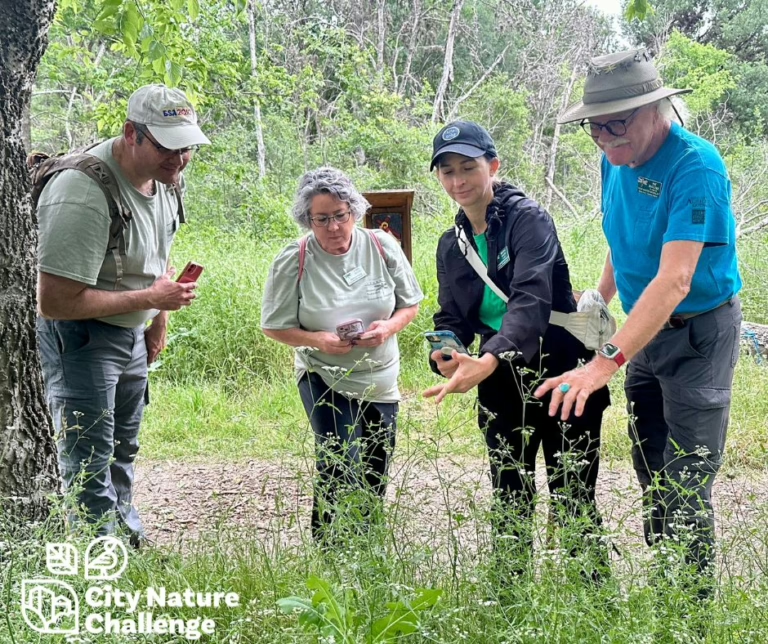
Citizen Science in Action: Discovering Native Plants Through the City Nature Challenge and Beyond
March 2025 Presentation by Peter Hernandez and Jane Weeden. Citizen Science in Action: Discovering Native Plants Through the City Nature Challenge and Beyond.
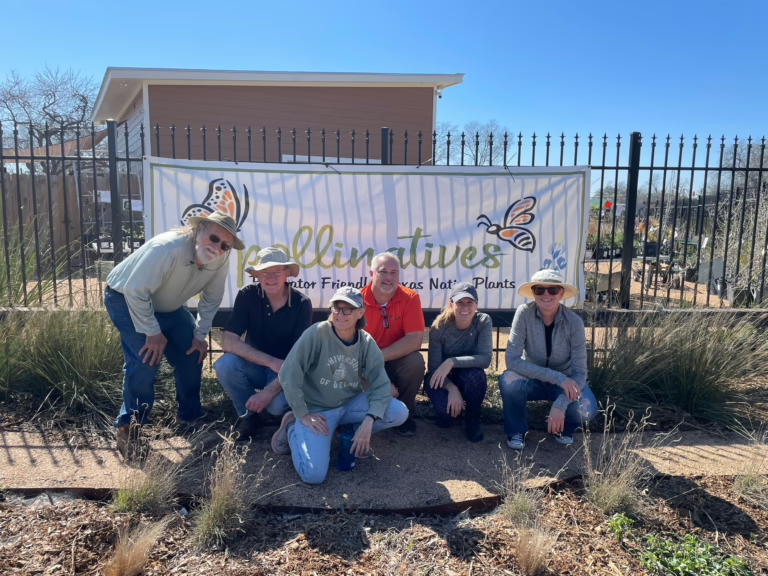
NPSOT SA Workday at Pollinatives Native Plant Demo Garden
On February 25, 2025, six San Antonio chapter volunteers gathered to help with spring pruning of native plants and trees.
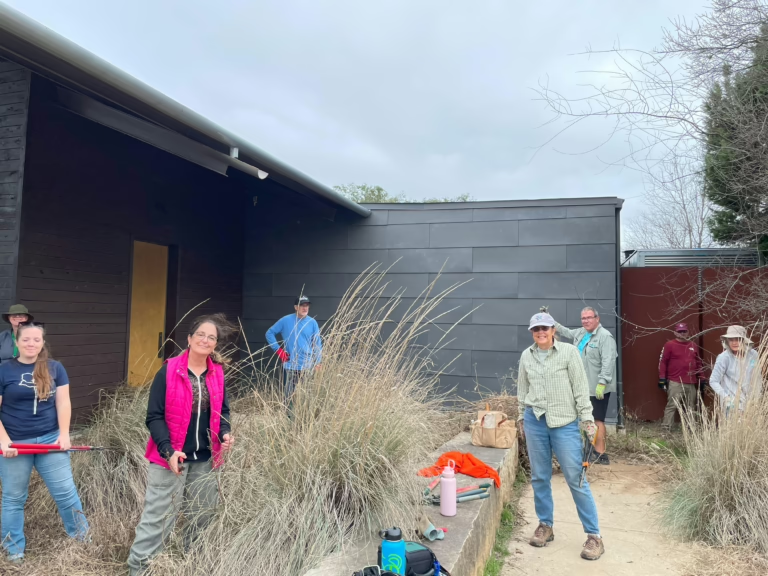
NPSOT SA Workday at Phil Hardberger Park
On February 9, 2025, eleven San Antonio chapter volunteers gathered to prune and tidy up the native plantings around the Urban Ecology Center.

Call for Artists for Local Art Exhibition in Celebration of 25th Anniversary
We are inviting local artists to showcase their nature-inspired artwork in a special exhibition at the Patrick Heath Public Library in Boerne during the month of May 2025, in celebration of our 25th anniversary. This exhibition is an opportunity for local artists to contribute their work to a vibrant display
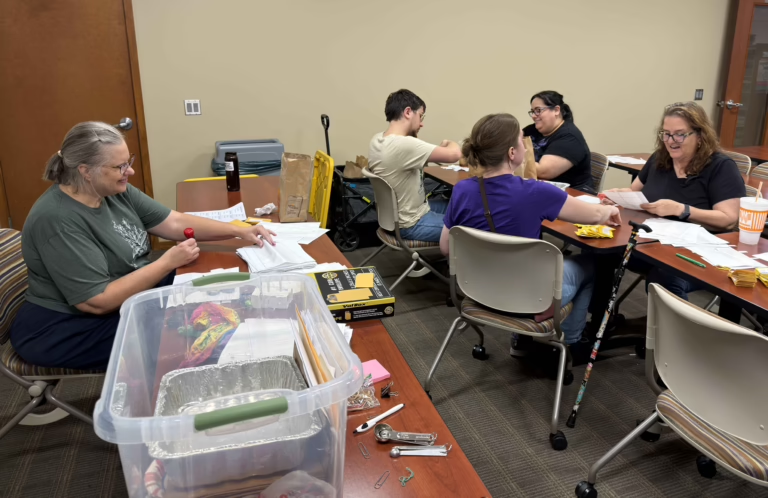
Upcoming Guadalupe Chapter Events
Note: We will not have Membership Meetings in July and August 2026. Our next meeting will be September 8th – See listing below. Saturday, July 11, 2026 – Seed cleaning workday at SEGUIN Library, 1 – 3 pm in the tech lab upstairs. Sunday, July 19, 2026 – Seed cleaning
