


Winter 2025 Member Magazine
Executive Summary | 2024 Society Awards | Nature’s Winter Pantry | Native Plants at TWU | Lawn-free Living |Masters of Disguise | Member News

Boerne Chapter Meeting, Tuesday, March 4
Join us on an exciting journey into the mysterious world of bats and their habitat right here in the Hill Country! Krystie Miner of Bat Conservation International (BCI)’s Bracken Cave Preserve in San Antonio, TX, will unravel the myths and facts surrounding these fascinating creatures, shedding light on their often
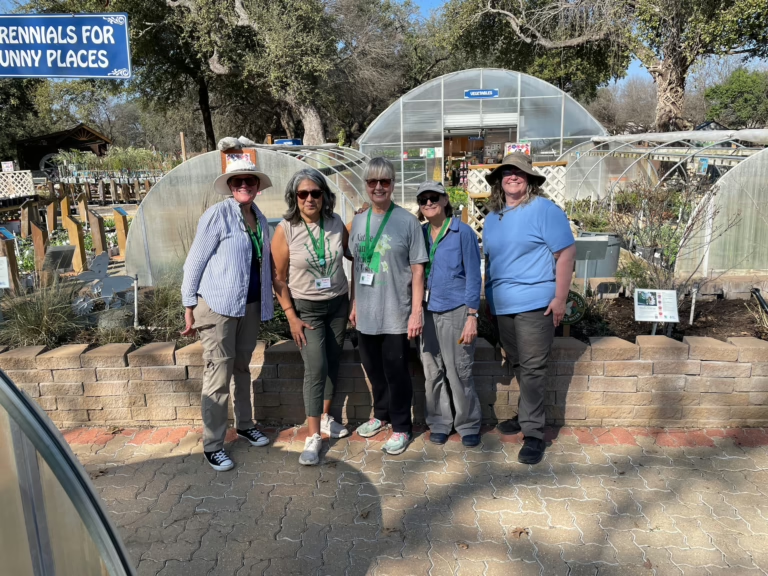
NPSOT SA Workday at Rainbow Gardens Native Plant Demo Garden
On February 8, 2025, five San Antonio chapter volunteers gathered to learn about spring pruning of native plants and trees.
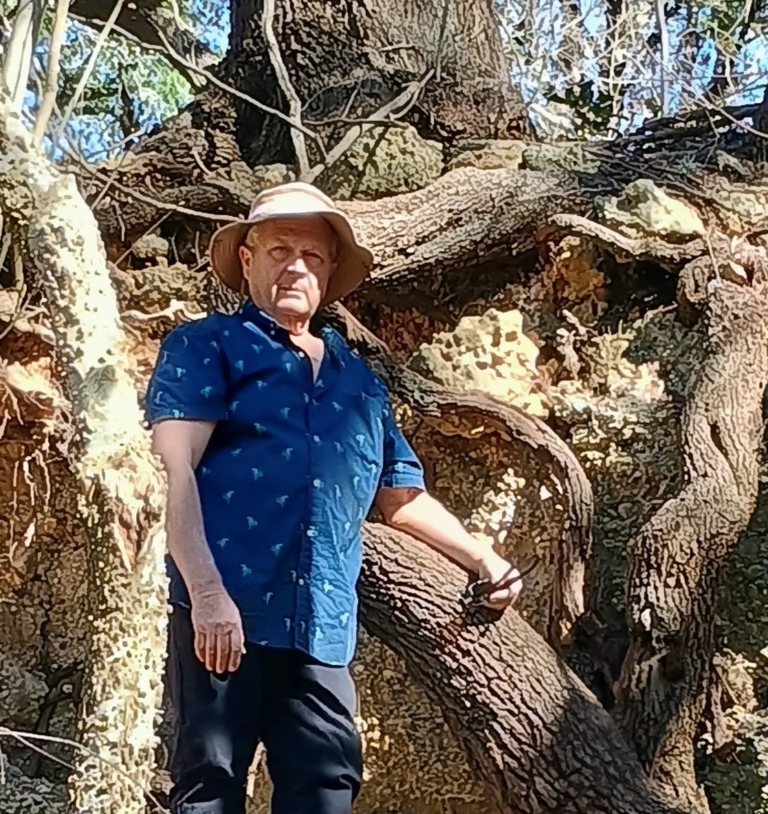
“Let’s Get Growing: Learn to Propagate Native Plants
“I have always been fascinated by seeds and the miracle of the plants growing from them,” stated Watt, President of the Fredericksburg chapter Board of Directors. “I’m looking forward to sharing my many years of experience growing from seed and other propagation methods.”
Watt has been deeply involved with plants, from botanic garden-sponsored expeditions in Central and South America to taxonomy, landscape design, installation and maintenance, plant collection and propagation.
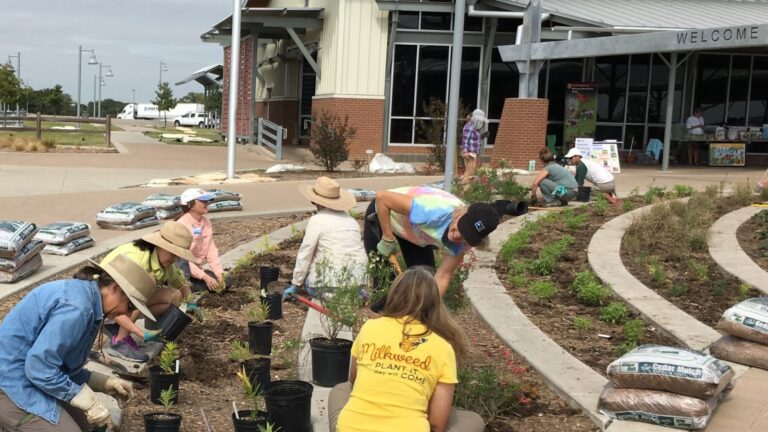
Monarch Waystation Help Needed
Seeking Volunteers On Saturday February 15 there will be a workday at the Hill County rest area monarch waystations. This effort is part of a NPSOT project to maintain monarch waystations along Interstate 35. These waystations, including those in Hill County, are part of an NPSOT project and receive 5.2

A Valentine’s Tribute to Native Texas Plants
A Celebration of the Native Plants We Love Valentine’s Day is a time to show our love and appreciation to those we care about most. Those of us in NPSOT have an abiding love and affection for our native plants of Texas. In that realm, let’s reflect on some native

Now is a Great Time to Become a Boerne NPSOT Member!
We invite you to join the Boerne Chapter of the Native Plant Society of Texas (NPSOT – Boerne)! Being a member of our Boerne Chapter has so many benefits! As part of your membership: You will have the opportunity to participate in monthly meetings on various topics of interest to
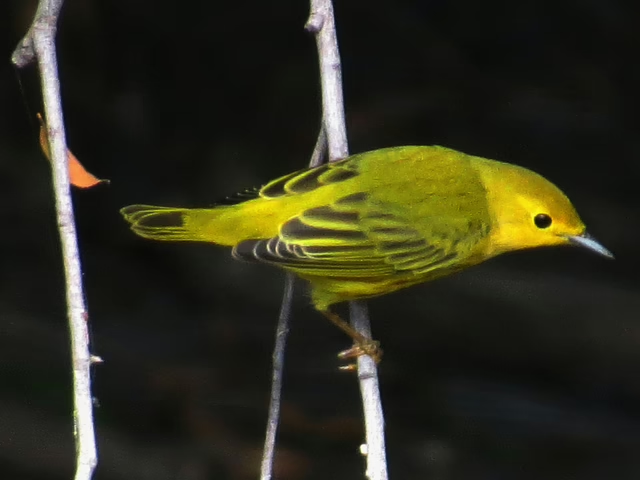
Virtual-only Chapter Meeting – February 4
Gardening for Birds with Native Plants Reminder that our next chapter meeting on Tuesday February 4 at 6:30 is virtual-only – no in-person gathering at the Heard. To join via Zoom: The meeting’s featured presentation is on “Gardening for Birds with Native Plants“, presented by Jane Tillman. Jane will explore
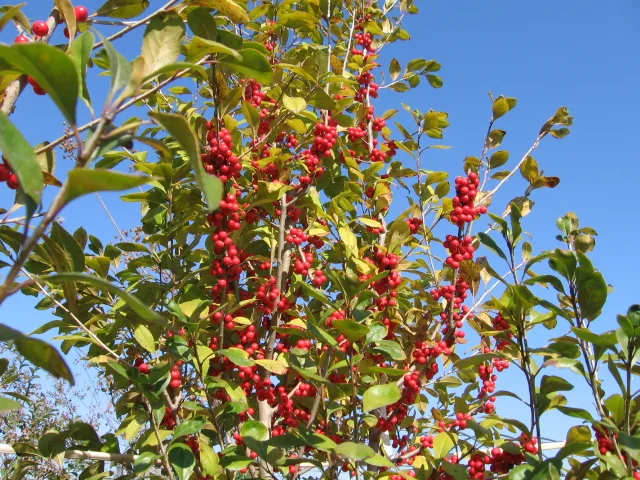
January 2025 Plant of the Month
This perennial large shrub feeds birds with its plentiful berries.Click on the plant below for more details

Riparian and Submerged Aquatic Plant Restoration at Landa Park
Riparian and Submerged Aquatic Plants presented by Casey Williams. Ever wonder what these plants and ecosystems are about? In New Braunfels, Texas, we know the importance of our bodies of water and learning how our native plants interact with them may be eye opening!

Bringing the Natural World Home Using Native Plants: A Personal Journey
February 2025 Presentation by Craig Hensley. Bringing the Natural World Home Using Native Plants: A Personal Journey.
