


Arlon Motsch – January speaker – Transforms Lawn into Native Plant Haven and Photography Studio
Driven by a commitment to water conservation and wildlife support, Arlon Motsch replaced his traditional grass lawn with a variety of Texas native plants. He will share how he overcame the challenges of plant selection and community skepticism while enhancing his home’s aesthetics and sparking a passion for insect photography.
Fredericksburg Announces its new Board of Directors for 2025
The Fredericksburg chapter of NPSOT is pleased to announce the election of its new Board of Directors for 2025. It includes a mix of continuing and new leadership, with Jonathan Watt stepping into the role of President.
Watt has been deeply involved with plants, from botanic garden-sponsored expeditions in Central and South America collecting and studying Aroids (houseplants like philodendrons and pothos), to taxonomy, landscape design, installation and maintenance, plant collection and propagation.
Proposed 2025 Board
See the proposed 2025 Board volunteers for our election at the January chapter meeting.
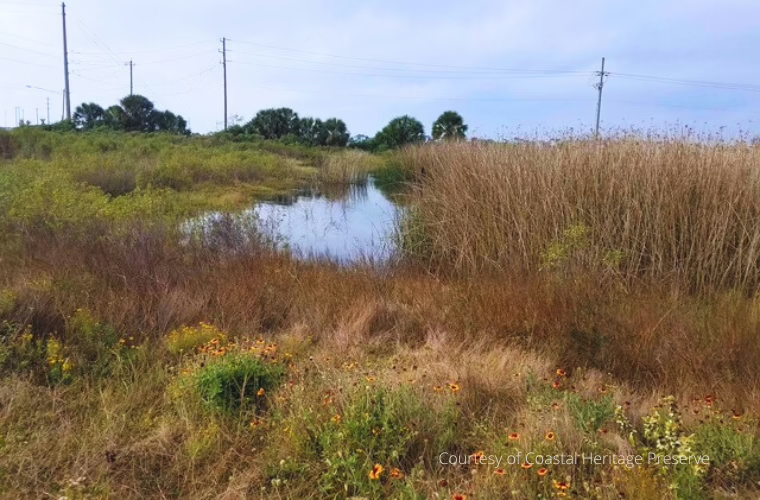
Chapter Meeting: Incorporating North American Tall Grasses into Your Yard
January 13 — Adam Lawrence’s talk will focus on North American tall grasses and how you can incorporate them into your home landscape.
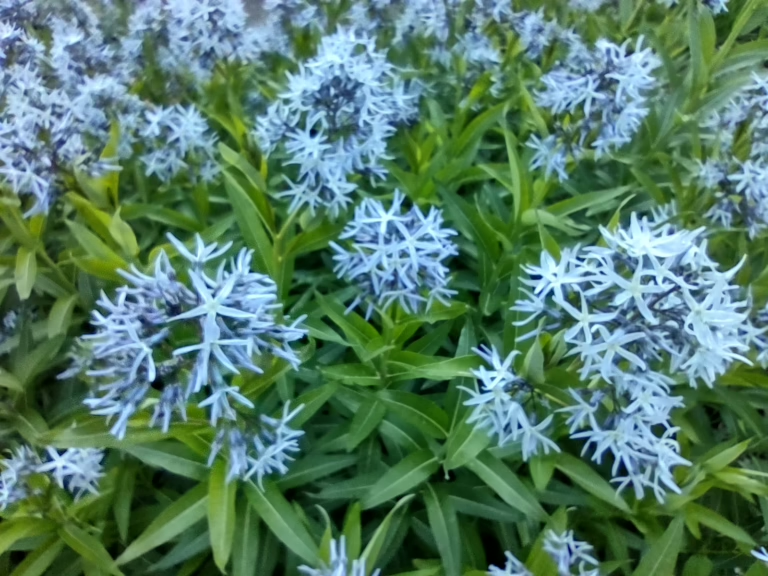
A Step-by-Step Guide to a Thriving Native Texas Landscape
Any time is a great time to plan and add native plants to your landscape. But the New Year adds a symbolic element of renewal, and winter is the perfect season to prepare for planting. For North Texans, the diversity of our native plants provides plentiful options for building a beautiful home landscape.
Reminder – No January Chapter meeting
Our next chapter meeting will be on Tuesday, February 4th. The meeting will be virtual only via Zoom. We will not hold an in-person gathering at the Heard Museum in February, so please plan to join us online.
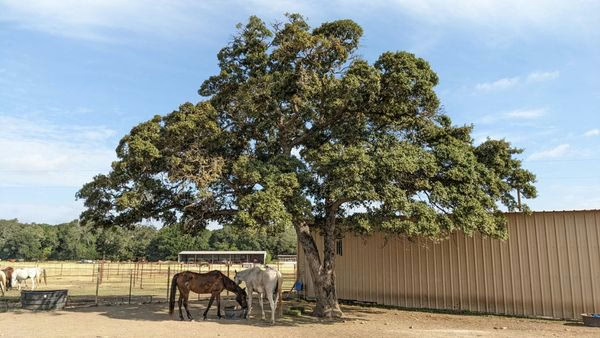
Stressed Out: A Look at Tree Health in San Antonio and How to Strengthen Our Urban Landscape
January 2025 Presentation by Michael Nentwich. Stressed Out: A Look at Tree Health in San Antonio and How to Strengthen Our Urban Landscape. Join us for a discussion about the stresses on our urban forest in San Antonio with Bexar Branches Alliance President Michael Nentwich. Is it the extreme heat
Second Saturday Volunteer Opportunity
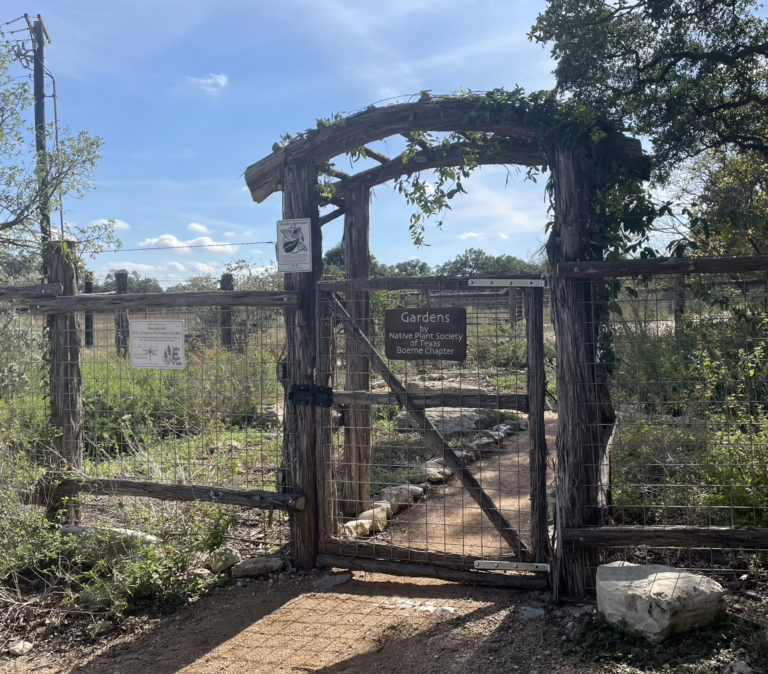
Join us on Saturday, February 8 for our Second Saturday workday at the Cibolo Nature Center Demonstration Gardens! Generally every second Saturday of the month from 9:00 to 12:00 is our monthly workday in the demonstration gardens. Typical activities include planting, weeding, nurturing, mulching, caging, etc. Bring your favorite garden
No-Freeze Trees
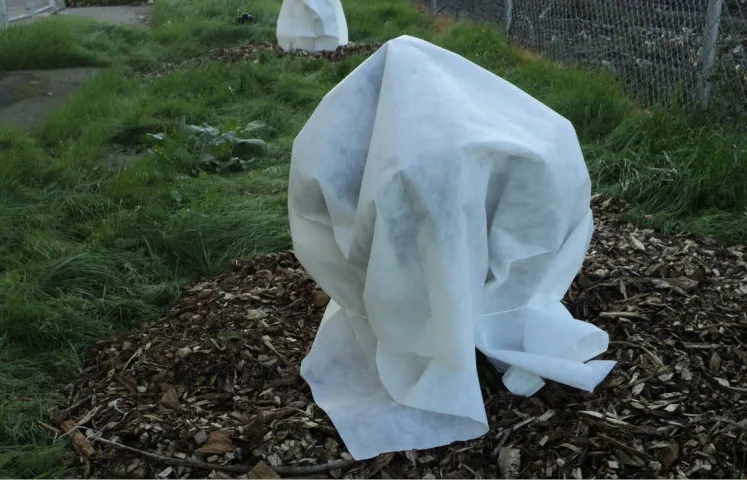
Are your trees ready for winter? While most established native trees have developed natural mechanisms to tolerate cold, young and newly-planted trees may need some protection, according to Mac Martin, a Texas A&M Forest Service Urban Forester. Here are some tips to help your trees survive the cold this season:
Boerne Chapter Meeting, Tuesday, January 7
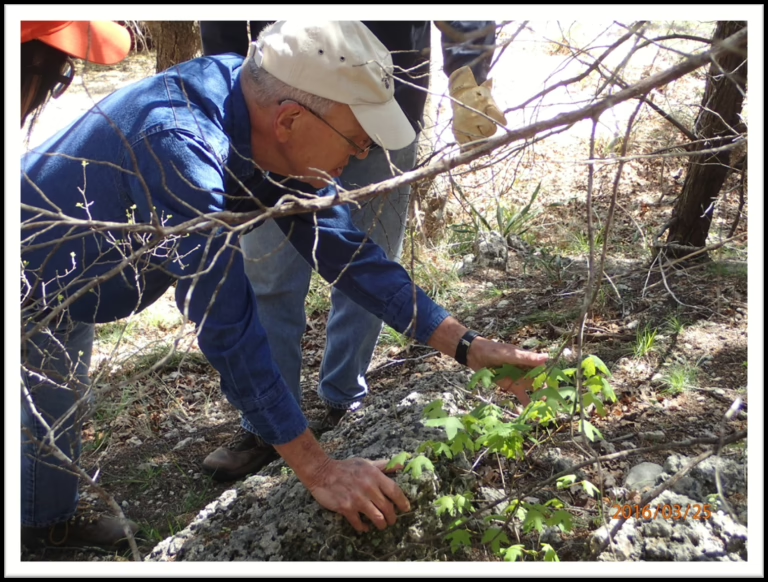
Join us to learn more about what deciduous trees are doing in Central Texas. Our speaker, O. W. (“Bill”) Van Auken, Ph.D., is a Professor Emeritus in Integrative Biology at the UTSA College of Sciences. He holds a Ph.d. in Physiology, and M.S. in Zoology, both from the University of
