

Native Plant Spring Symposium, 2022 (Online)
**ARCHIVED POST ** Online | Saturday, March 5, 2022 | 8:45 a.m. – 3:30 p.m. DISCOUNT NPSOT and LBJWC members receive a discount! Not a member? Join NPSOT About the Symposium Please join us at the 2022 NPSOT Spring Symposium. Held in partnership with the LadyBird Johnson Wildflower Center, the 2022
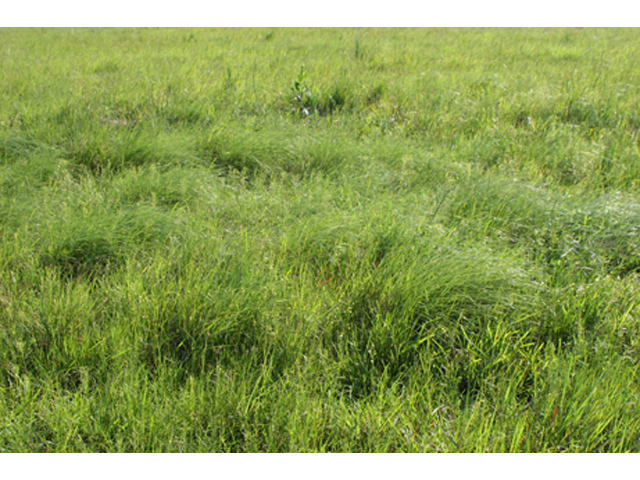
Protecting our Native Texas Prairies
It is Time to Safeguard our Unique, Quirky Flora and Fauna “Prairies are like people. Each one has similar characteristics, but each one is also unique as a snowflake. When we spend time on different prairies, we discover they all have their own quirks, Individuality, and charm.” Cindy Crosby, “The
Chapter Meeting February 8, 2022 – I’m Being Invaded! – What Can I Do?
**ARCHIVED POST ** Join us on Tuesday February 8th at 2 pm for a Zoom presentation by Deedy Wright on invasive plants – I’m Being Invaded! – What Can I Do? Have you noticed a lot of non-native plants growing rampantly in your neighborhood? Want to learn what to do
Spring 2022 landscaping classes announced
The Native Plant Society of Texas is offering 15 classes in Spring 2022 in its popular Native Landscape Certification Program.

2021 Scholarship Recipients
$2,500 Dr. Alfred Richardson Scholarship Brand Richter studies at the University of North Texas in Denton, where he majors in Geography with a concentration in Environmental Studies. He has worked with native plants since shortly after graduating high school and took the NLCP courses with the Trinity Forks Chapter. Brand
January 2022 Chapter Newsletter
**ARCHIVED POST ** Natives on the Grow – the chapter’s newsletter was emailed to members and is also available to read here – NativesOnTheGrow_January 2022 Test your plant identification skills with our Basal Rosette Game! **ARCHIVED POST** **ARCHIVED POST LINKS & PICTURES MAY NOT WORK** **ARCHIVED POST AUTHOR: beckyleal
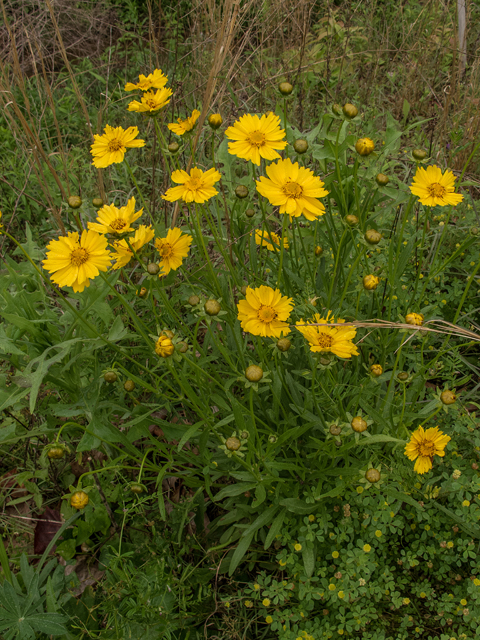
Lanceleaf Coreopsis – Perennial with Sunny Yellow Flowers
Spring 2022 – NICE Plant of the Season Written by Dr. Becca Dickstein Description: Lanceleaf Coreopsis, Coreopsis lanceolate, takes both its common and Latin names from its lance-like leaves. Its opposite 3-4 inch leaves are deeply cut, appearing almost like separate leaflets. It grows to about 1 ft tall, with
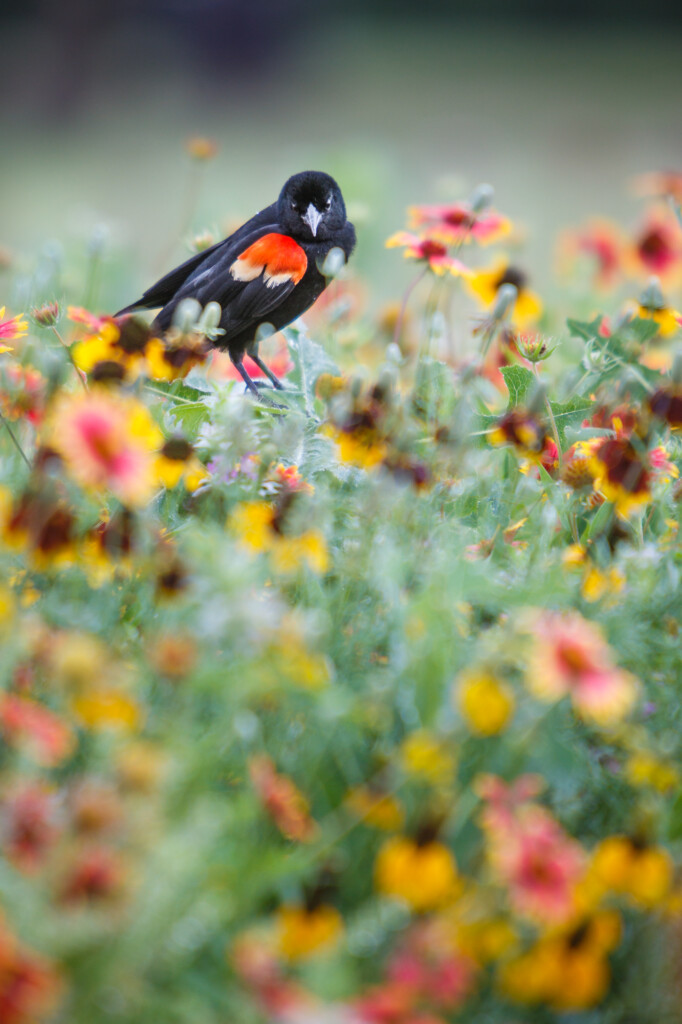
Native Plants in the Spotlight
Our Disappearing Native Blackland Prairies All North Texas native plant enthusiasts have to be pleased when the media spotlight focuses on a topic of great importance to us. The Dallas Morning News recently published an article on “North America’s most endangered ecoregion is in North Texas’ backyard. Here’s what you
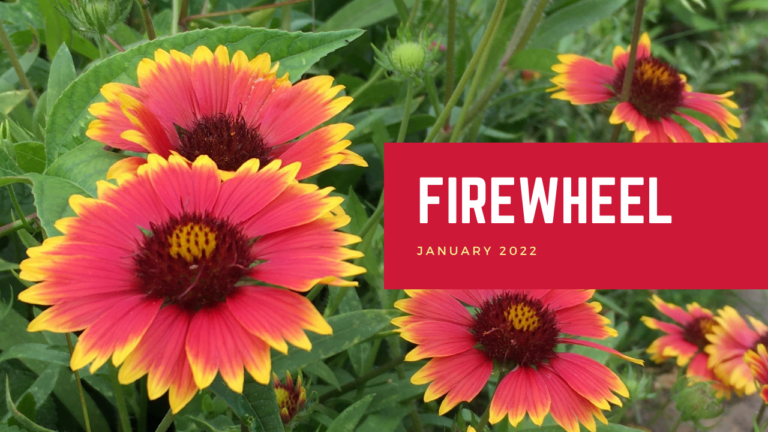
Plant of the Month: Firewheel
January 2022 Plant of the Month
Botanical name: Gaillardia pulchella
Common name(s): Firewheel, Blanket Flower, Indian Blanket

Chapter Meeting: Nutritional Ecology of Honey Bees in a Changing Landscape
**ARCHIVED POST ** Dr. Juliana Rangel will first cover basic information about the building blocks of honey bee nutrition, and then go into her work using the geometric framework for nutritional ecology. We finish by testing our results on the preferred macronutrient ratio by bees when colonies are infected with
New Xeric Landscape for Van Horn
**ARCHIVED POST ** [From Phyllis Kennedy] A landscape project funded by Culberson County as an ongoing effort to improve Van Horn’s public spaces commenced in mid-November. Nine one-gallon container size Lynn’s Legacy Cenizo (Leucophyllum langmaniae) were planted in the space between the sidewalk and the parking lot of a steel
