

Recovering America’s Wildlife Act: Sample letters for contacting your representative
The Recovering America’s Wildlife Act would be the most significant wildlife funding legislation passed in over a generation
November 9, 2021 Chapter Meeting – “Fall is Tree Planting Time – Get Your Tree off on the Right Roots”
**ARCHIVED POST ** If you are planting your first tree or your 200th, join us at 2pm, Tuesday, November 9, (in person or online) to hear arborist David Vaughan explain the proper way to plant a tree. Are you digging a shallow hole, planting high, not staking? Knowledge of proper
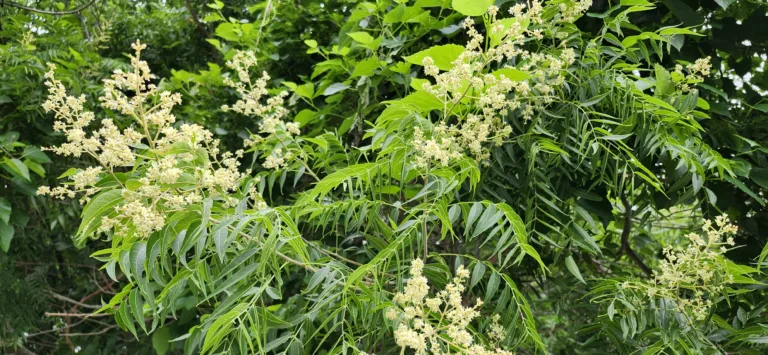
Native Texas Plants and Water Conservation
A sidebar to our earlier article on bottomland hardwood forests. Long-time chapter member John Lingenfelder sent us a note about the potential for a vast amount of bottomland hardwood forests in east Texas to be inundated as part of a new reservoir. John is a member of the Texas Water Board
Reminder – Madera Canyon Trail Hike – Sunday, November 14, 2021
**ARCHIVED POST ** [from Phyllis Kennedy] Sunday morning, November 14th, 2021 is the Madera Canyon Trail hike and picnic. There will be several knowledgeable botanists along, so the hike should be an educational and fun experience. Due to trail capacity, however, the hike will be limited to members only, of
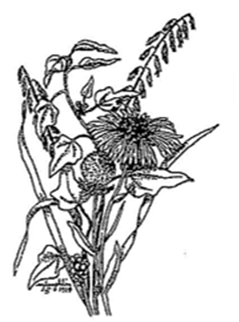
The Coneflower Courier Reemerges
As Valerie referenced in the August 2021 newsletter, we now have our chapter newsletters from January 1994 – February 2001 on the website. Betsy Farris, former NPSOT Collin County Chapter president and long-time member, was kind enough (and very organized) to provide us with these newsletters that were originally in
Madera Canyon Trail Hike – Sunday, November 14, 2021
**ARCHIVED POST ** Sunday, November 14th, 2021 is the Madera Canyon Trail hike and picnic, which will be for members only, as trail capacity is limited. An email with details will be sent to all members the weekend of October 30/31. Here is a little “background” information on the history
October 26 – Nature Journaling Club @ RNC 3-5 pm
**ARCHIVED POST ** Nature journaling is all about documenting your observations of the natural world. No drawing skills are required although they will get better with practice. It is what you want it to be; citizen science, art, creative writing, or more. And it can be all of the above.
Bexar Roots October 2021
**ARCHIVED POST ** from 2021-10-20 Click Here **ARCHIVED POST** **ARCHIVED POST LINKS & PICTURES MAY NOT WORK** **ARCHIVED POST AUTHOR: aawalt **
Celebrate Texas Native Plant Week 2021
**ARCHIVED POST ** Texas Native Plant Week 2021 Since 2009 the Texas legislature has designated the third full week in October as Texas Native Plant Week. This year, that week is October 17 – October 23, 2021. Members of the Native Plant Society of Texas were instrumental in establishing the
Contest winners announced
Winners of the 2021 members contests were announced during the Annual Awards Presentation on October 9, which was conducted over Zoom and YouTube Live.
Butterflies: Plant it and They Will Come!
**ARCHIVED POST ** from 2021-10-13 October 26, 2921 7:00 pm – Meeting and program Butterflies: Plant it and They Will Come! Do you want to attract more pollinators to your yard? Just a couple small changes to what you are growing can make a big impact. Plant Passionvine, and you’ll
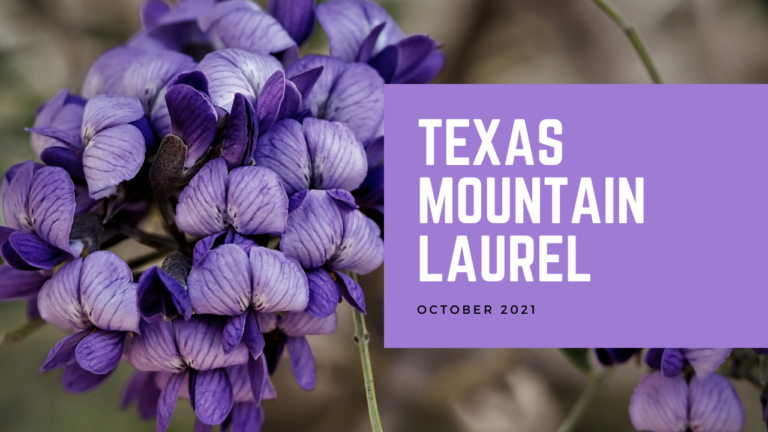
Plant of the Month: Texas Mountain Laurel
October 2021 Plant of the Month
Botanical name: Dermatophyllum secundiflorum
Common names: Texas Mountain Laurel, Mountain Laurel, Mescal Bean, Frijolillo, Frijolito
