

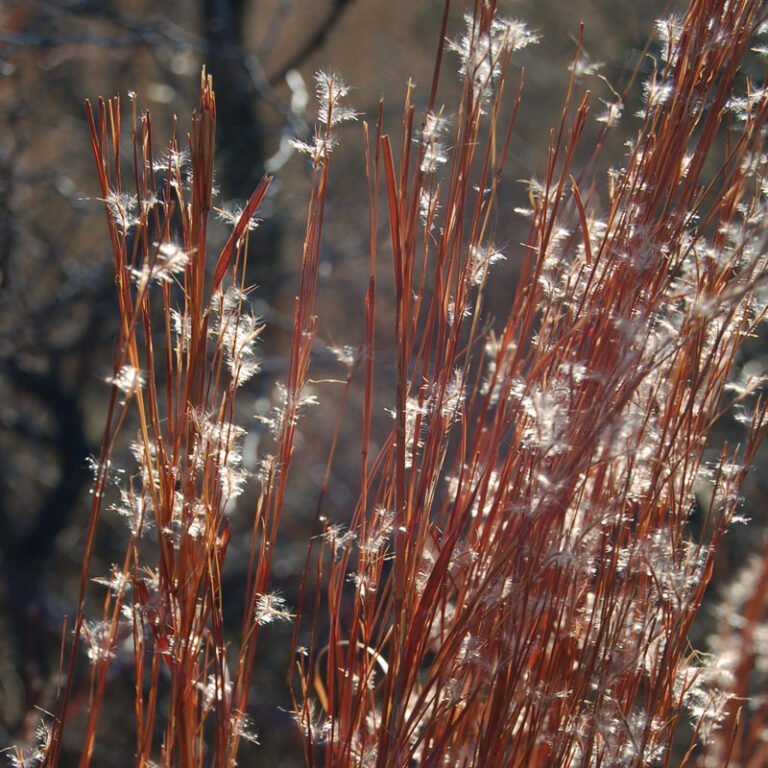
9 Tips for Native Plant Seed Gathering, Storing, and Sowing
Eventually, in the journey of most native Texas plant enthusiasts is interest in collecting, saving, and sowing seeds. The reasons are many – economical, rewarding, and helping the ecosystem are just a few.
October 2021 Newsletter
**ARCHIVED POST ** OCTOBER NEWSLETTER FALL PLANT SALE OCTOBER 16, 9 a.m. – 2 p.m. Back demonstration garden Glen Rose Courthouse Square It’s time for our fall plant sale! Fall is the best time in Texas to plant perennials, shrubs and trees, so we hope
Reminder: Lights Out Texas Alert!
**ARCHIVED POST ** [from Karen Little] The peak fall bird migration period is September 5 – October 29. Help protect our feathered friends by turning out all non-essential lights outside and inside from 11 pm – 6 am every night during this time. Every night and each light turned out
Wildscape workshop and native plant sale
Houston Chapter’s annual Wildscapes Workshop will be online again in late September & early October. Four presentations over four evenings with an online plant & book sale.
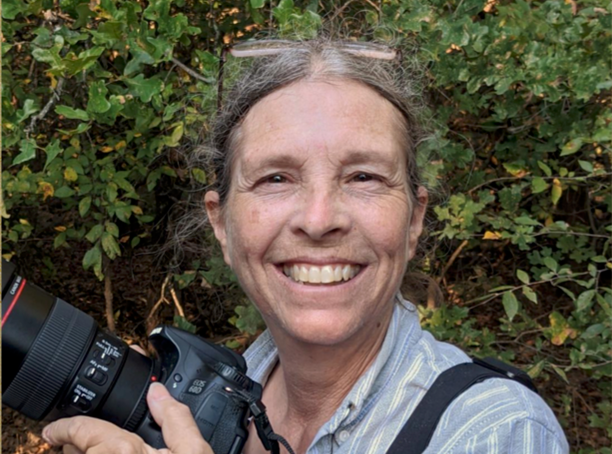
Congratulations to Carol Clark – 2021 President’s Award Winner
The Native Plant Society of Texas (NPSOT) recently announced its recognition awards for 2021. Annually the NPSOT recognizes organizations and individuals that advance our mission. The recognitions include the President’s Award, given at the discretion of the society president. One of the award’s winners was the Collin County Chapter’s very
Bexar Roots September 2021
**ARCHIVED POST ** from 2021-09-17 Click Here **ARCHIVED POST** **ARCHIVED POST LINKS & PICTURES MAY NOT WORK** **ARCHIVED POST AUTHOR: aawalt **
September 2021 Chapter Meeting – “The What, Why and How of Gardening for Wildlife at Home”
**ARCHIVED POST ** Next Chapter meeting Tuesday September 14, 2021 (ZOOM only) “The What, Why and How of Gardening for Wildlife at Home” Lauren Simpson, a Houston law professor and gardener, was the speaker at our NPSOT meeting on September 14 at 2 pm. The topic of her presentation was
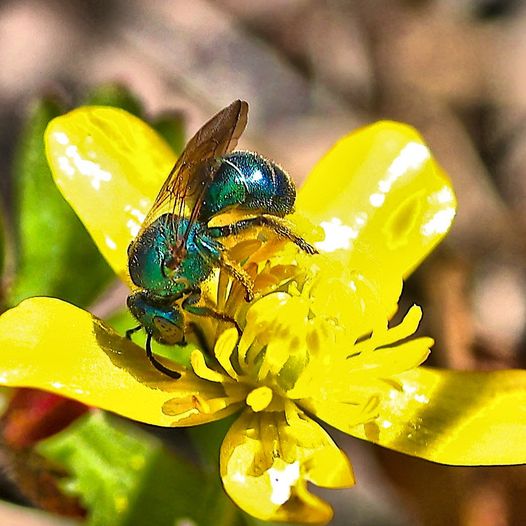
Texas Native Bee Co-op – Come for the Pictures, Stay for the Information
As a follow-up to our earlier article on native bees, we would be remiss if we did not point out a great resource – the Texas Native Bee Co-op. The Co-op is an effort to promote the conservation, promotion, and management of native bees.
Best Practices in Invasive Species Control in Central Texas
**ARCHIVED POST ** from 2021-09-11 7:00 pm – Meeting and program Best Practices in Invasive Species Control in Central Texas Invasive species threaten the persistence of native species, ecosystem health, and the services ecosystems provide humans. Efforts to define invasive species, grapple with the nature of their existence, and control
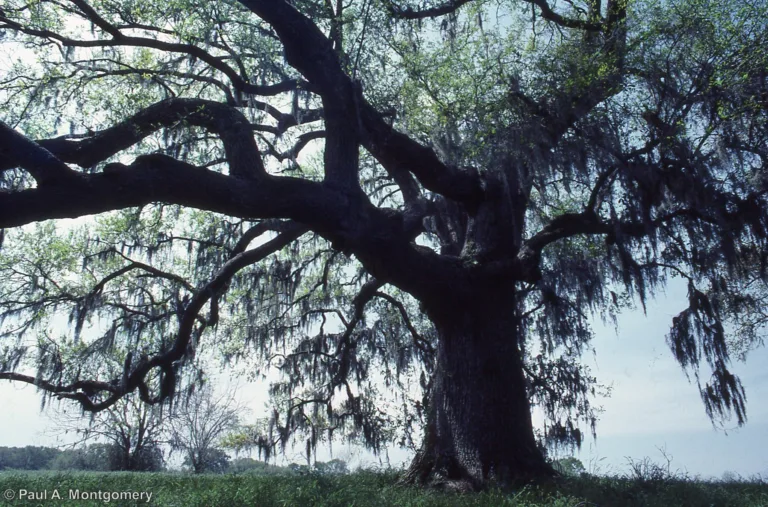
Annual awards for 2021 announced
Our annual awards for 2021 honor extraordinary people from all over Texas who have done amazing things that in some way, shape, or form champion our mission
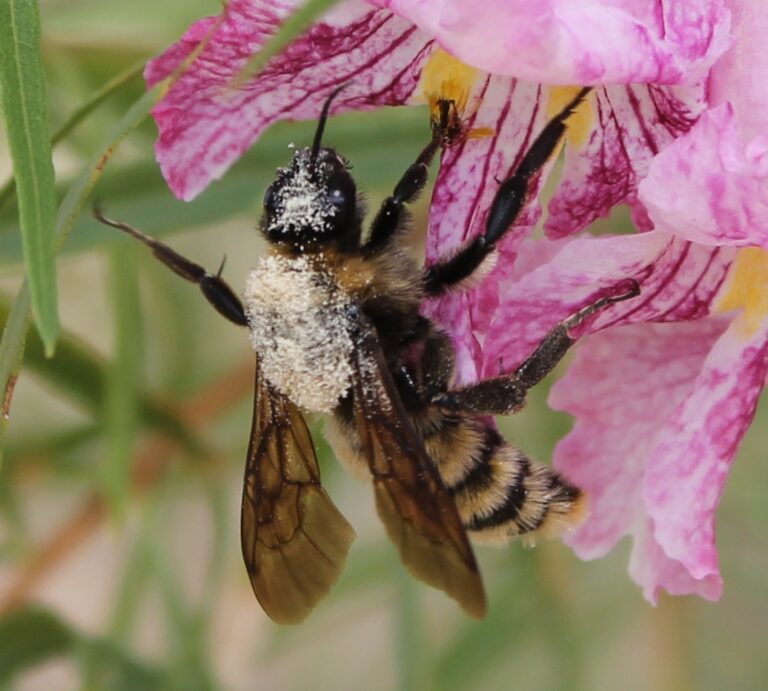
Texas Native Bees and their Native Plant Partners
While our native bees are of tough stock, their survival depends on the availability of native plants. Unfortunately, their numbers are in decline, and loss of native habitat is a major contributing factor.
Lights Out, Texas! Peak bird migration from September 5 – October 29
**ARCHIVED POST ** [from Karen Little; flyer by texanbynature.org/lightsouttexas/] Please click on image below for details of the Lights Out campaign to protect birds in migration this fall, or view or download the PDF file. **ARCHIVED POST** **ARCHIVED POST LINKS & PICTURES MAY NOT WORK** **ARCHIVED POST AUTHOR: billarmstrong
