Dallas Chapter

NPSOT Dallas February 19, 2024 meeting with Adam Black: Neglected Priorities of the Plant Conservation World

February 19, 2024 Dallas Chapter, NPSOT meeting with Adam Black.
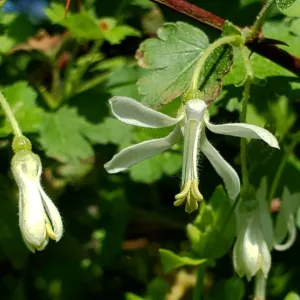
Ribes curvatum, Granite Gooseberry
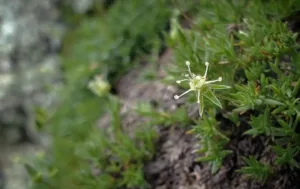
Arenaria livermorensis, Livermore Sandwort

Plant conservationists often tend to focus on glamorous species like intriguing carnivorous plants, showy rare orchids and other flashy wildflowers while almost completely ignoring the many scrawny, inconspicuous, yet ecologically important components of our floral diversity. Learning to value the subtle beauty of these ungainly low-key species and their critical role in their ecosystem can hopefully generate greater support of these aesthetically unexceptional plants in need of help.
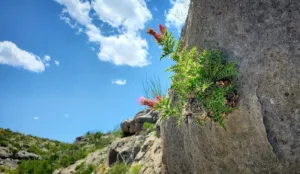
Cirsium turneri, Cliff Thistle

Adam Black is currently the Director of Horticulture and Plant Conservation at Bartlett Tree Research Laboratories and Arboretum in Charlotte, NC. A former Texas resident, he remains very active with collaborative ex-situ conservation of the state’s many imperiled plant species. In addition to extensive familiarity of the southern US flora, he has been involved in field work and plant explorations in New Caledonia, Taiwan, The Philippines, South Africa and beyond.
About the Region

Fall Symposium 2025 Logo - Teach for the Future

Salado, the location of our Fall 2025 Symposium, lies at the intersection of two ecoregions: the Edwards Plateau (Limestone Cut Plain) and Blackland Prairie (Northern Blackland Prairie).

The Edwards Plateau area is also called the Hill Country; however, this general term covers a much larger area extending farther north. Spring-fed creeks are found throughout the region; deep limestone canyons, rivers, and lakes (reservoirs) are common. Ashe juniper is perhaps the most common woody species found throughout the region. Additional woody species include various species of oak, with live oak (Quercus fusiformis) being the most common. Sycamores (Platanus occidentalis) and bald cypress (Taxodium distichum) border waterways. This area is well known for its spring wildflower displays, though they may be viewed in spring, late summer, and fall, as well. According to Texas Parks and Wildlife, average annual rainfall in the Edwards Plateau ranges from 15 to 34 inches.

The Blackland Prairie extends from the Red River south to San Antonio, bordered on the west by the Edwards Plateau and the Cross Timbers, and on the east by the Post Oak Savannah. Annual rainfall averages 30 to 40 inches, with higher averages to the east. This region is dominated by prairie species. The most common grass species include little bluestem (Schizachyrium scoparium) and Indian grass (Sorghastrum nutans) in the uplands and switchgrass (Panicum virgatum) in the riparian areas and drainages. Common herbaceous flowering plants include salvias, penstemons, and silphiums. This area has suffered greatly from overgrazing and agricultural use. Few intact areas remain, though many of the plants can be found along county roadsides throughout the region.

Our fall Symposium host chapter, the Tonkawa Chapter, includes both of these ecoregions.

Source: Wildflowers of Texas by Michael Eason