

What is a Weed?
When immersing yourself into the world of North Texas native plants, you will likely frequently run across the term “weed” in the common name. Unfortunately, many people reject these plants outright based on the connotation of weed.
A “Weed” by Any Other Name Would Look as Beautiful
It is a loaded term and one that brings forth many different opinions. While Ralph Waldo Emerson is undoubtedly admired as a writer and a poet, his 19th-century definition of a weed is likely too broad for most 21st-century native gardeners:
“A plant whose virtues have not yet been discovered”
A slightly tighter, but still broad and widely used definition – “A plant in the wrong place” (source unknown) is a better fit and reflective of most native gardeners. It takes into account non-native plants, and native plants that are unwanted in your landscape.
But in the past, the creators of the common names usually did not take this point of view. Often our North Texas native plant names are based on early ranchers’ and farmers’ viewpoint. Typically, their opinion was negative, resulting in many names with the term “weed”. These “weeds” could be harmful or not palatable to livestock or compete with cultivated plants. But the stigma of being named a “weed” often makes new entrants to native gardening hesitate over choosing these plants.
North Texas Native “Weeds”
We have a variety of native plants in North Texas with “weed” in their common name that are quite suitable for native landscapes. One of the first to come to most people’s minds is the Milkweed (Asciepias) genus. However, since there are many articles available that discuss the critical importance of our most famous type of native “weed”, we will not cover it in this article. You can read more about them through the many resources available on our Monarchs and Milkweeds page.
Below is a selection of some of the most desirable native plants for North Texas gardeners that include the term “weed”, and it is no coincidence they have a common thread of hardiness and adaptability:
Yellow Sneezeweed (Helenium amarum)
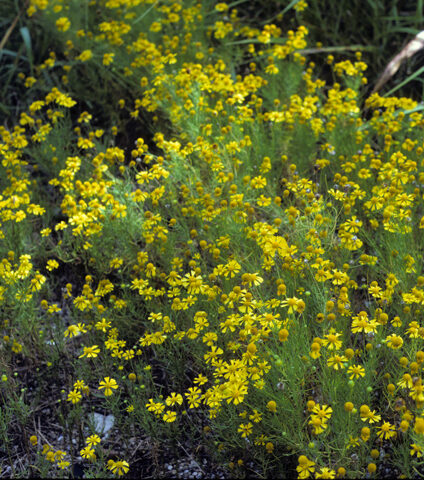
With two less than pleasant-sounding common names, Sneezeweed and Bitterweed, Helenium amarum will not be attracting gardeners with an alluring name. But this annual’s adaptability makes it an attractive option for native landscapes. Partial to some shade, it is at home in a woodland’s edge, prairie, or wild gardens. With narrow thread-like leaves and rising to 1 – 2 feet tall, and flowers resembling daisies, it blooms from mid-summer into fall.
Slender Rosinweed (Silphium gracile)
Having a sunflower-like appearance, this perennial can shine in the sun or slight shade. Siliphium gracile blooms in late summer to fall on tall stems. Because it attracts a variety of native bees and butterflies, it is a great choice for your pollinator garden. The common name derives from the rosin that exudes when the plant is cut.
Frostweed (Verbesina virginica)
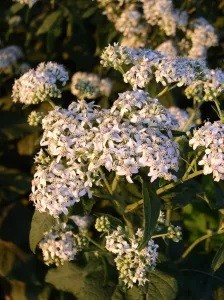
In addition to its unique “ice” displays during the first frost, Frostweed is an exceptional nectar source for butterflies. It entices a wide variety of butterflies, including Pipevines, Monarchs, and Great Purple Hairstreaks. A hardy perennial, Verbesina virginica blooms from August – November with a profuse amount of white flowers. In exchange for the abundance of flowers, it requires shade and plenty of space, as it can grow up to 6 feet tall.
Western Ironweed (Vernonia baldwinii)
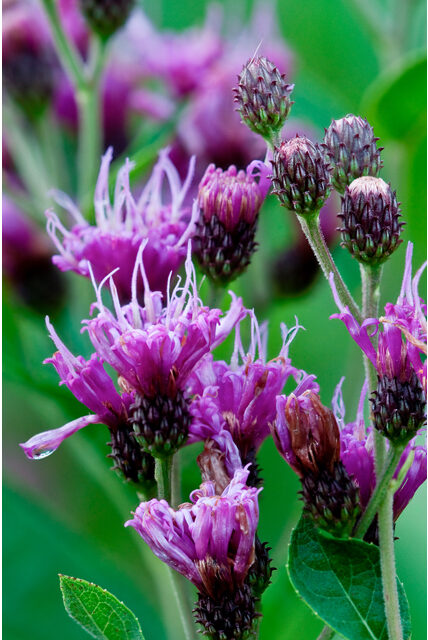
As the name implies, a tough perennial, but paradoxically with beautiful delicate reddish-purple flowers blooming from June – November. They typically grow to 3 – 5 feet, with about 20 – 30 florets per head. Once established, they spread through rhizomes. Vernonia baldwinii provides a rich source of nectar to wildlife and is especially attractive to butterflies. It prefers sun, but will tolerate partial shade, and requires plenty of space to spread.
Discover the Hidden Treasures of North Texas Native Plants
We hope that you will not judge these native plants solely by their common names. Instead, you should explore them further to view them holistically. Take the time to understand and appreciate their adaptability to native landscapes, attractiveness, and ability to help your local ecosystem.
