NICE! Plant of the Month
(Sophora affinis)
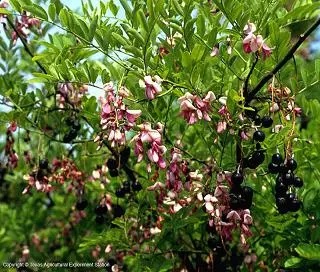
Family: Leguminosae (Legume Family)
Type: Shrub or small tree, relative of Texas Mountain Laurel
Natural Habitat: Central Texas north to Red River
Growth: Slender tree
Preferred Site and Use: Most attractive when given space and sun so it can develop an even, rounded crown. Can also be grown as an understory tree.
Deer Resistance: Foliage often browsed by deer and other wildlife.
Wildlife: Fruit contains a poisonous substance that makes it unappealing to wildlife.
Light Tolerance: Grows in partial shade to full sun.
Flowers: Drooping clusters of delicate light pink to yellowish flowers. If you have a color preference, choose one in bloom. Blooms March to May.
Fruit: Attractive black, leathery pod with 1-8 shiny brown seeds. Pod often remains on tree all winter.
Leaves: Deciduous leaves, up to 8″ long, with 13-17 leaflets.
Soil Requirements: Sand, loam, clay, limestone, well-drained.
Maintenance: Easy to grow in a wide variety of soils, moderately fast growing, drought tolerant.
Planting Instructions: Space plants 10 feet apart. Dig a hole at least two times wider than, but the same depth as the root ball in the nursery container. Sides of the hole should be irregular, not smooth. Remove plant from container, taking care to support the root ball. Loosen exterior roots gently with your fingers. If the plant is root-bound and cannot be loosened by hand, the outer roots may be cut in several places. Lift the plant by the root ball and place into the hole. Backfill hole, using soil that was dug out.. Do not add any soil to the top of the root ball, but a thin layer of compost may be spread over the soil surface. Gently firm the soil with your hands, but do not tamp it down. Place 3-4 inches of mulch over the bare soil around, but not touching the base of the plant.
Watering Instructions: Water deeply after planting to settle soil around roots. Then every 7-10 days, as needed, during the first growing season. Before watering, check for soil moisture at a depth of an inch or two at the edge of the root ball. Skip a watering after a rainfall of ½ to 1 inch. Maintain this watering schedule until the first fall. Reduce watering during the cool fall and winter months. In a “normal” year, no watering may be necessary during the fall and winter, but during a dry period, monthly watering may be needed. Second Spring and thereafter: Water monthly only during periods of drought. Once established, natives will survive with little supplemental irrigation.
NICE! Tip: This is a pleasing ornamental, with delicate flowers in spring and, in winter, the attractive, beadlike seedpods that give the tree its name. This lacey, easy-to-grow tree should be used more often. Since Eve’s Necklace is browsed by deer, caging is strongly recommended.
Look for the NICE! Plant of the Month signs and information sheets on your next visit to a participating Boerne nursery. And thank you for supporting native plants by using them in your landscapes.