

Seeking Volunteers
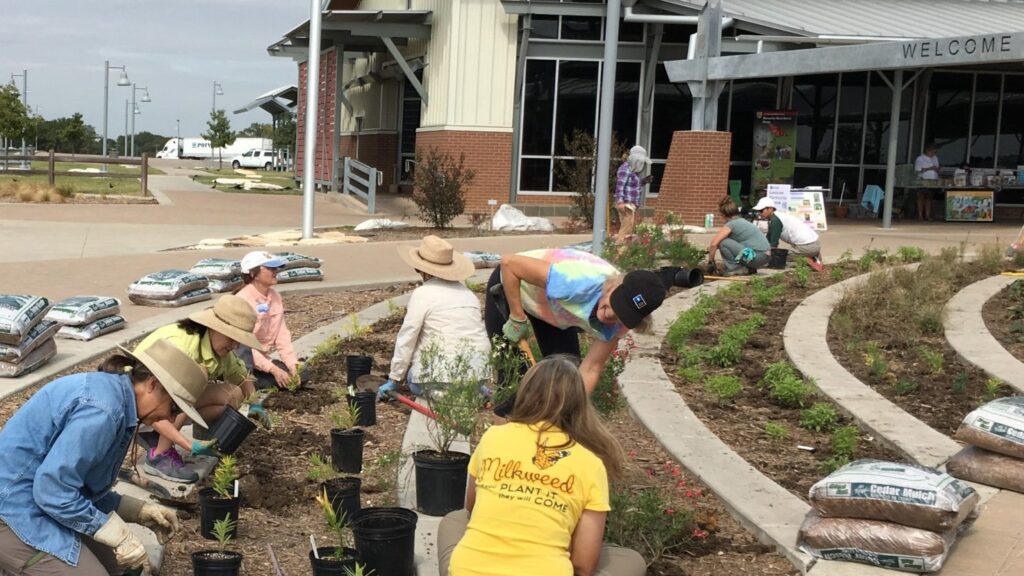
On Saturday February 15 there will be a workday at the Hill County rest area monarch waystations. This effort is part of a NPSOT project to maintain monarch waystations along Interstate 35. These waystations, including those in Hill County, are part of an NPSOT project and receive 5.2 million visitors annually, according to TxDOT.
We will start on the southbound waystation at 9:00 am. Please come and go as your schedule allows. Most of the work will be weeding and pruning. We recommend that you bring the following items if you have them (trash bags and some tools will be provided):
- Gloves
- Hat and Sunscreen
- Knee pads or kneeling pad or towel to kneel on
- Weeding tool, Pruners and Loppers
- 5-gallon bucket
The Hill County Southbound Rest Area is located at Exit 362A on Interstate 35, (about 5 miles south of Hillsboro, near Abbot). Access from Texas Interstate 35 is in the southbound direction only. If you are coming from the south (Waco) go past the rest area and take the first exit and do a U-turn, get back on the interstate going south and take Exit 362A.
The Hill County Northbound Rest Area is located at Exit 362A on Interstate 35, (about 5 miles south of Hillsboro, near Abbot). Access from Texas Interstate 35 is in the northbound direction only. If you are coming from the north (Dallas) go past the rest area and take the second exit and do a U-turn, get back on the interstate going north and take Exit 362A.
The Hill County Rest Area Monarch Waystations workdays are on the third Saturday of the month.
Please email Betsy Farris or Kay Jenkins to be added to the contact list in case there are changes in the schedule or other updates.
