

Signs of Life in the Native Garden
“Blossom by blossom the spring begins” – Algernon Charles Swinburne
If you are like me, as soon as Winter loosens her grip on the landscape, one waits anxiously for the first signs of life in your native garden. Each spring I am always amazed this plant came back or what happened to the (fill-in-the-blank) that was growing here. Or you may have a plant (a.k.a. Goldenrod) spending the entire winter planning and invading the far reaches of your yard, where it is not welcome, like some rogue country’s invading army.
Winter
The spring of 2021, I was worried about certain plants in my landscape. I have “native plants”, but not necessarily to north Texas Blackland Prairie ecoregion. Much to my surprise, I only lost one plant, Gulf Muhly (Muhlenbergia capillaris). But I was really surprised by what I did not lose. I had temperatures as low as -5 degrees and it was below freezing for at least 80+ hours (probably longer). I thought for sure my south Texas plants Agarito (Berberis trifloiolate) and Esperanza (Tecoma stans) would have succumb to winter’s death grip, but they did not. The Agarito did not bloom, and the Esperanza did not start growing until May but did bloom in October. But they did survived despite being little outside their normal range.
Spring’s Arrival
This spring, however, I seem to have more casualties than I was expecting. First off, everything is late this spring, so I might be premature in declaring certain plants extinct from my yard. But it is the end of March and there are no signs of life from my Drummond Phlox (Phlox drummondii), Texas Dandelion (Pyrrhopappus pauciflorus), Green and Antelope-horn Milkweeds (Asclepias viridiflora and A. Asperula) and Texas Bluebonnets (Lupinus texenis). Other plants are coming back, but poorly. My Wild Onions (Allium canadense) only came up strong in one area, while other areas where they did better in previous years, hardly any came up. I lost one bed of Black-eyed Susans (Rudbeckia hirta), but the other bed is just fine. Go figure.
Ups and Downs of Winter
Last Sunday, I was talking to our Vice President, Gailon Brehm, in my backyard about this and Gailon made a good observation comparing the two winters. The 2020-21 winter had a historical cold snap in mid-February, but the rest of the winter was mild and wet. The winter of 2021-22 has been punctuated with cold spells every 7 to 10 days (Ask Gailon or myself how our bird walks have fared – six of our walks since the beginning of January, we froze.). And one other point Gailon made, this winter is very dry.
Some Rain Required
I think the amount of rain is one of the most critical factors in plant survivability. When I looked back at my records for the fall/winter 2020-21, we had 18.3 inches of rain compared to 12.9 for fall/winter 2021-22. This is a little misleading for this year because 7.7 of those inches fell in October/November. We have been extremely dry for the past four months. I think this is the key to the lack of growth among our plants.
The Ultimate Survivors
But this is the beauty of our native plants. They have seen this before and they know how to deal with the weather extremes. They may not grow and bloom this year, but when we get good, soaking rains in a future fall/spring, those dormant seeds and roots lying in the ground will swell and spring to life. That is just what natives do.
Natives Need…Patience
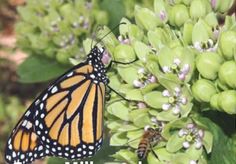
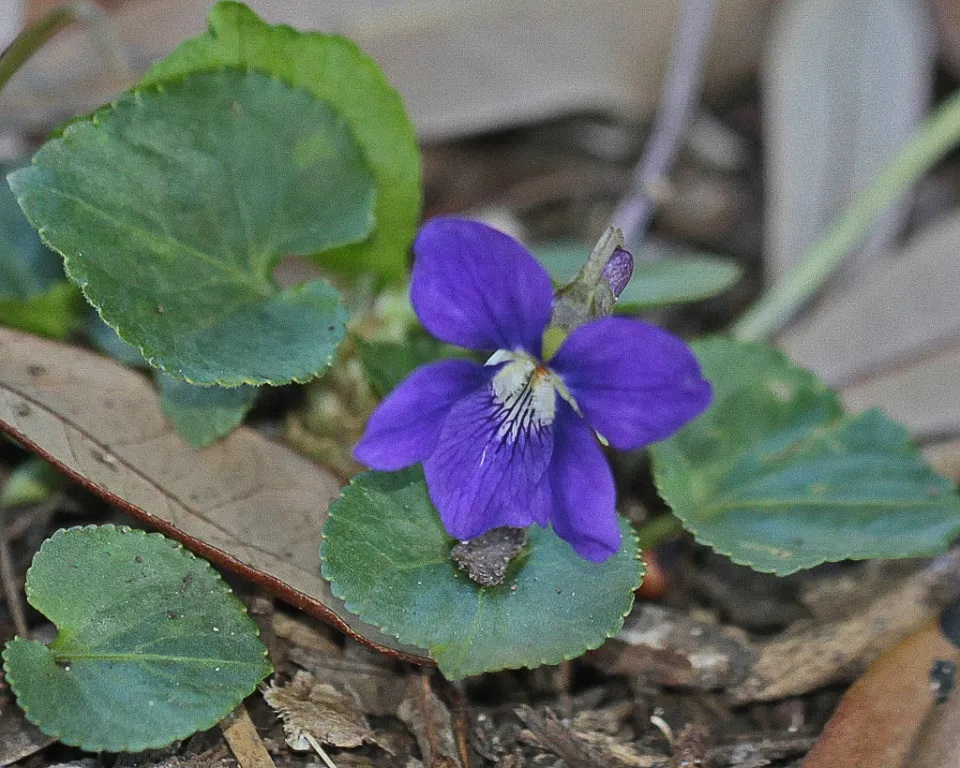
So, the moral to this story is to sit back, be patient and pray for rain. I have sat back and watched, bloom by bloom, the Fragrant Onions, Missouri Violet (Viola missouriensis), Golden Groundsel (Packera aurea), Texas Buckeye (Aesculus glabra var. arguta), and Four-nerve Daisy (Tetraneuris scapose) do their thing. And with these first bloomers, one starts seeing the first pollinators do their thing. In fact, on Sunday, Carol Clark thought she saw a Monarch in my backyard. Keep your eyes open.
P.S. The Agarito is full of blooms today – it does not need much rain.
