Organization: Fredericksburg

Chapter Meeting

March 26 “Invasive Non-Native Plants – and How to Get Rid of Them”

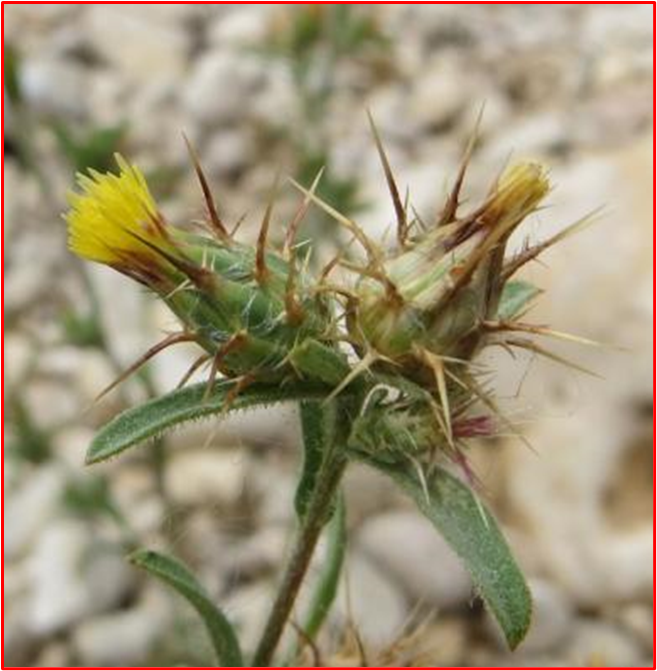
“Non-native, invasive plants are destroying biodiversity and wreaking havoc in our backyards, neighborhoods, parks and preserves,” stated Cheryl Hamilton, How do you recognize them? How do you eradicate them?” Hamilton, our speaker this month and co-founder of the Invaders of Texas Program, Balcones chapter, provides us with the tools.

Chapter Meeting

Feb. 27: “Native Seed Selection and Planting Tips”

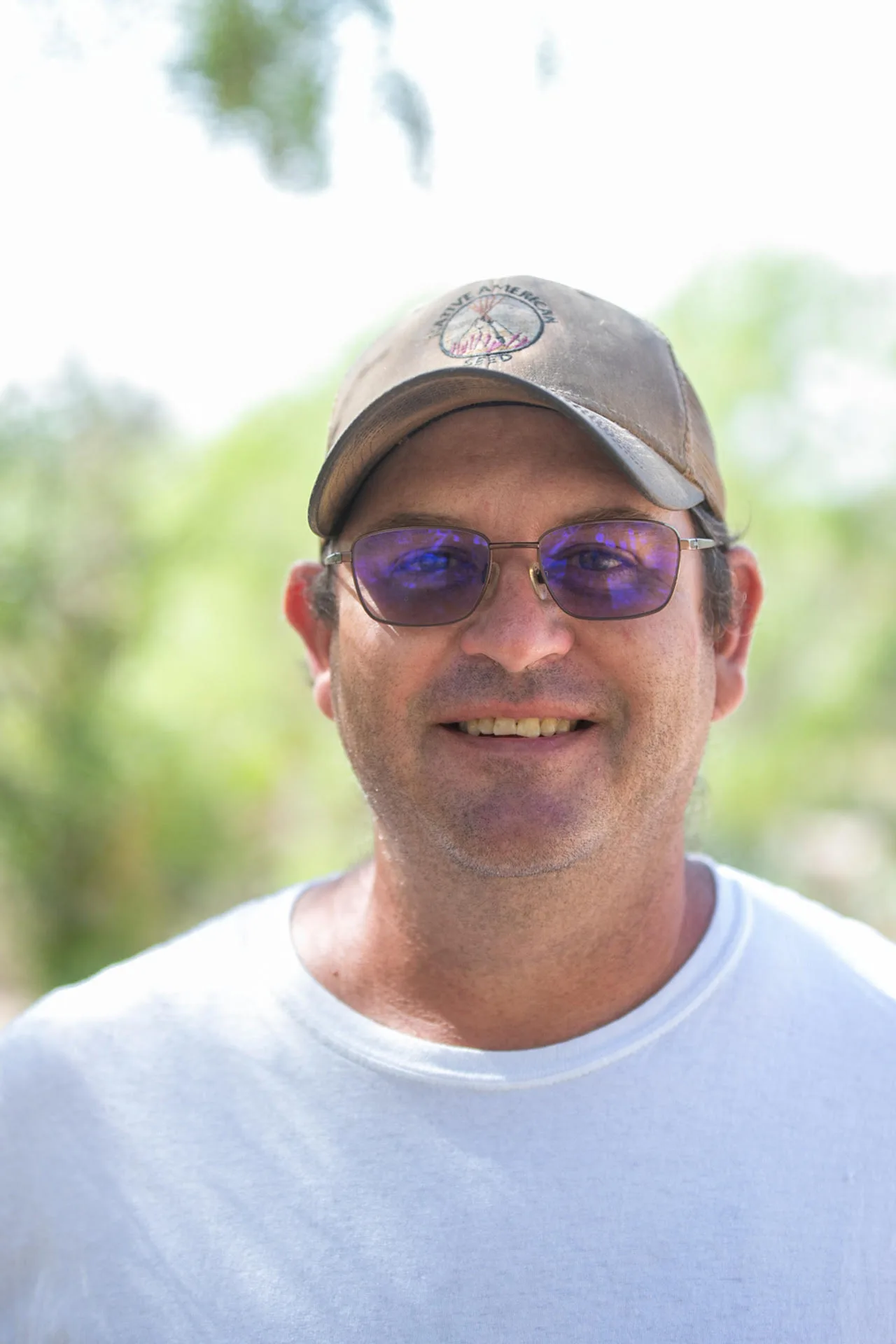
“Reading your land and picking out the right type of native seeds for your particular landscape is just the beginning,” explained George Cates, spokesman for Native American Seed. “Preparing the site and correctly planting the seeds are equally important.

About

Explore the Fredericksburg Nature Center

Catch a vision of how to view the areas of your garden. Through technical difficulties we didn’t manage to create a YouTube video, but we did capture a phone video. Create your own Nature Center with all you can glean from this exploration.

Discover Friends of the Fredericksburg Nature Center

“I’m excited to talk about the Fredericksburg Nature Center and the Friends’ plans to construct an Interpretive Center at the park, which will include a meeting venue, educational programming space, exhibits, expanded native plant gardens, and a children’s play area,” noted Lonnie Childs, the October speaker for the chapter monthly meeting. “The new Interpretive Center will be a center for environmental education with a specific emphasis on children.”

Activity

Join Our Mailing List

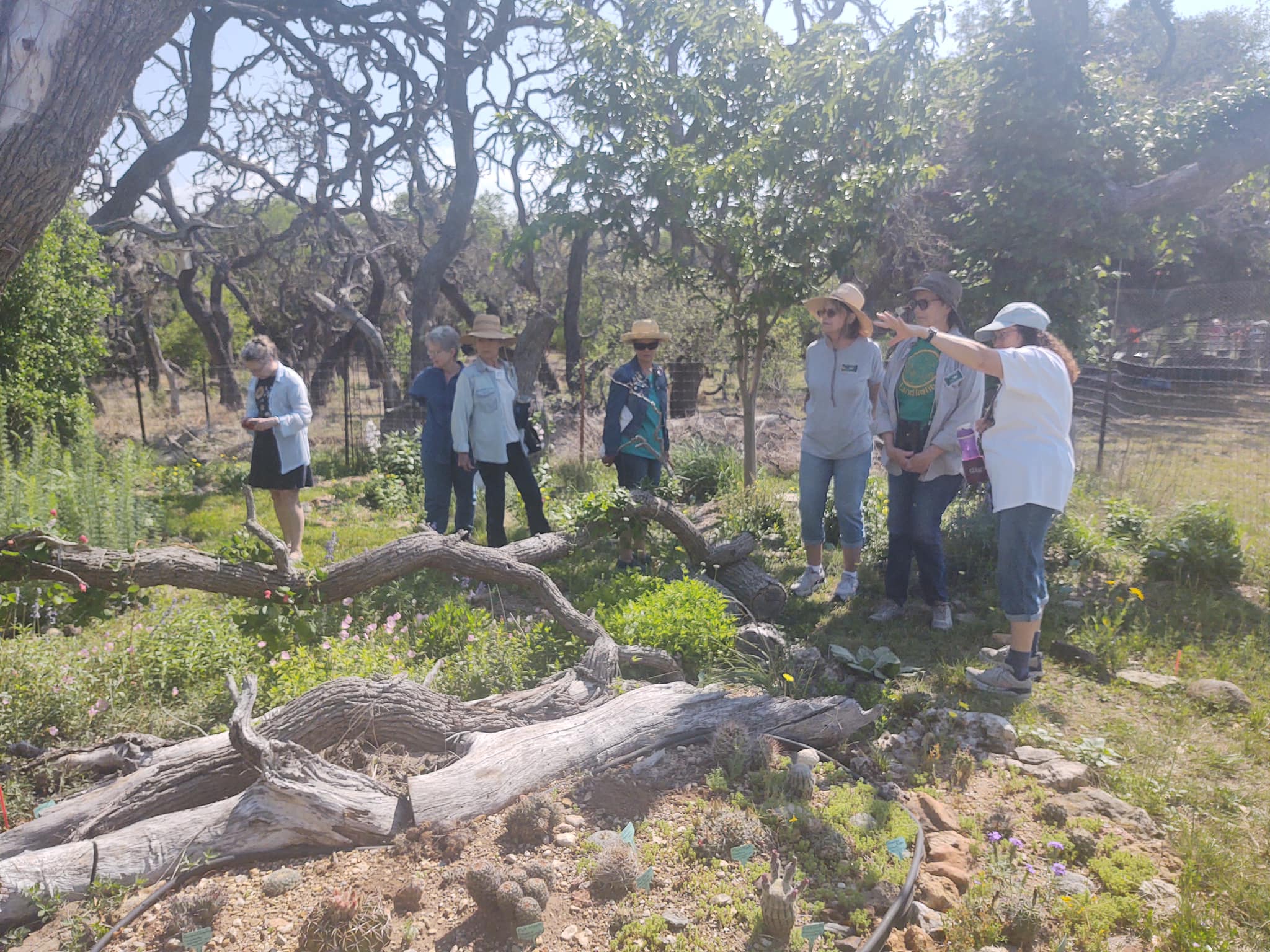
Sandi Kennedy captured a gield trip through Kathy Saucier’s garden. Native plants thrive softening the hardscape of fallen trees.

Chapter Organization

The public is always welcome to our Chapter Meetings and programs Regular public chapter meetings for the Fredericksburg chapter of the Native Plant Society of Texas are the fourth Tuesday

Crossroads of the Eclipses: How Plants and Dark Skies are Connected in the Texas Hill Country

The total solar eclipse’s path of totality passes through the rolling terrain of the Hill Country. “We are excited to have Ms. Davies join us for our June 27 meeting to share her insights on dark skies, the upcoming eclipses, and how plants might be affected,” said Deborah Simmons, President, Fredericksburg Chapter of NPSOT. “We hope the public will come join us to learn more and bring their questions.”

About the Region

Fall Symposium 2025 Logo - Teach for the Future

Salado, the location of our Fall 2025 Symposium, lies at the intersection of two ecoregions: the Edwards Plateau (Limestone Cut Plain) and Blackland Prairie (Northern Blackland Prairie).

The Edwards Plateau area is also called the Hill Country; however, this general term covers a much larger area extending farther north. Spring-fed creeks are found throughout the region; deep limestone canyons, rivers, and lakes (reservoirs) are common. Ashe juniper is perhaps the most common woody species found throughout the region. Additional woody species include various species of oak, with live oak (Quercus fusiformis) being the most common. Sycamores (Platanus occidentalis) and bald cypress (Taxodium distichum) border waterways. This area is well known for its spring wildflower displays, though they may be viewed in spring, late summer, and fall, as well. According to Texas Parks and Wildlife, average annual rainfall in the Edwards Plateau ranges from 15 to 34 inches.

The Blackland Prairie extends from the Red River south to San Antonio, bordered on the west by the Edwards Plateau and the Cross Timbers, and on the east by the Post Oak Savannah. Annual rainfall averages 30 to 40 inches, with higher averages to the east. This region is dominated by prairie species. The most common grass species include little bluestem (Schizachyrium scoparium) and Indian grass (Sorghastrum nutans) in the uplands and switchgrass (Panicum virgatum) in the riparian areas and drainages. Common herbaceous flowering plants include salvias, penstemons, and silphiums. This area has suffered greatly from overgrazing and agricultural use. Few intact areas remain, though many of the plants can be found along county roadsides throughout the region.

Our fall Symposium host chapter, the Tonkawa Chapter, includes both of these ecoregions.

Source: Wildflowers of Texas by Michael Eason